
We thought frozen pipes were something we’d left behind when we moved to Florida, but last month’s arctic blast dropped temperatures into the low 20s for three nights in a row, with an all-time low of 18 degrees — an event locals called once-in-a-century in Northwest Florida.
That was worrying because many Florida homes aren’t built for sustained deep freezes. When water freezes it expands, and that pressure can crack or burst pipes, causing leaks and flooding.
Fortunately, with a few straightforward prevention steps we kept our pipes from freezing. Many of our neighbors weren’t so lucky — several had one or more pipes burst — so we’re very grateful these measures worked. Below are five practical tips that helped us, including a local plumber’s trick that saved our outdoor shower.
Tip 1: Identify Your Problem Pipes
Start by surveying your home to find plumbing most vulnerable to freezing. Prioritizing these areas helps you focus your efforts and monitor the right spots during cold weather. Common trouble areas include:
- Outdoor fixtures like hose bibs and outdoor showers
- Pipes in unheated spaces such as garages, attics, and crawl spaces
- Plumbing running through exterior walls
- Pipes located inside cabinets or closets away from heat sources
- Pipes exposed to wind, for example on docks
- Any uninsulated piping
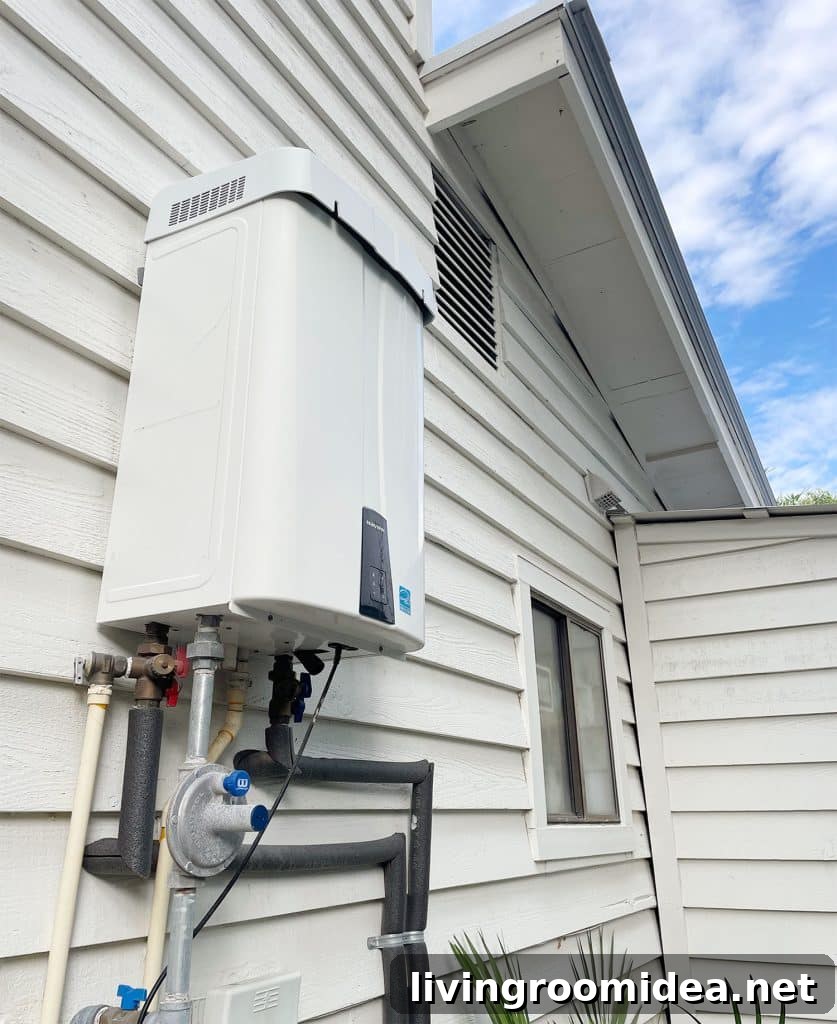
For us the main concerns were exterior systems — our water heater, outdoor shower, and hose bibs. Interior plumbing was less of a worry since we have a whole-house generator to maintain heat, and loss of interior heat is usually what puts indoor pipes at risk.
Tip 2: Add Insulation To Your Pipes
Some exterior pipes were already insulated, but long sections of copper to our outdoor shower were exposed. We bought self-sealing foam tubular pipe insulation and a few fittings. These are inexpensive and simple to install; a 6-foot tube typically costs only a few dollars.
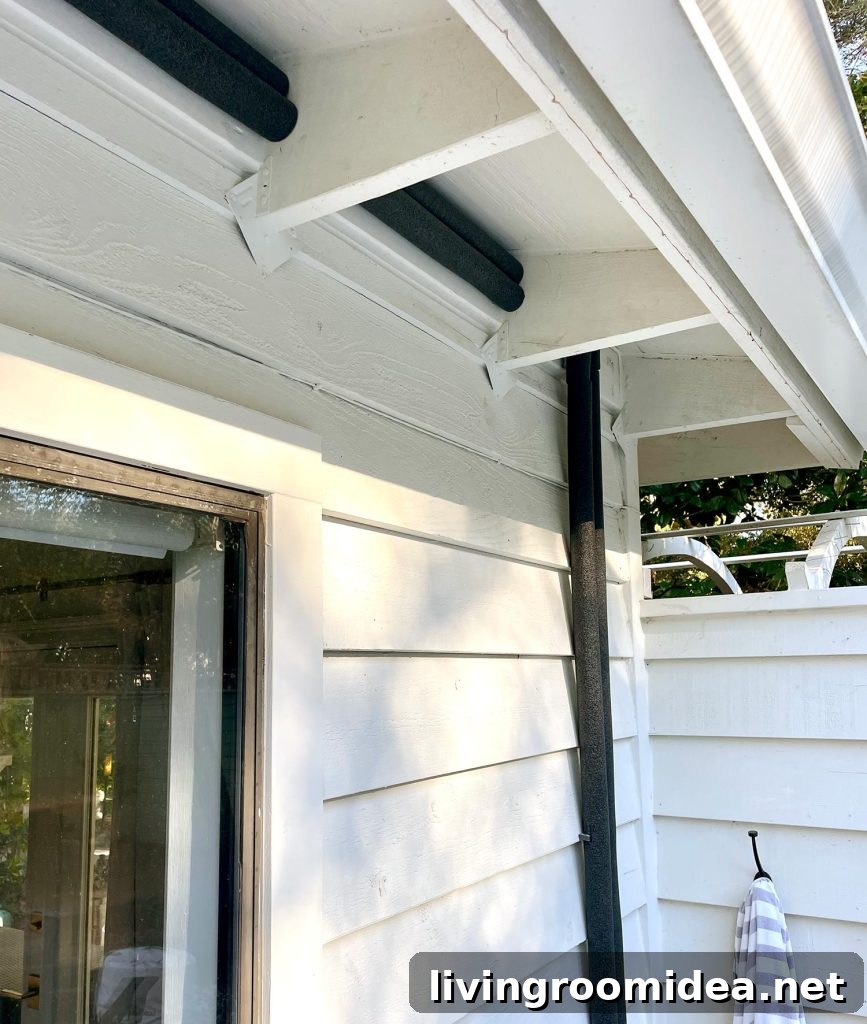
It took about 15 minutes to cover the uninsulated outdoor pipes. For tight spots where full tubes wouldn’t fit, adhesive insulating tape worked well on fittings and hose bibs.
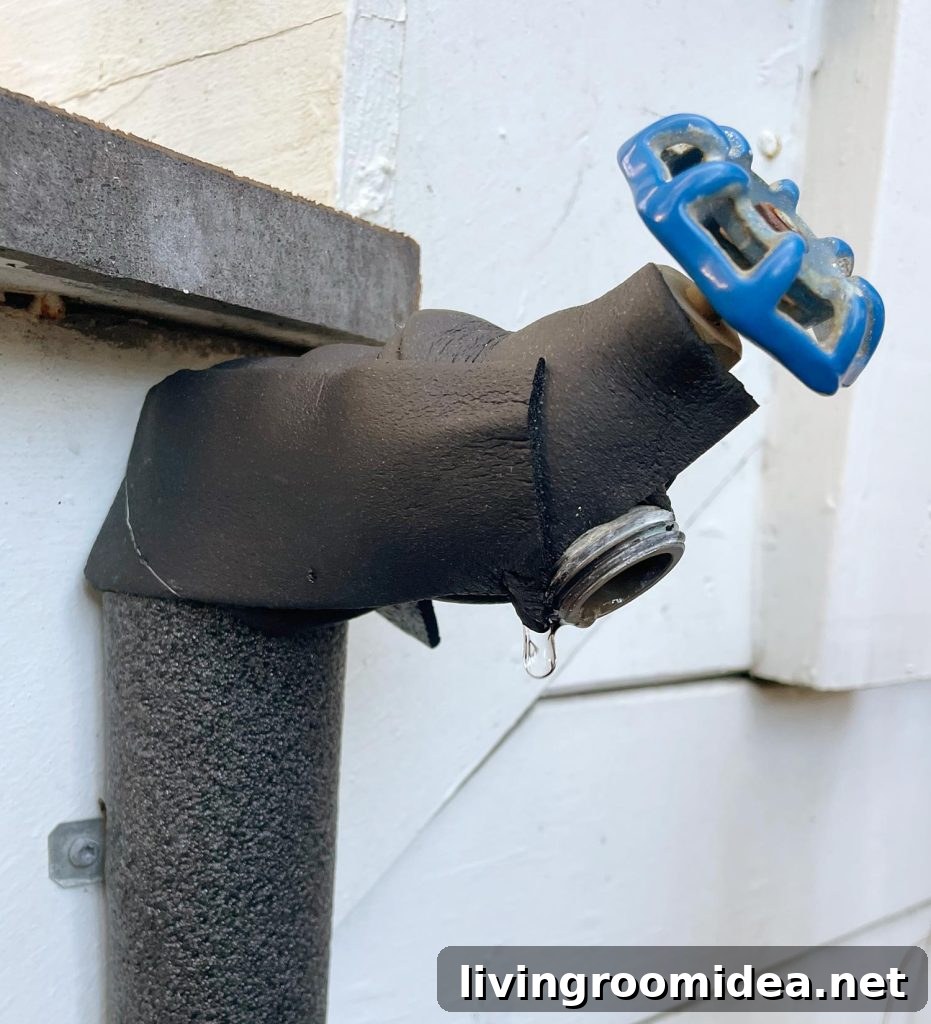
We also checked attic plumbing to ensure insulation covered all pipes. Even indoor pipes located in unheated attics, garages, or basements can freeze, so restoring insulation there is important.
Tip 3: Drip Your Faucets
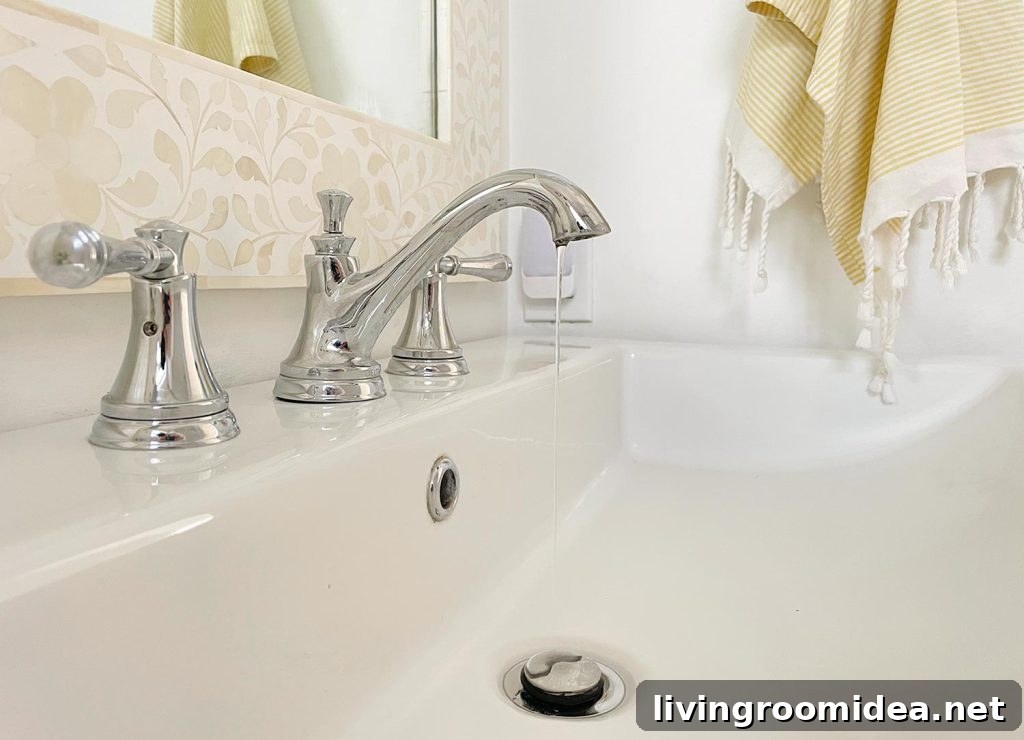
Running water is less likely to freeze, so letting faucets drip a small, steady trickle can prevent frozen pipes. Make sure to let both hot and cold lines drip — only dripping the cold line can allow the hot line to freeze, as some neighbors discovered.
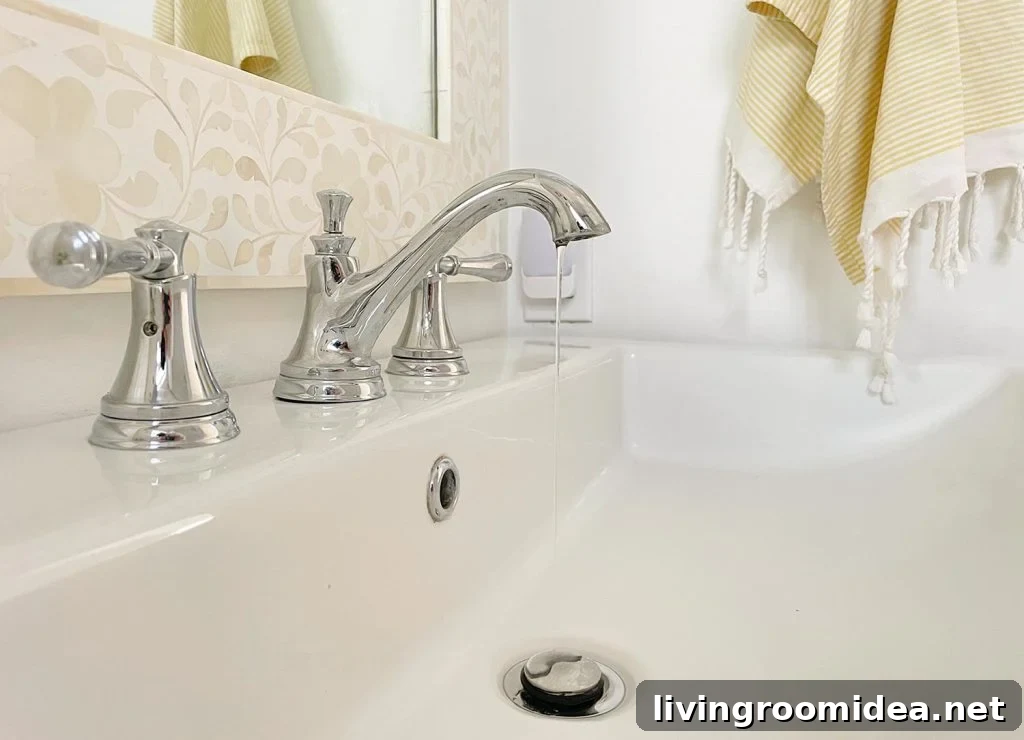
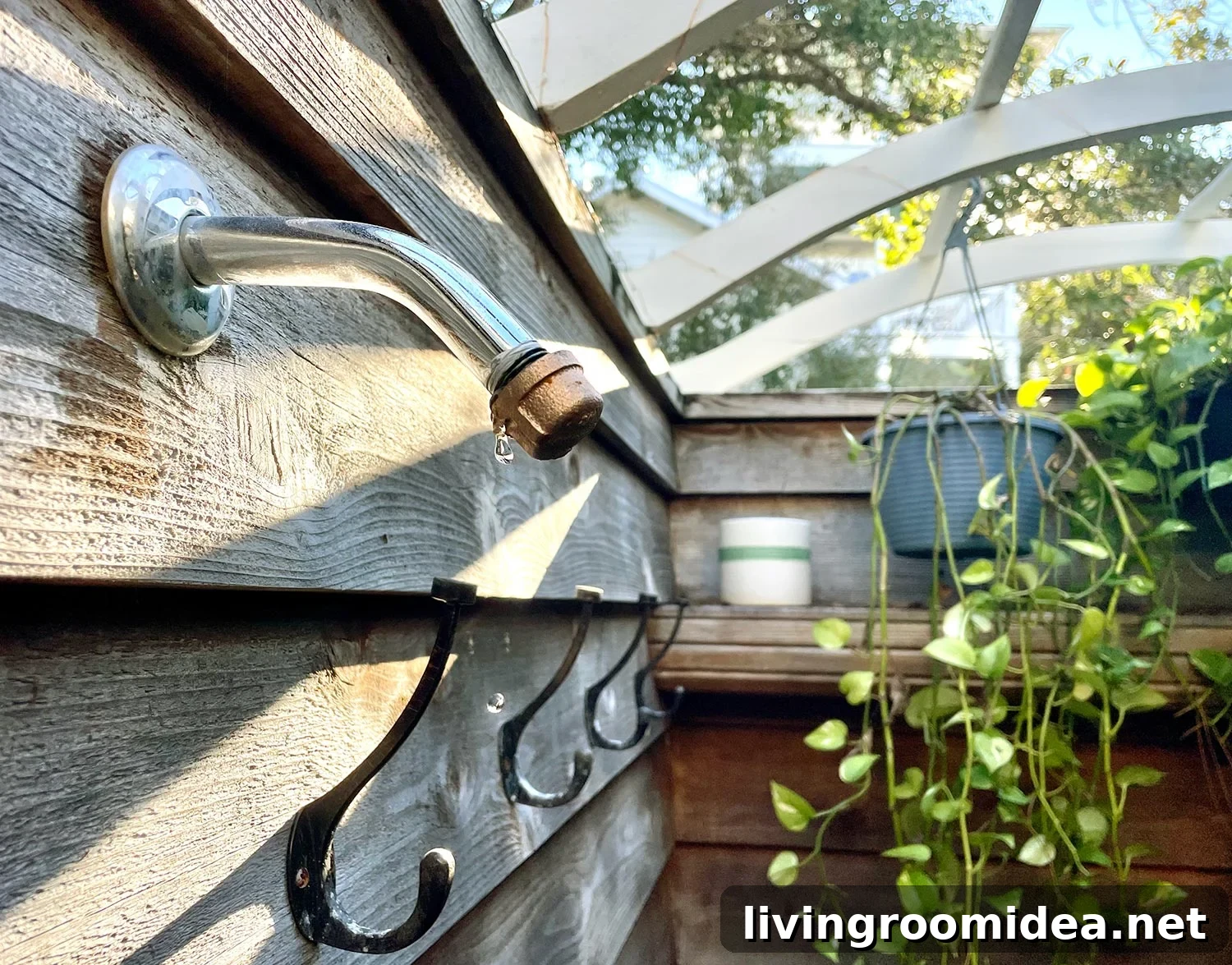
Indoors we set faucets to a slight trickle by partially turning both hot and cold handles. The outdoor shower was more challenging because turning it on fully would spray water constantly. A local plumber suggested removing the showerhead and hand-tightening a cap so a small drip could escape; this allowed the valve to be set between hot and cold so both lines flowed slowly without spraying.
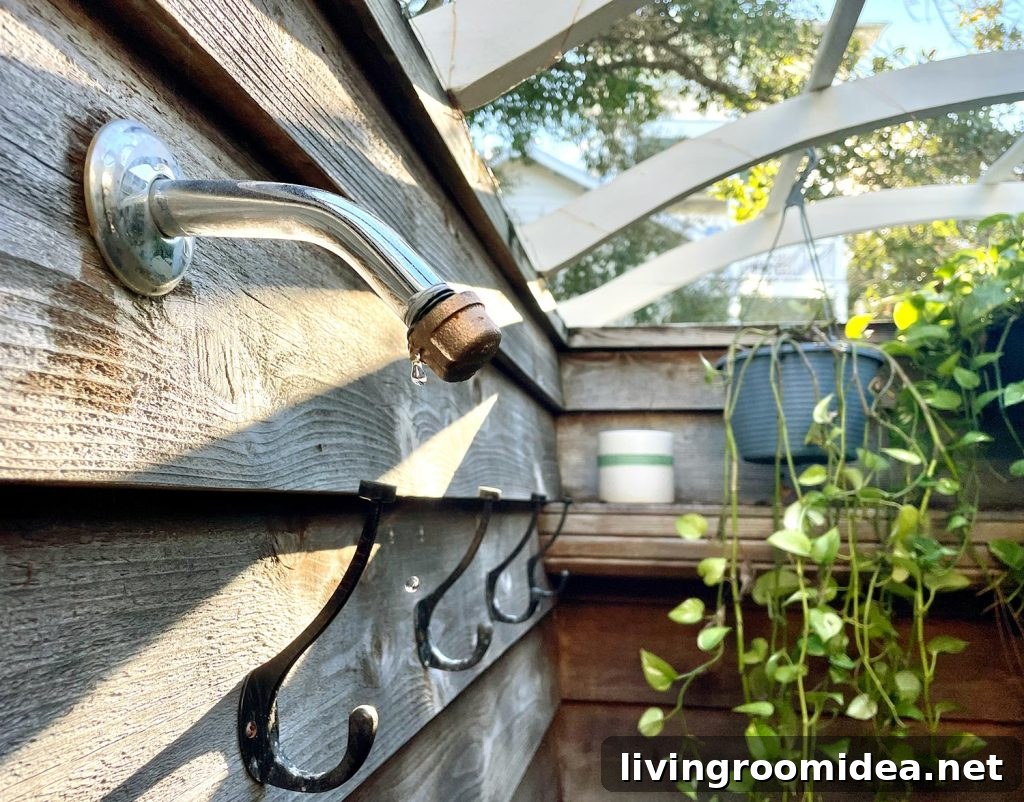
We kept interior and exterior fixtures lightly dripping for the full three-day cold snap, checking regularly for ice buildup or blockages. To avoid accidental shutoff, we posted reminder signs near sinks. Although it may seem wasteful, dripping uses a negligible amount of water — generally only a few cents per sink per day — and is far cheaper than repairing burst pipes or cleaning up flood damage.
Tip 4: Turn Your Water Fully Off
An alternative is shutting off water to the whole house or to specific outdoor lines. If you won’t be home to monitor drips, turning off water to vulnerable sections is a smart choice. After shutting off the supply, open the lowest outdoor faucet to drain remaining pressure in the lines. Failing to relieve pressure can still allow pressurized water to freeze and burst pipes.
Tip 5: Pool Systems Often Handle Cold Better Than You Think
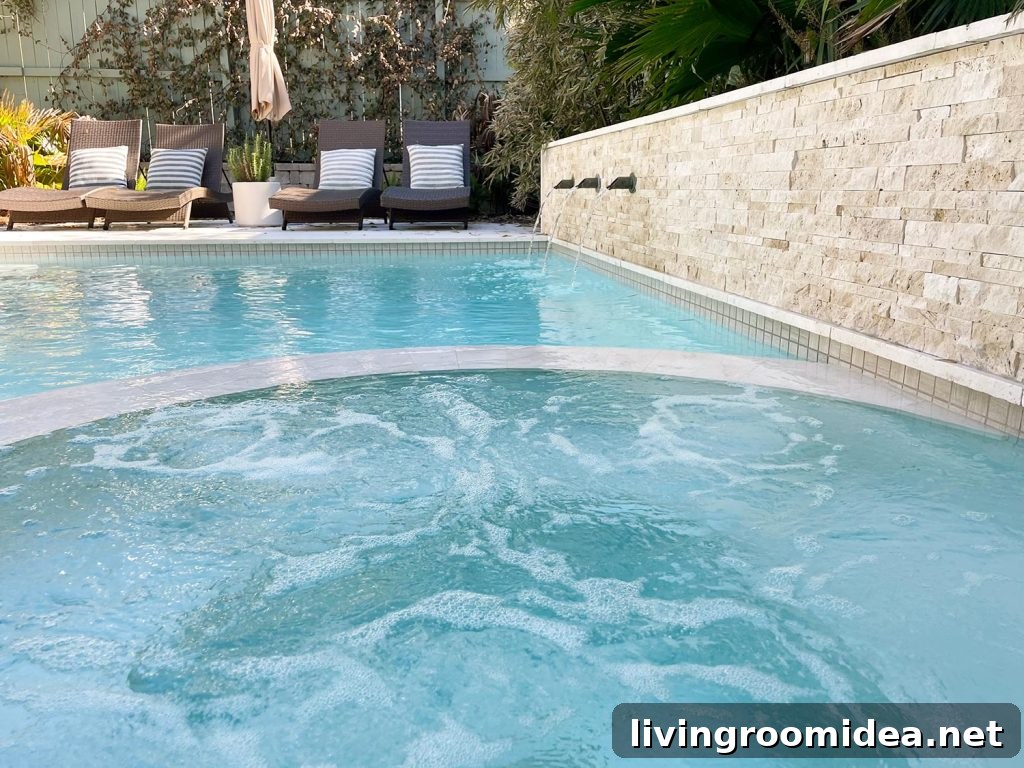
We have an outdoor pool that isn’t winterized, so exposed PVC around the equipment looked worrisome. Our pool controller includes a “Freeze Protect” mode that activates when temperatures fall under about 36 degrees, running pumps and equipment to keep water moving. Our pool ran automatically for several days and did just fine.
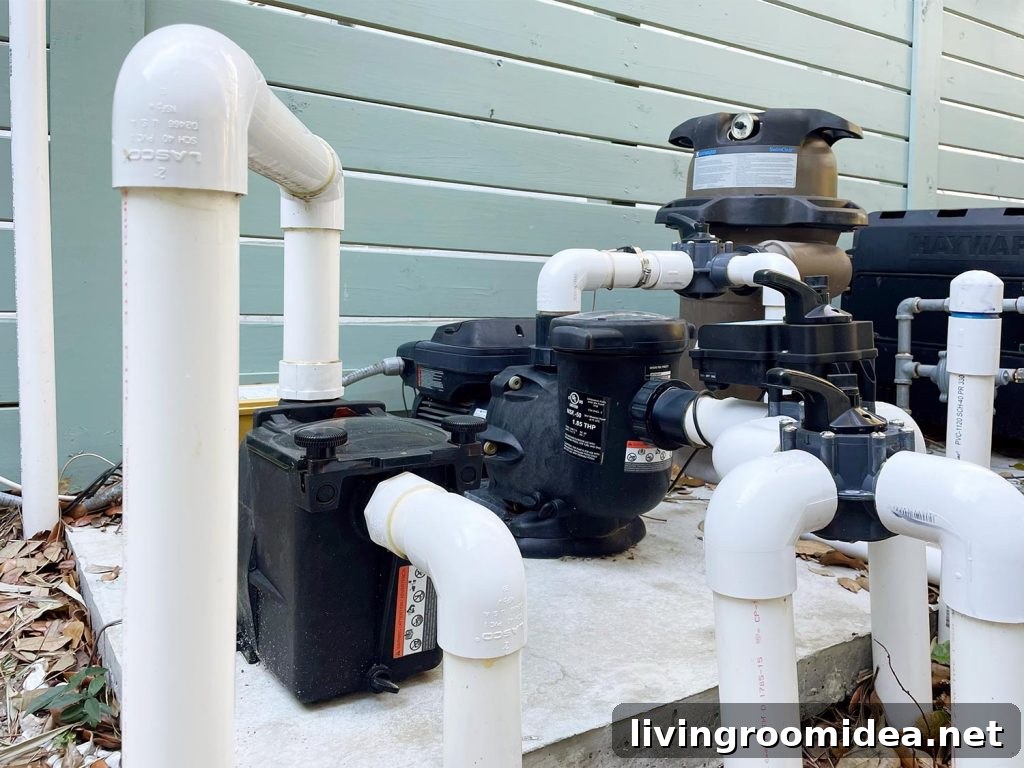
Even without automatic freeze protection, most pool systems can be manually set to cycle water to reduce freezing risk. Large PVC lines take time to freeze solid, so running pumps can provide good protection. Still, check your controller or consult your pool service before cold weather, and consider a backup power source so pumps keep running during outages.
Tip 6: Nothing’s Foolproof
These steps greatly reduced our risk, but no approach guarantees that pipes won’t freeze under every circumstance. Still, taking these precautions made us feel more secure during the arctic blast and helped us avoid any plumbing failures.
More Freezing Weather Preparations
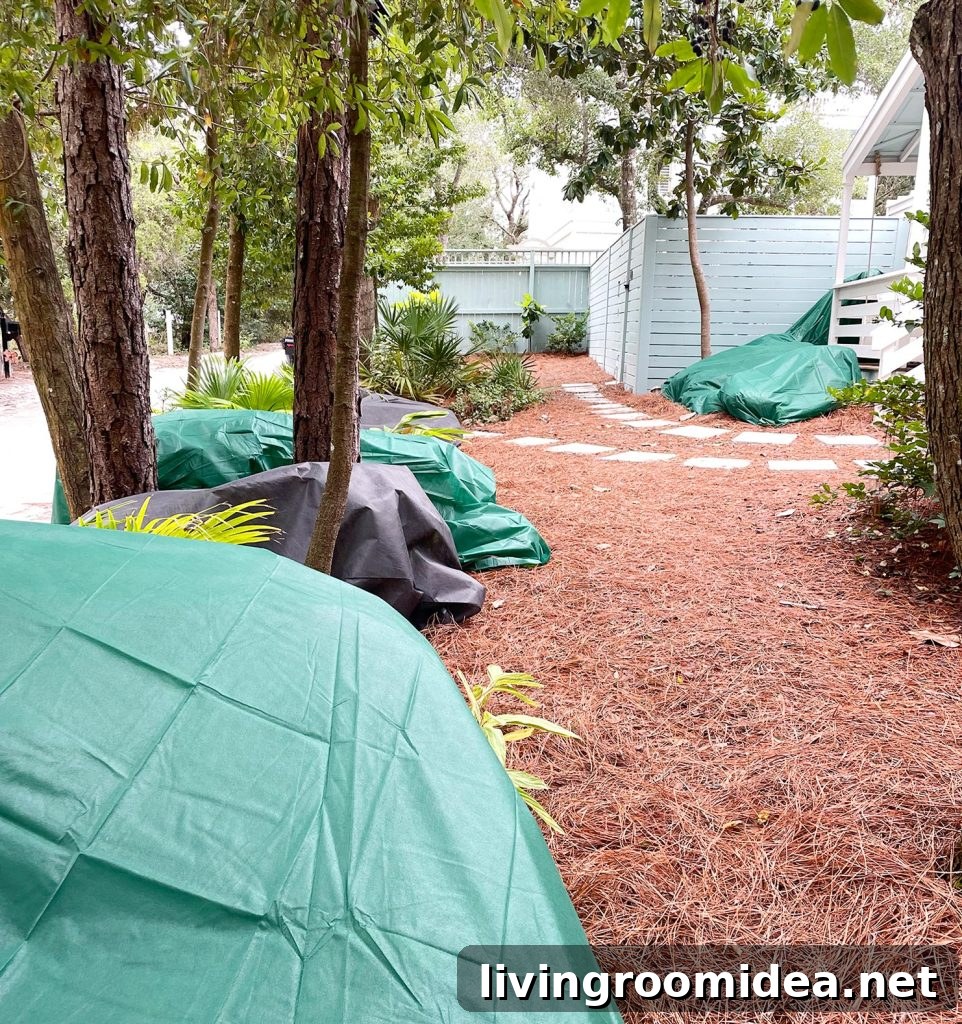
Beyond pipe protection, we also took steps to protect outdoor plants from freezing, using covers and targeted measures to reduce frost damage. If you face a power outage, follow recommended practices to keep interior pipes from freezing as well.
*This post originally included affiliate links.