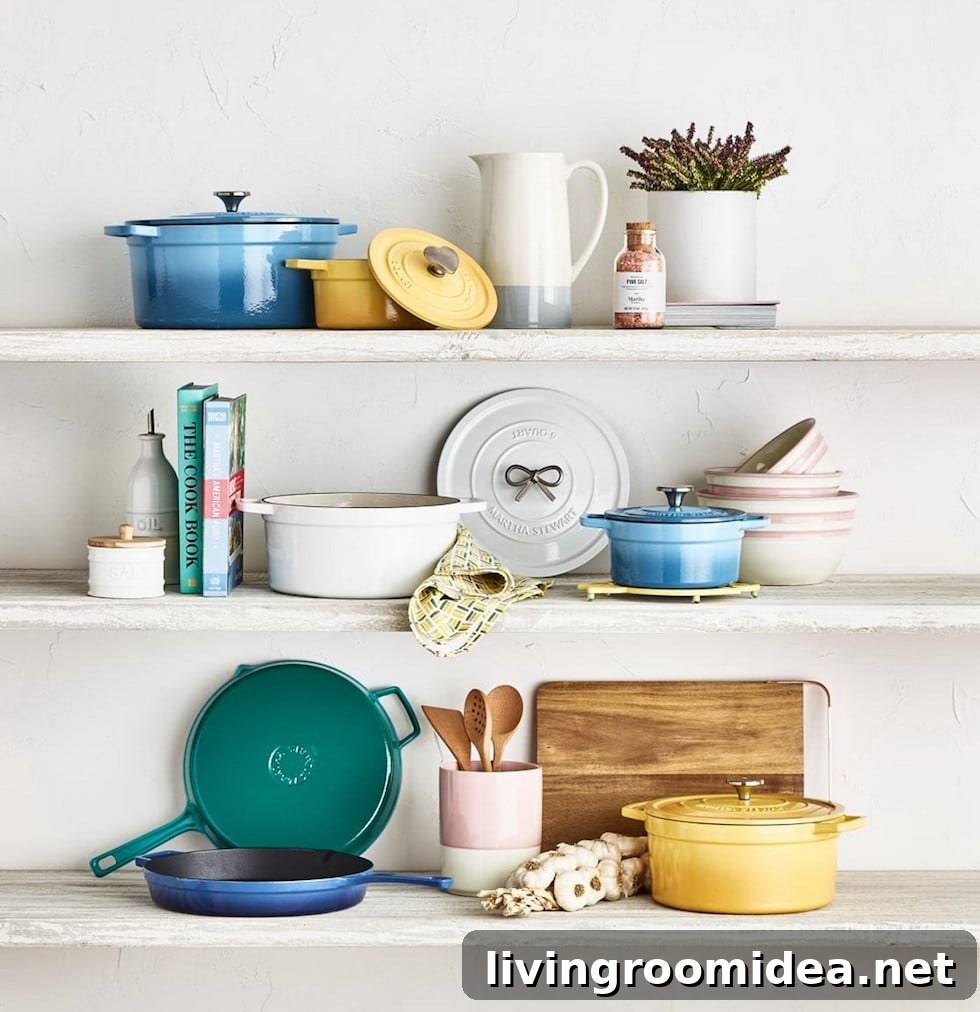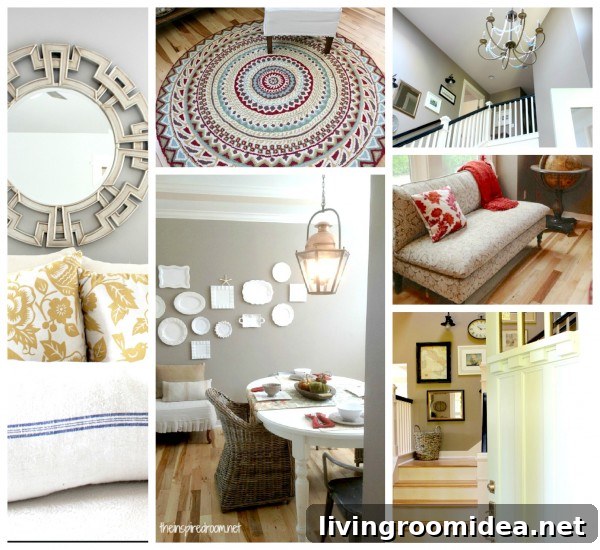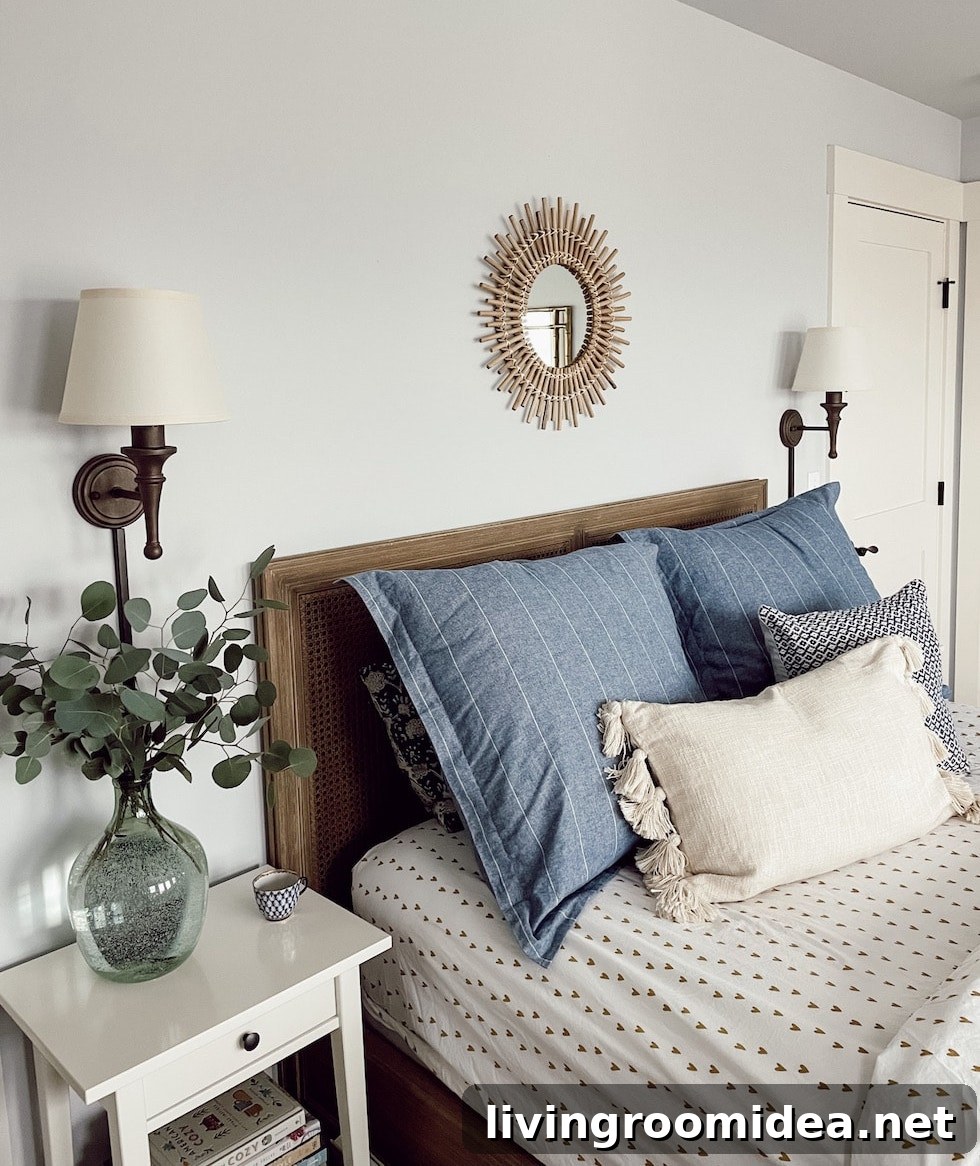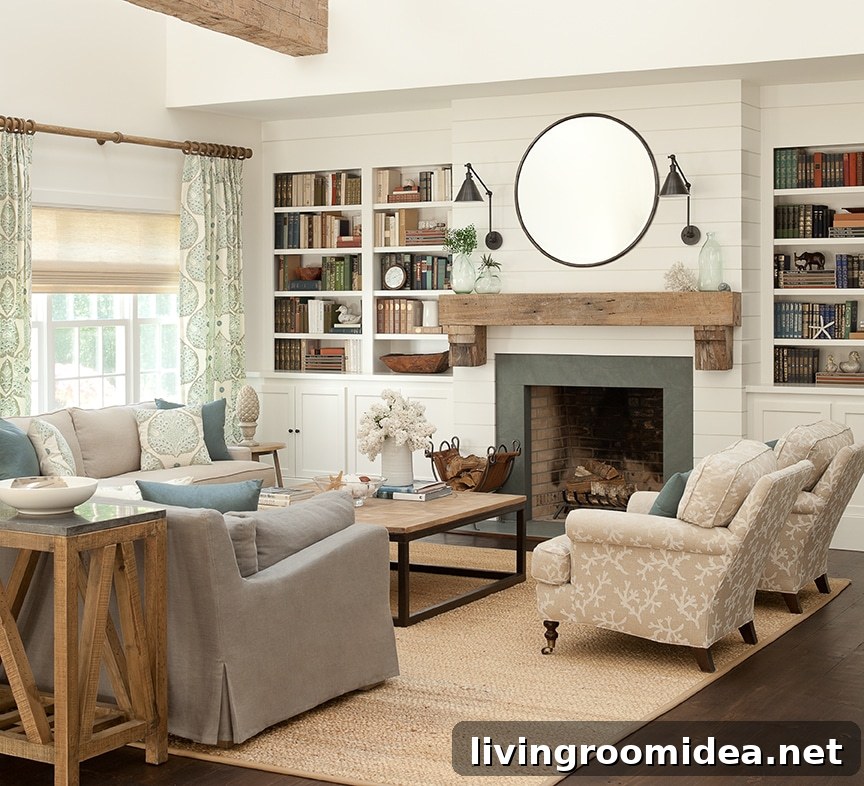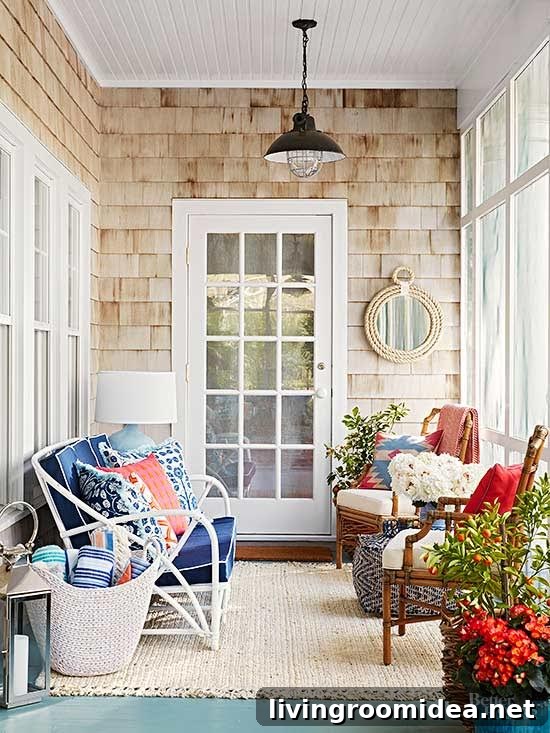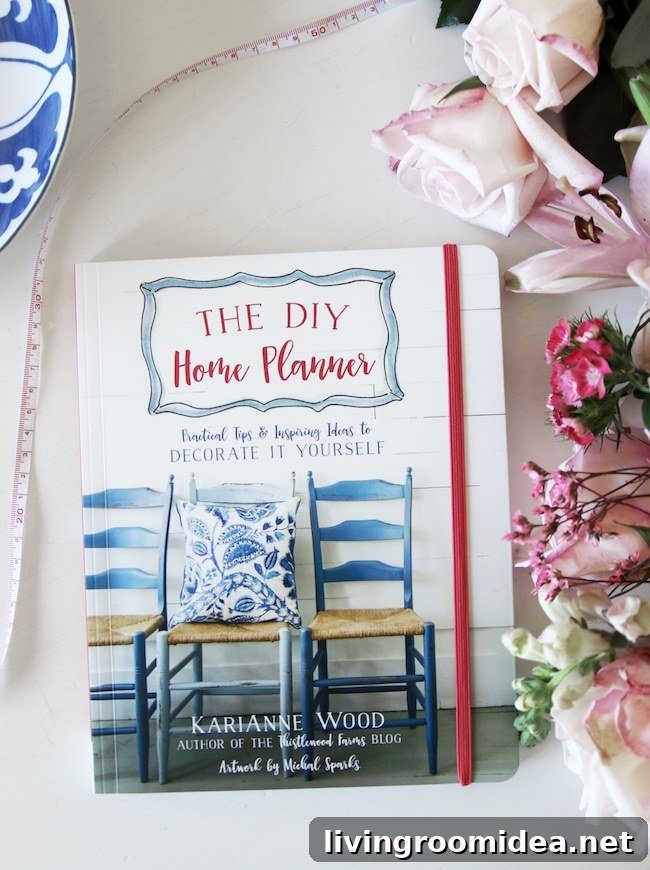

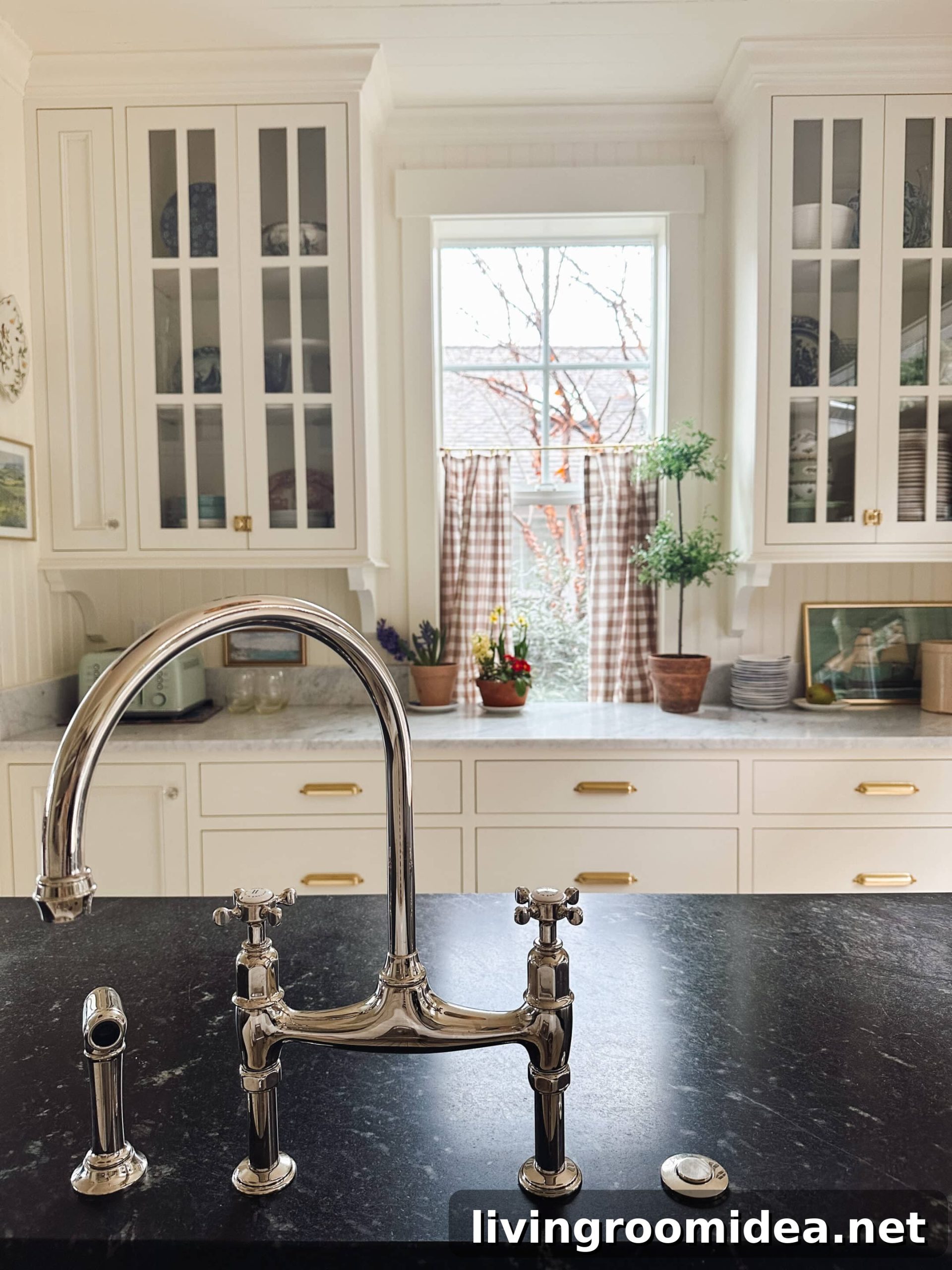
Here are four ways you can begin to design a home you love!
1. Define your design standards.
Instead of feeling pressured by perfectionism or comparing yourself to others, establish your own realistic design standards. Decide what matters most to you and how you want your home to feel. Write a short list of guiding principles and keep it somewhere visible—on a mirror or a note by your door—so you can quickly remind yourself what you’re aiming for when doubt or comparison creeps in.
Creating personal standards helps you make choices that reflect your life and values rather than chasing trends or unrealistic expectations. This keeps decorating more enjoyable and sustainable.
2. Set seasonal priorities.
If home projects and decisions leave you overwhelmed, create a seasonal plan to focus your efforts. Instead of endless scrolling or impulsive shopping, list a few meaningful priorities for the season. This rhythm helps you use time and resources wisely and prevents decision fatigue.
Think about what’s happening in your family and household in the coming months. Use a simple home notebook or planner to map priorities—cleaning projects, small updates, or refreshes—that fit the season. Refer to that list before starting new projects so you invest where it matters most.

3. Name your authentic style.
Your style should reflect you—no need to force it into a trendy label. Rather than judging your space by magazine categories or online quizzes, give your home a personal name that captures how it feels. Describe the elements you love: colors, textures, eras, or the mood you want to create.
Personal style is found in the small, meaningful details that represent your life. Defining your own description frees you from trying to replicate someone else’s aesthetic and allows you to make choices that feel right long-term.
Use simple exercises—collecting images you love, naming adjectives for your space, or listing keepsakes you want to display—to clarify your authentic style and make consistent decisions that align with it.
4. Tell a personal and meaningful story at home.
Designing a home you love means crafting a narrative that reflects your life. Decorating can be fun and intentional rather than stressful or mysterious. Avoid rigid rules and focus on what brings meaning to your everyday spaces.
A home grows over time. If the process isn’t enjoyable or aligned with your family, you risk creating a space that doesn’t feel like you. Instead, weave personal stories into decisions—display memories, highlight heirlooms, and choose pieces with emotional significance.
When you invest in the process and include personal touches, you create stronger connections to your home and a greater sense of belonging and contentment.
Would you like to learn more about embracing your style, decorating and creating a home you love?
If you want guided help, consider a structured approach to decorating that breaks decisions into clear steps. Courses and resources that teach simple frameworks—such as four core ingredients for room design—can make decorating approachable whether you’re rearranging what you already own or planning a full redesign.
Learning practical techniques—how to style accessories, use decorating formulas, and adapt a room over time—can make the process faster and more enjoyable. Look for programs that include cheat sheets, visual examples, and community feedback so you can ask questions and get support while you practice these methods in your own home.
With a clear set of priorities, a named personal style, and a commitment to telling your own story through your decor, you can create a home that feels intentional, welcoming, and uniquely yours.

These are just a few ways to create a home you love. I hope these ideas inspired you.
If you want to dive deeper, consider joining a community or course that offers ongoing teaching, printable guides, and practical exercises to help you make intentional choices for your home. Small, consistent steps and a focus on what matters to you will make the biggest difference over time.