
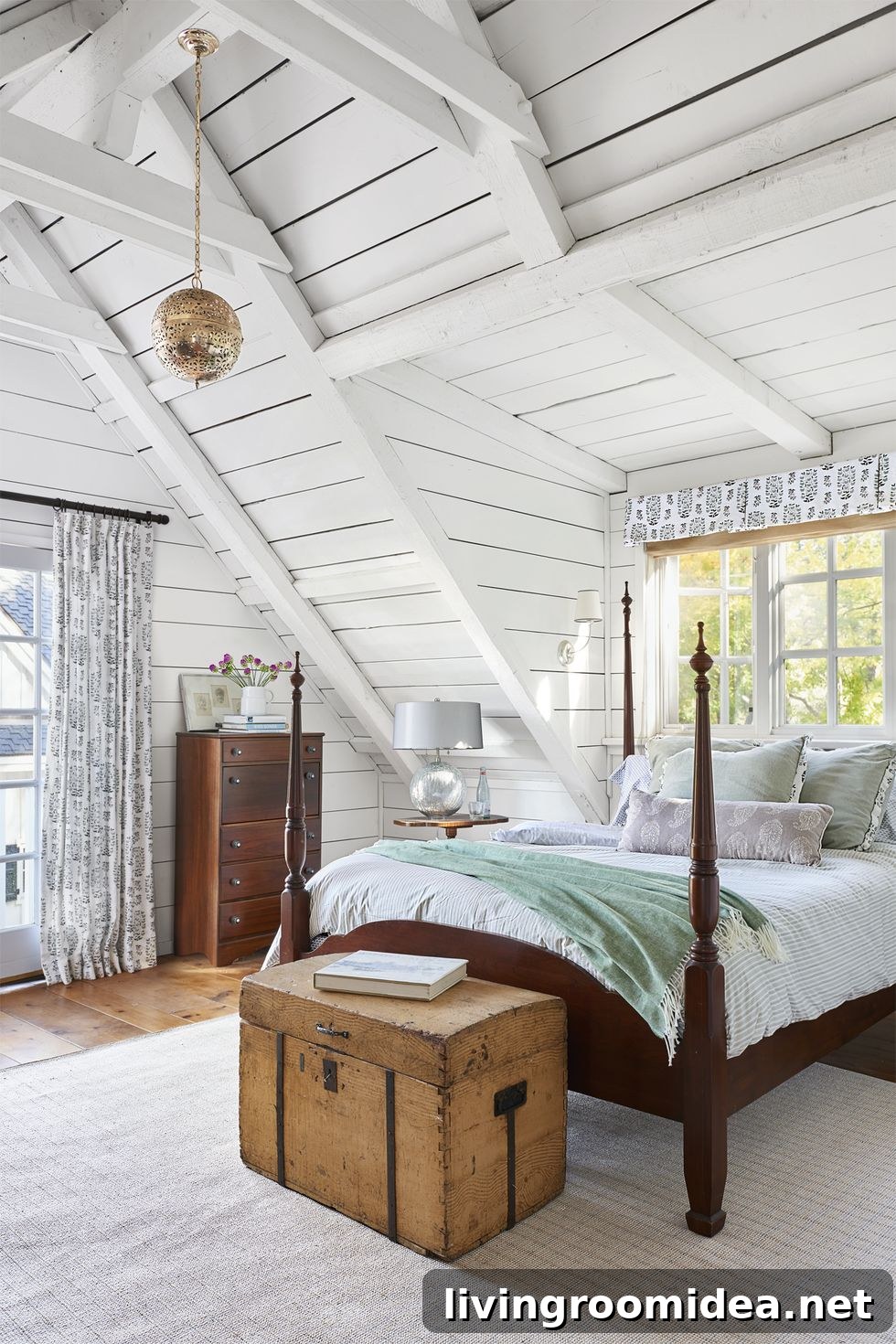
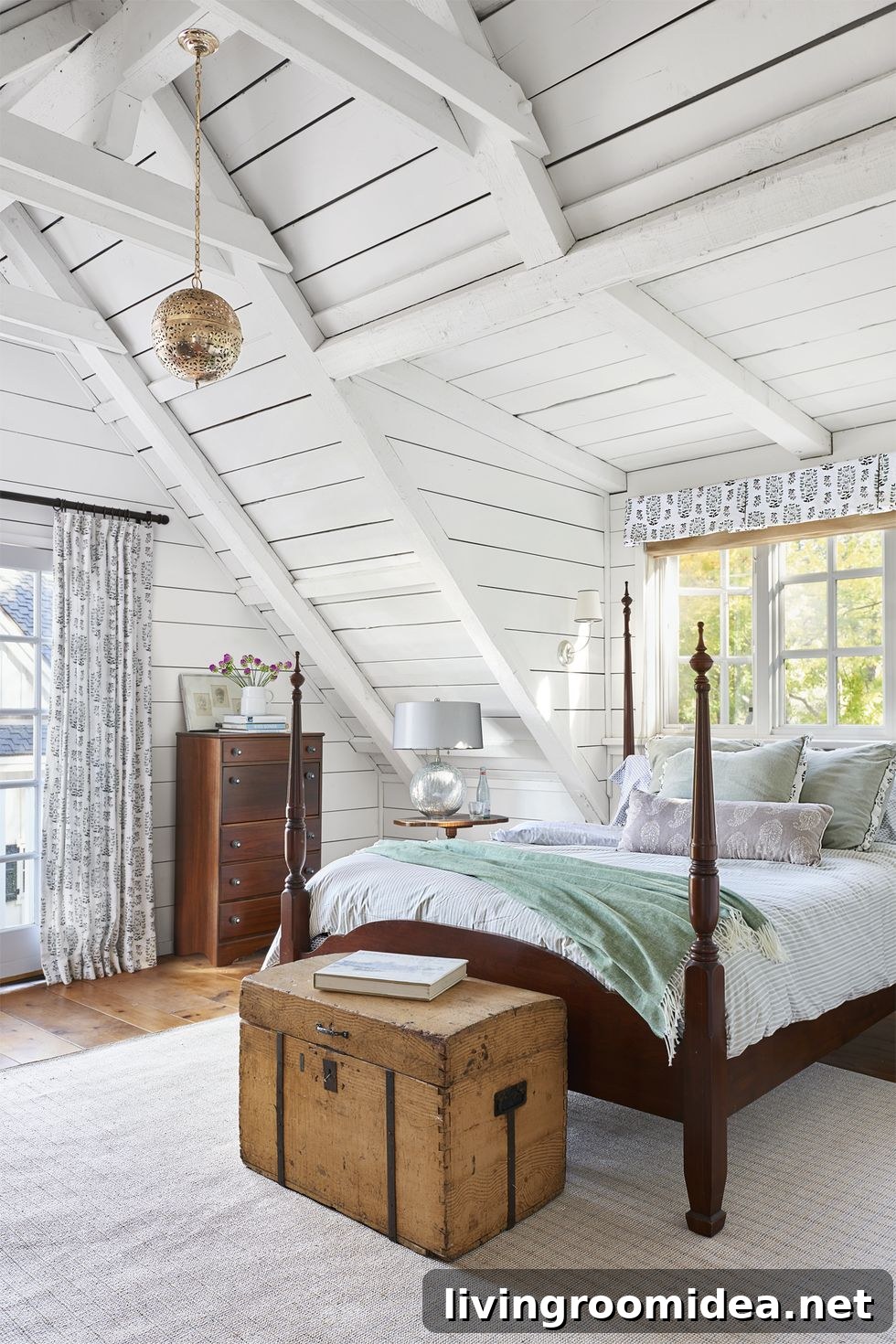
Do you ever feel unsure where to begin when designing a room? I’m here to help. If you want to decorate your home or refresh a room, these are the first four steps I take to get started. I believe a home should be meaningful and reflect the people who live there, so instead of following a rigid decorating formula or chasing trends, I focus on choices that feel timeless and personal. By keeping decisions simple and intentional, you can create a home you love without overspending.
Below are practical ways I organize my thoughts, needs, and style preferences to move forward with a confident plan. I hope these suggestions inspire your next project.
1. Assess the Space
Begin by closely evaluating the room you’re working with. It’s tempting to jump straight into browsing other people’s homes for ideas, but that can mislead you before you understand your own space. When I take time to study the room I’m designing, I make better choices that suit our home and feel more rewarding.
Ask yourself questions: What do I like about this room? What do I dislike? Are the colors, furniture layout, and lighting working? Most importantly, how does it feel to be in this space? Notice the mood and functionality of the room. What architectural elements or limitations exist? Are there cluttered areas or corners that feel uninspiring? Do we enjoy spending time here, and if not, why? What is the room’s purpose? You don’t need to solve everything immediately—just observe and take notes so you can move forward with clarity.
2. Gather Inspiration
After assessing the space, start collecting inspiration. At this stage I save anything that resonates, without worrying about cost or practicality. If an image, object, or scene speaks to me, I keep it. For physical books I flag pages and for online images I save them to boards or collections. The goal is to gather ideas freely so you can later analyze what truly appeals to you.
3. Observe and Find Takeaway Tips
With a collection of inspiration, begin to analyze what draws you to each image. Sometimes a photo attracts you but the reason isn’t obvious. Instead of copying a look blindly, identify the elements that matter—color, texture, lighting, the way accessories are arranged. For example, you might be drawn to a bright white kitchen with colorful books on open shelves. The takeaway could be that you want a light backdrop with curated pops of color, rather than a full-scale remodel. Translating inspiration into actionable takeaways prevents costly mistakes and helps you adapt ideas to your own home.
4. Look for Patterns
Next, search for recurring themes in your saved images. Pay attention to color palettes, furniture styles, architectural details, and the overall mood you keep choosing. Do you favor moody walls, vintage pieces, or streamlined built-ins? Identifying patterns clarifies the specific elements you want to bring into your space—perhaps it’s the contrast of warm wood against white walls or the coziness of layered textiles.
Be honest with yourself about trend-driven choices. You may admire certain looks in photos but discover they aren’t right for your home—and that’s fine. The goal is to refine your personal preferences into a thoughtful plan you’ll love living with.
Once I complete these four steps, I feel much more prepared to make concrete design decisions and begin practical planning for the room.
In a future post I’ll share the inspiration photos I’ve gathered for my upcoming kitchen remodel and update you on plans for my bedroom refresh. These examples will show how the four-step process translates into real design choices.
More inspiration:
If you’d like additional resources, consider exploring books and posts that help you identify style, find room-by-room ideas, and apply takeaway tips to your own home. Practical guidance and consistent observation will help you create a space that feels authentic, comfortable, and timeless.

For more decor advice, look for books and curated collections that focus on simple, timeless decorating and practical solutions to everyday layout questions. Following a thoughtful process—assess, gather, observe, and pattern-spot—will guide you toward a home that truly reflects your life and tastes.