
A small room can feel limiting, but less space isn’t inherently worse than a large or oddly shaped room. Small rooms often feel cozier by nature, and with the right approach they can be both comfortable and functional. That said, compact spaces do require careful planning to avoid feeling cramped or cluttered.
Every room has its own decorating challenges. The trick is to make the most of what you have—highlight the advantages and minimize the shortcomings.
If you’re decorating a small room or designing a compact home, these practical tips will help you plan, shop, and arrange a space that feels larger, brighter, and more inviting.
Below are common mistakes people make in small spaces and simple, affordable solutions to transform a tiny room into a comfortable, attractive area.
10 Small Space Decorating Mistakes
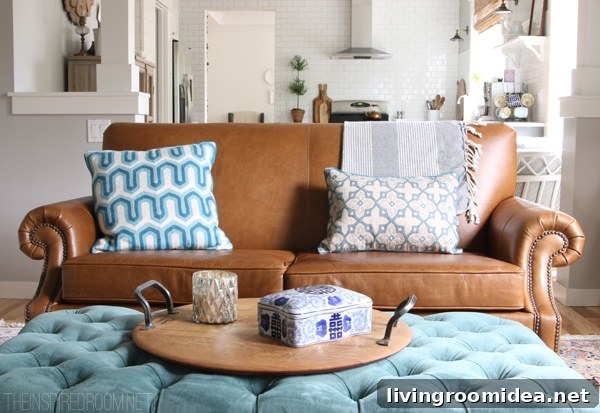
1. Too many small pieces
It may seem logical to fill a small room with many small items, but that often creates visual clutter. Instead, remove excess pieces and consider replacing several tiny items with one or two slightly larger, well-proportioned pieces. For example, swap several small side tables for a single coffee table or ottoman, or choose a compact sectional instead of many separate chairs and sofas.
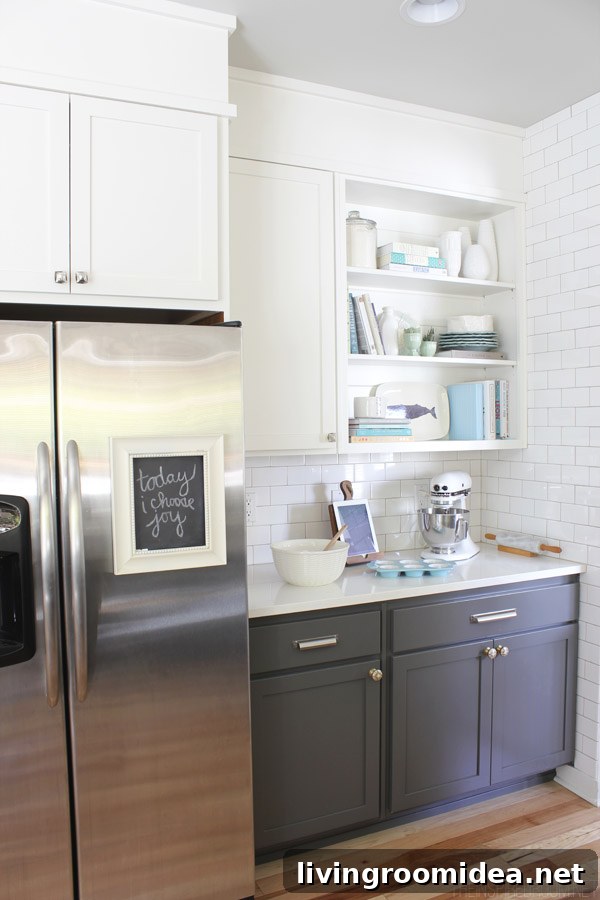
2. Not utilizing vertical space
Floor space is limited in small rooms, so look up. Tall cabinets, wall shelving, and cabinets that reach the ceiling provide more storage and free floor area. Shelving above existing furniture or higher storage units can streamline the room and make it feel less crowded.
3. Failure to address traffic flow
Furniture that blocks entrances or walkways makes a small room feel awkward. Plan your layout with traffic flow in mind: measure doorways, windows, and narrow passages, then create a floor plan that allows easy movement. Start with an empty room and experiment with configurations—sometimes unexpected arrangements work best.
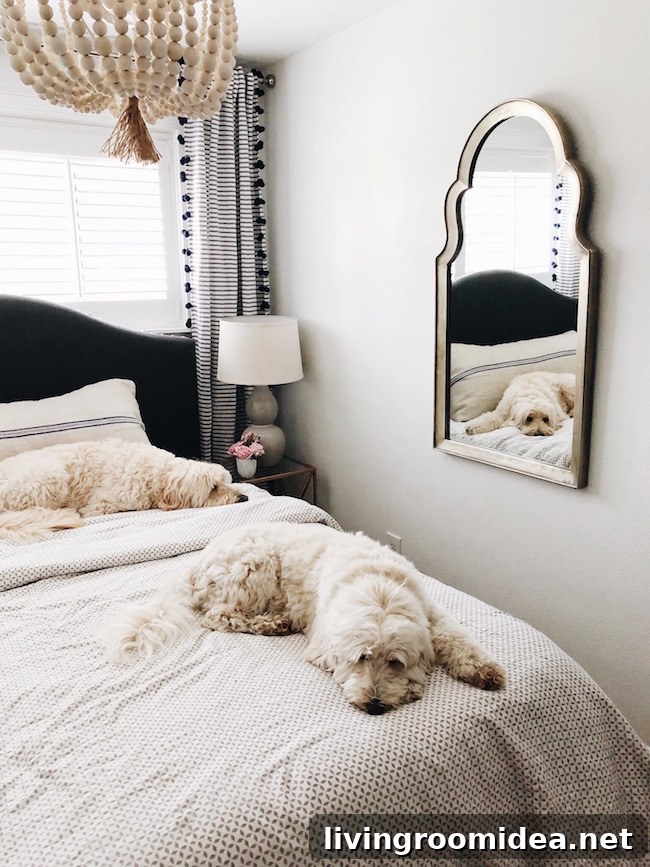
4. Not bringing in enough light
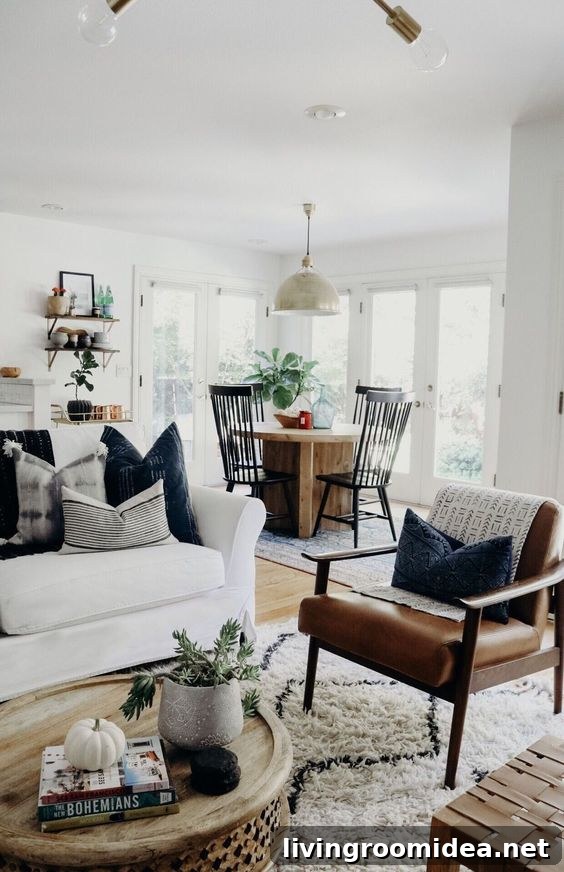
Light makes a room feel welcoming and more spacious. If natural light is limited, use mirrors to reflect light, add multiple lamps, and choose wall colors that enhance brightness. For rooms with little natural light, combine artificial lighting with contrasting paint and bright trim to lift the space.
- Place large mirrors to bounce light into darker corners.
- Use several accent lamps rather than relying on a single overhead fixture.
- Light neutrals on walls help rooms with natural light feel airier.
- In darker rooms, try richer wall colors balanced by crisp white trim and layered lighting.
5. Too much clutter
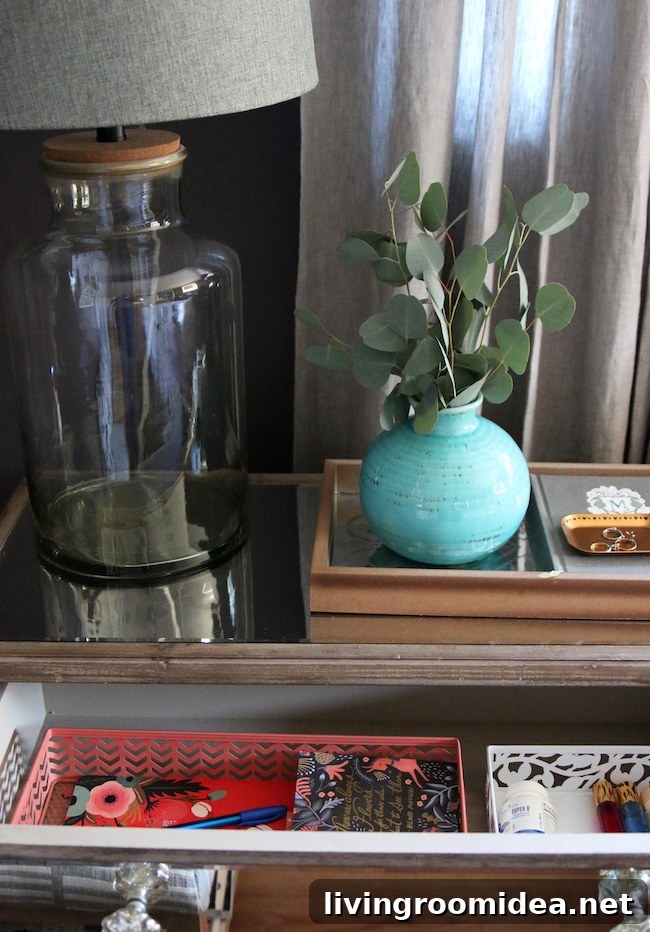
Clutter feels magnified in small rooms. Keep floors and horizontal surfaces clear, and develop a daily habit of tidying. Streamlined spaces feel larger and more comfortable, so prioritize storage and organization to reduce visual noise.
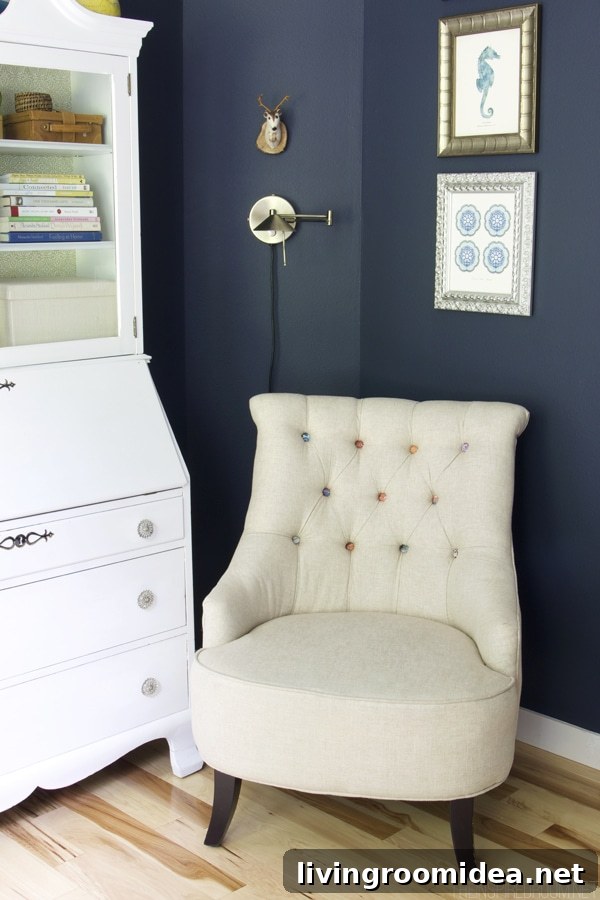
6. Bulky-shaped furniture
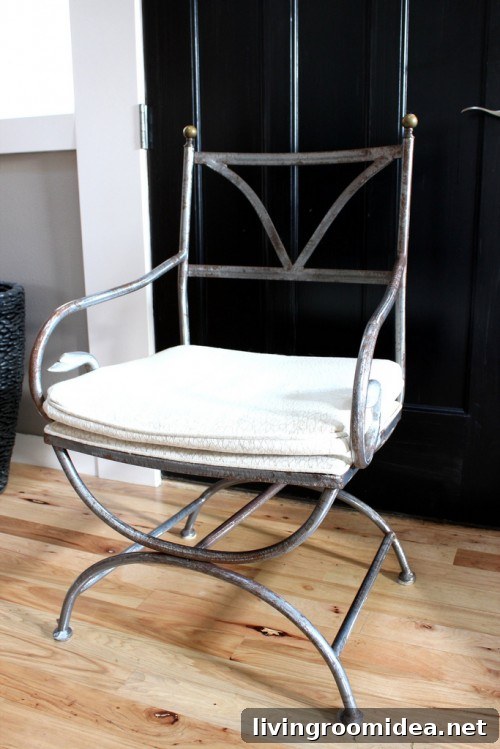
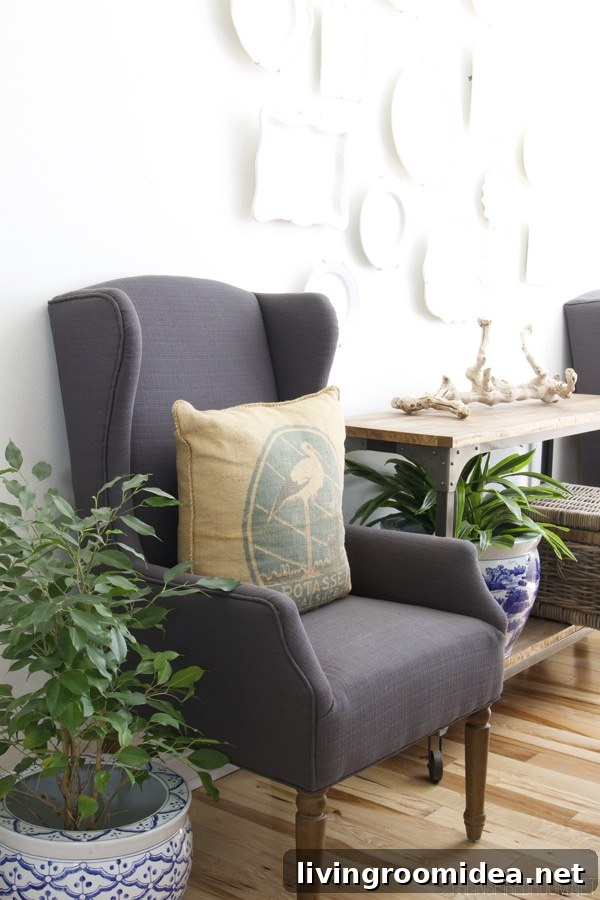
In small rooms, shape matters as much as comfort. Avoid pieces with bulky frames, wide rolled arms, or large winged backs that add unnecessary size. Instead, choose streamlined profiles, exposed legs, and sleeker silhouettes that maximize visual space without sacrificing function.
7. Not enough—or too many—storage pieces
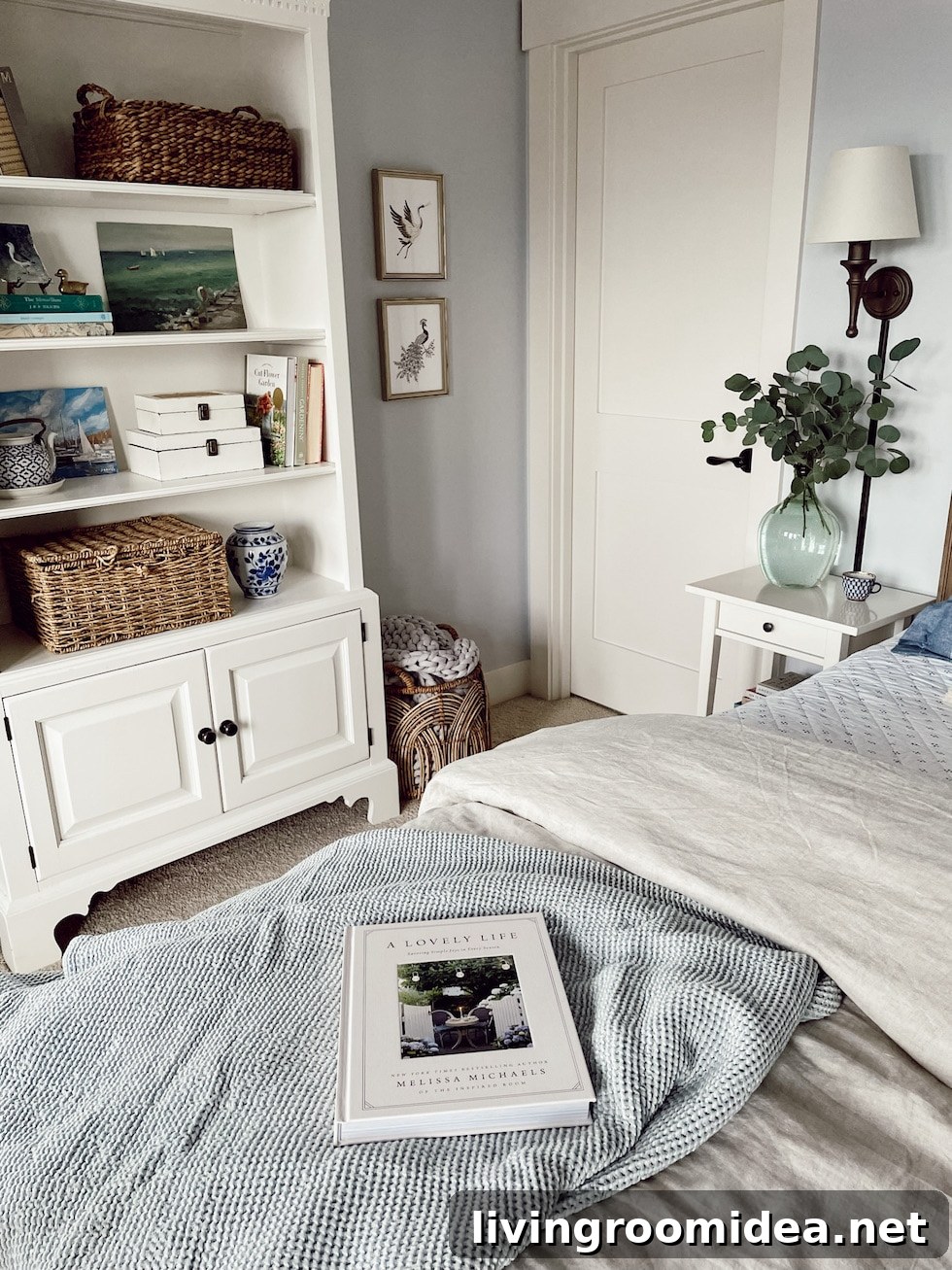
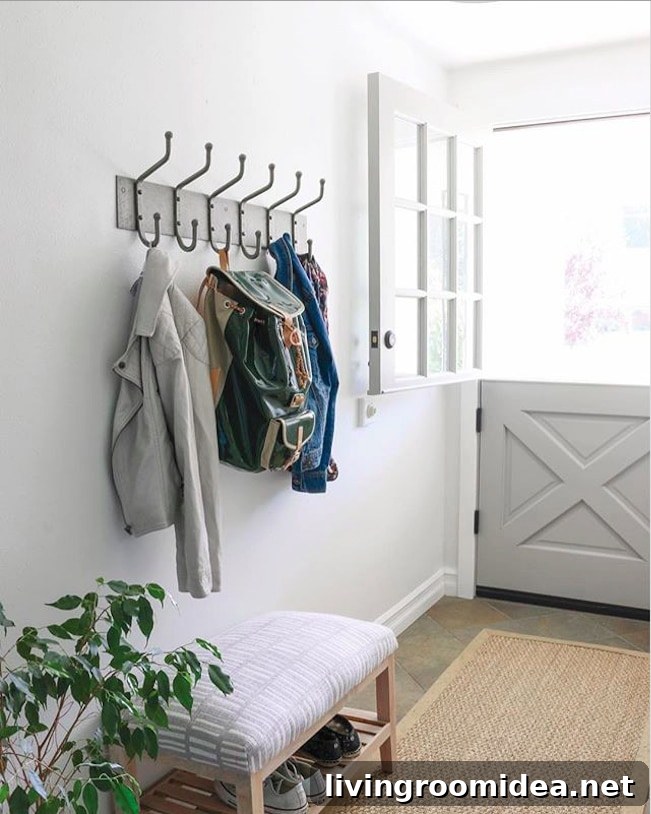
Storage is essential in small rooms. Aim for a few well-chosen pieces that hide everyday items rather than cluttering the room with multiple cabinets. Built-ins are ideal, but freestanding units can work if scaled correctly. Measure the intended spot, note the ideal depth, and shop with dimensions in hand. Multipurpose items—lidded ottomans, baskets that double as side tables—are especially effective.
8. Disjointed style elements
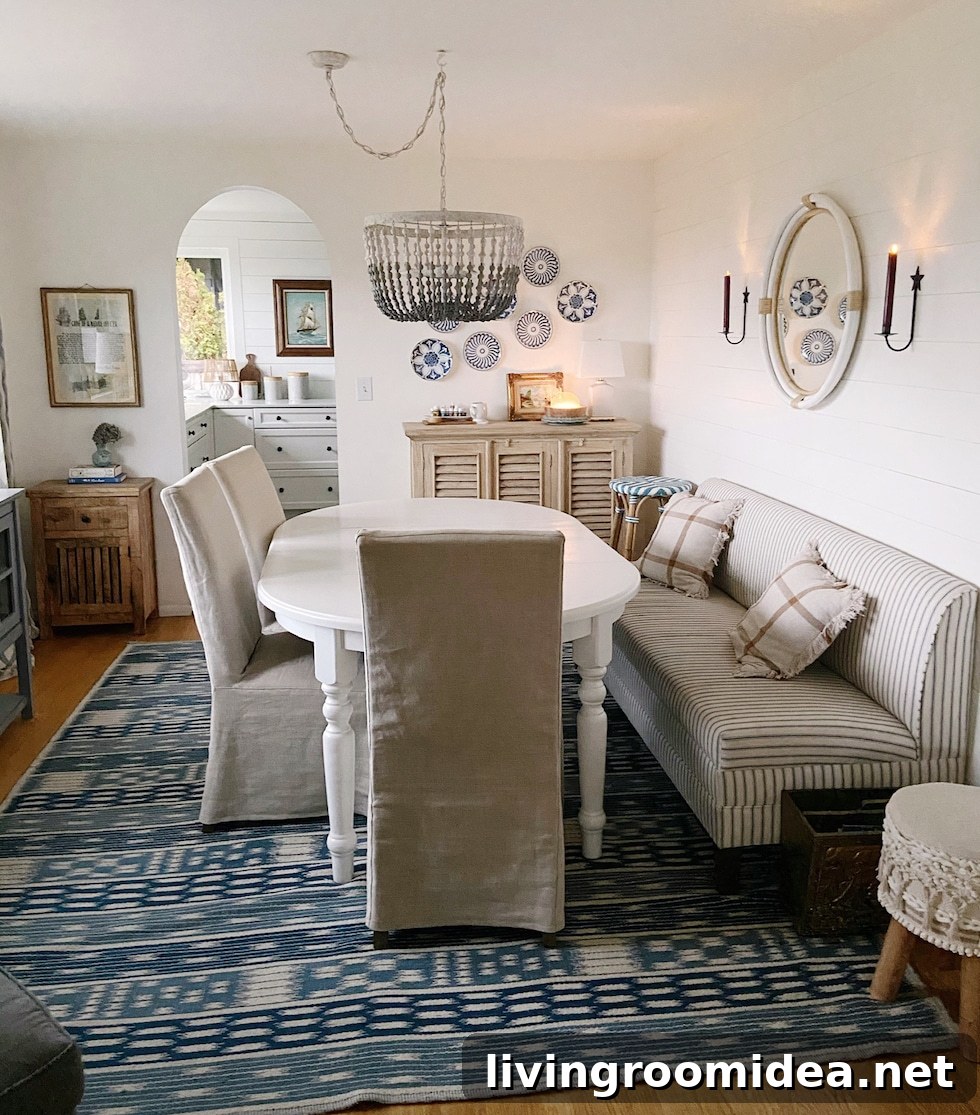
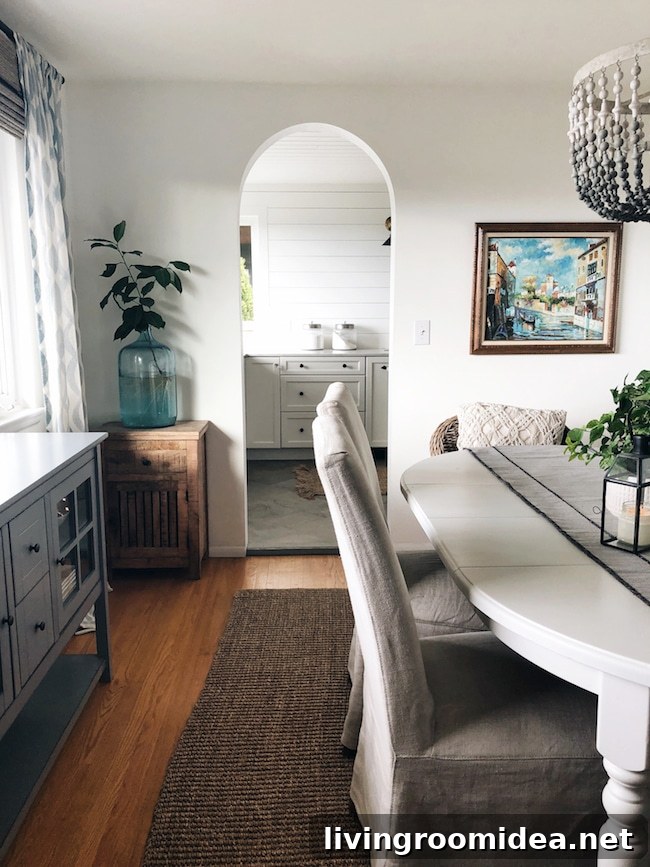
A cohesive look makes a small room feel larger. Use repeating elements—matching pillows, identical lighting, or a consistent trim color—to tie the space together. Limit your palette to three or four hues or several shades of a single color family to avoid a chaotic feel. You don’t have to stick to all-white walls; warmer or moodier colors can make small rooms feel cozy when balanced with thoughtful lighting and textures.
Select a unifying element, such as white trim or consistent fabrics, to connect varied pieces and create visual harmony.
9. Too many visual barriers
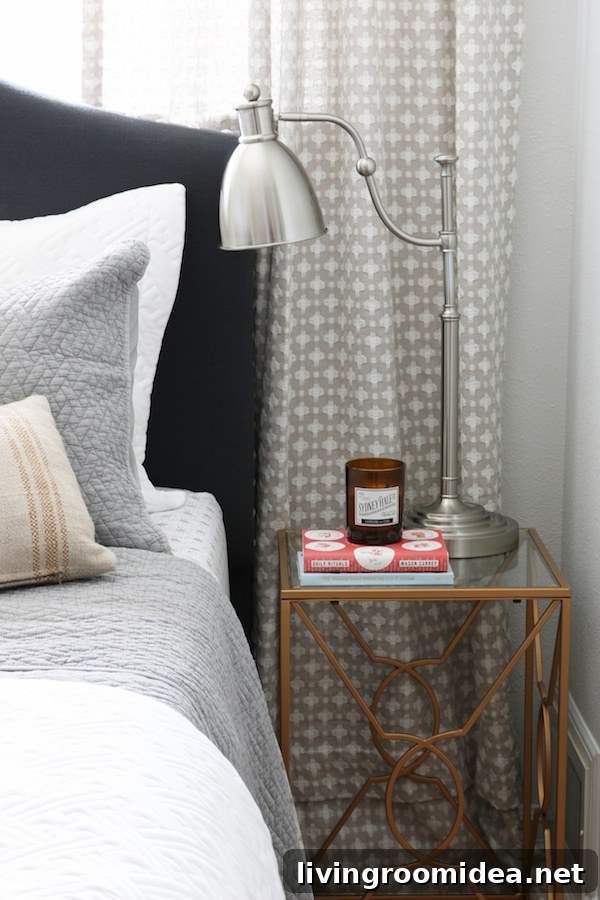
Keep sightlines open so the eye can move around the room. Reduce solid visual blocks by choosing furnishings that feel lighter and more transparent where possible.
Practical examples:
- Use a glass coffee table to maintain an open feel.
- Choose a pedestal dining table rather than one with four bulky legs.
- Opt for slipcovers or coordinated fabrics for a cleaner, unified look.
- Select sofas with exposed legs instead of floor-length skirts.
- Pick lighter, airier light fixtures over heavy, dark chandeliers.
10. Forgetting to play up the cozy factor
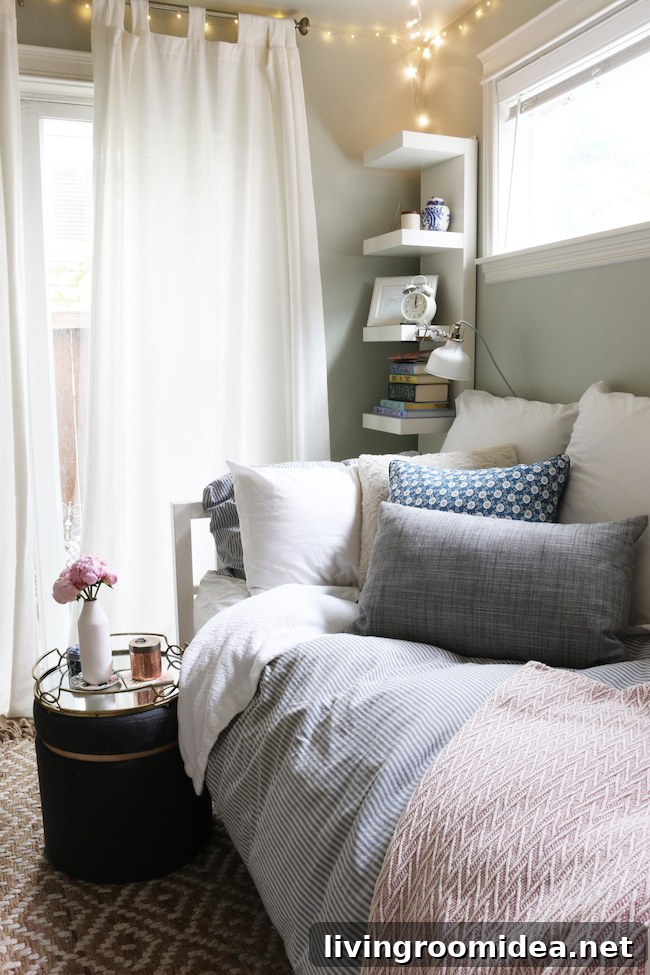
While simplicity is important, a room that’s too bare can feel sterile. Add layered textures—blankets, pillows, curtains, books, and soft lighting—to create warmth and personality. These touches make a small room feel inviting rather than bare.
With thoughtful planning and a few strategic choices, a small room can be both charming and highly functional. Use these tips to create a space that feels open, organized, and cozy.