
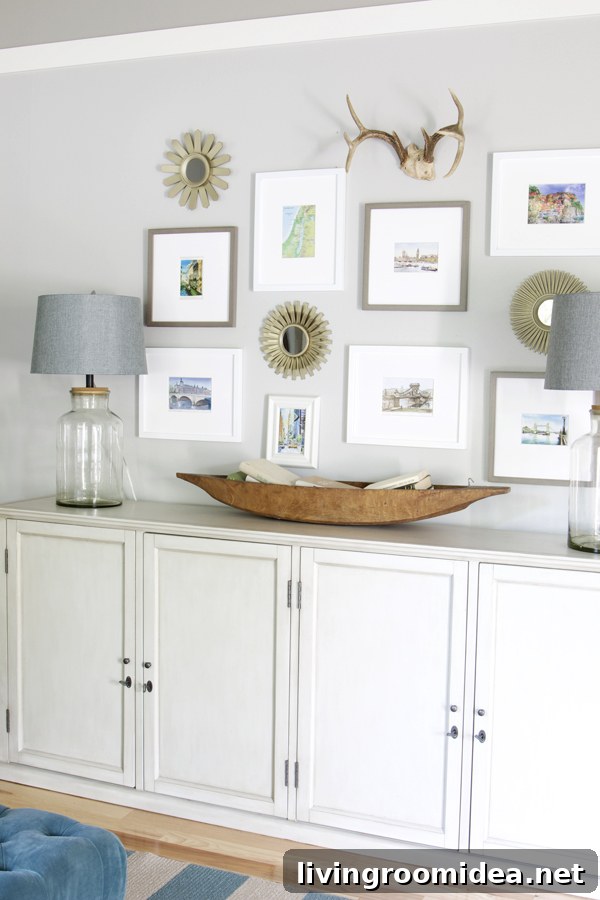
If a room in your home feels uninspiring, this post is for you. I know the feeling—sometimes you want to do something but aren’t sure what. The instinct is often to go shopping, and while buying something new can be fun, it isn’t always the best solution. When we’re stuck or bored with what we have, shopping can lead to impulse purchases that don’t truly improve the space.
Whether buying is an option or not, a better first step is to tap into your own creativity. You can make meaningful changes without spending much—sometimes for free. The hard part is finding the motivation and ideas to decorate using what you already own. Here are practical, simple ways to refresh your rooms and fall back in love with your home.
1. Try something unexpected.
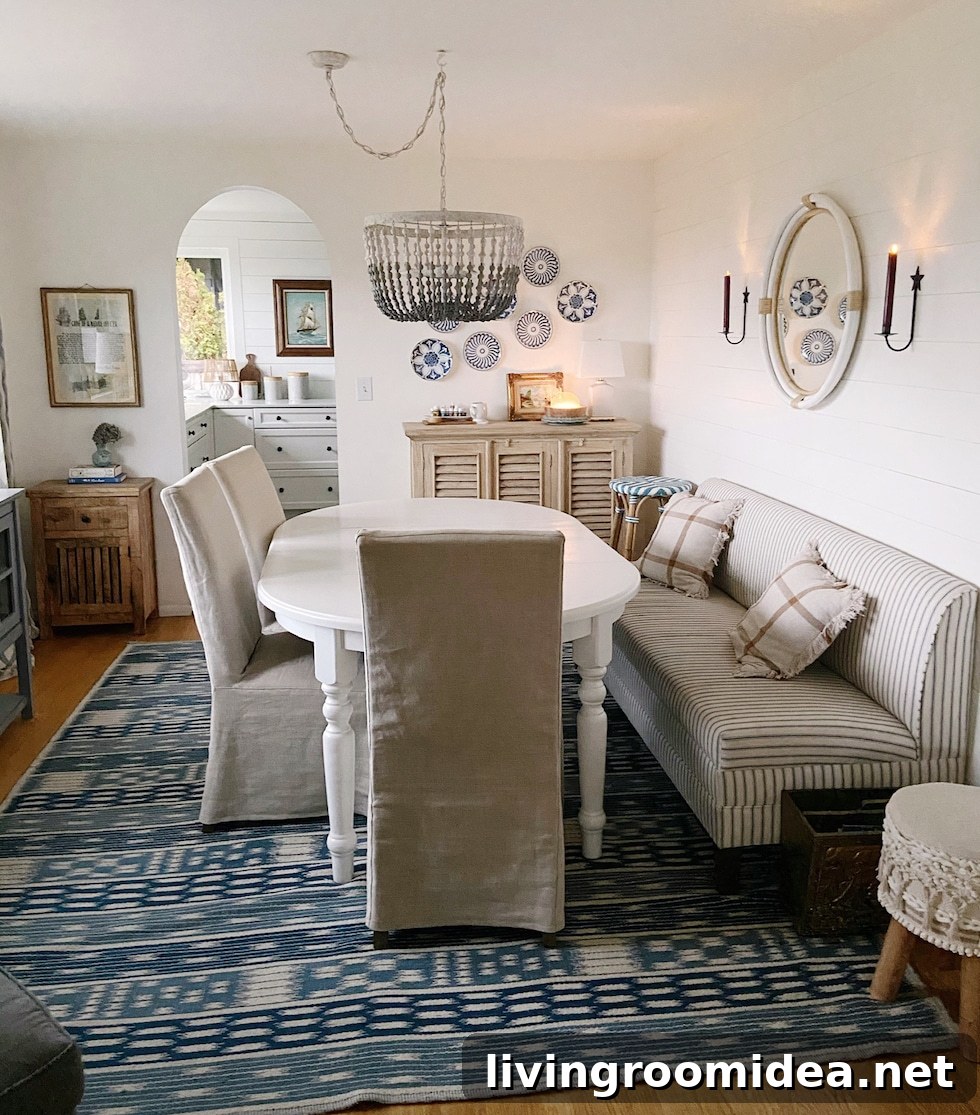
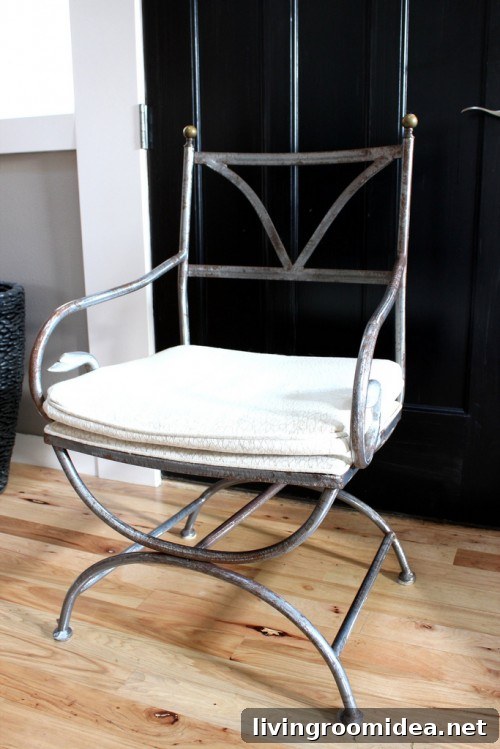
Use an item in a new way—turn a stool into an end table, use a desk as a nightstand, or place a pretty wooden chair in the bathroom to stack towels. Small swaps like these can change the feel of a space without buying anything new.
2. Go on a treasure hunt.
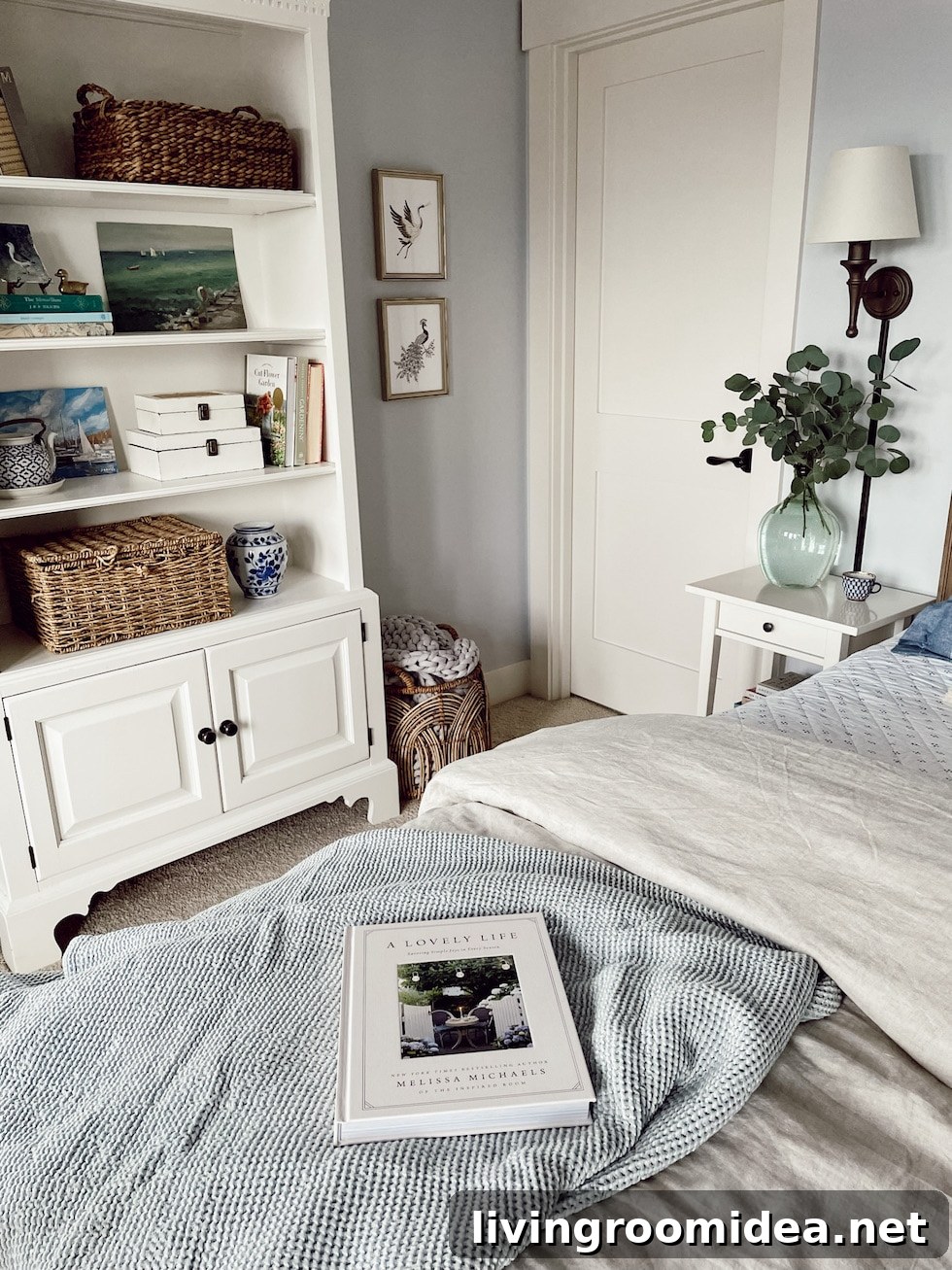
Search cabinets, closets, and the yard for overlooked objects you can repurpose. Consider a twisty branch, a colorful platter, a vase, a stack of old books, an antique box or basket, a pretty scarf, or a favorite frame. These found items can add personality and texture to a room.
3. Clear out the unloved.
Collect items you no longer use or like and give them away. Clearing clutter opens space and can reveal useful pieces you forgot you had. Less is often more, and editing can make a room feel intentional and refreshed.
4. Get sentimental.
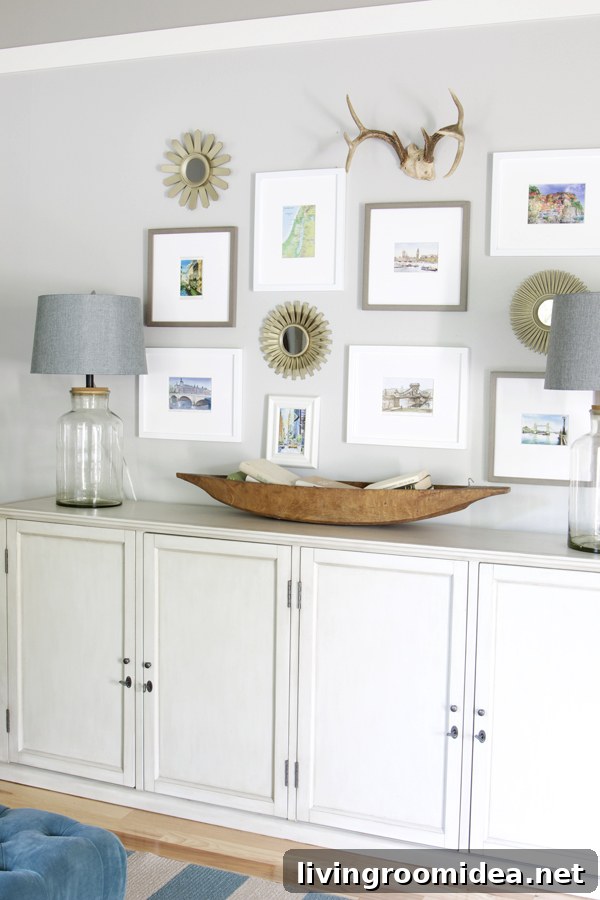
Pull out postcards, greeting cards, or small keepsakes and display them. Pin a few special notes on a bulletin board or frame them to add meaningful, personal touches to your walls.
5. Clean off a cluttered surface.
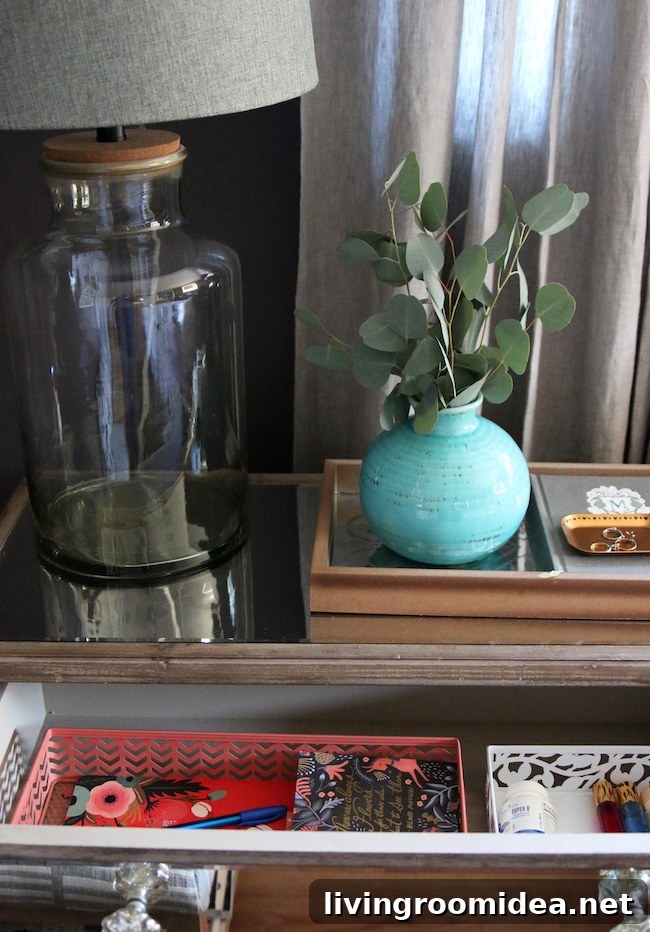
A tidy surface can have an immediate impact. Clearing a dresser, table, or countertop reduces visual noise and often makes a room feel calmer and more inviting.
6. Improve your mood with color and texture.
If a room feels too moody or flat, shift its personality by adding lighter colors, metallics, or mirrors to brighten it. Conversely, if a space is too bright and peppy, bring in warmer natural materials and richer hues to add depth. Use what you already own to experiment—if you don’t like the result, you can always change it back.
7. Update your memories.
Refresh frames and bulletin boards with current photos and family memories. Swapping in new pictures is inexpensive and instantly personalizes a space.
8. Look at the overlooked.
We often miss decorating opportunities around the house. Rethink the tops of dressers and nightstands—remove dust-covered items, hang things that have been leaning, and put away items that have been left on the floor. Small adjustments can make everyday areas feel cared for.
9. Shake things up.
Move pretty items to new locations to change the narrative of a room. Colorful bowls tucked in a cabinet might look lovely grouped in a dining hutch. A lamp that’s been on a bedroom table might bring useful light to a kitchen counter. Artwork from the entry could become a focal point above the bed. Simple moves can create big differences.
10. Try a new shape or play with symmetry.
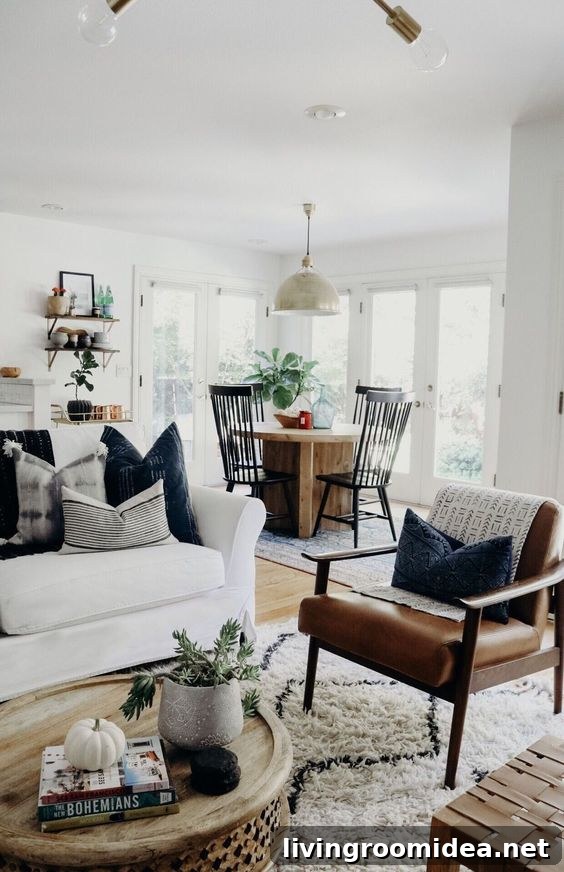
If your living room is full of rectangles, soften the look with round pieces like an ottoman or small table. Add plants to soften corners, angle chairs to create a cozier seating area, or experiment with symmetrical and asymmetrical arrangements on mantels and tabletops. Changing shapes and balance can refresh the room’s flow.

Have fun using what you have and creating a whole new look!
Related posts:
How to Decorate: The Slow Process to a Style You’ll Love
How to Decorate: The Secret Ingredient Every Room Needs
Click here to shop my house and latest decor finds!