A small room can feel limiting, but limited space isn’t inherently a disadvantage. In many ways, small rooms are easier to make cozy than large ones. They simply require careful planning to avoid feeling cramped or cluttered.
Every room presents decorating challenges; the key is learning to maximize what you have, emphasize strengths, and work around limitations.
If you’re working on a small room or a compact home, the tips below will help you plan and shop with intention so your space feels open, functional, and inviting.
Below are common mistakes people make in small spaces, and practical, affordable solutions to fix them.
10 Small Space Decorating Mistakes
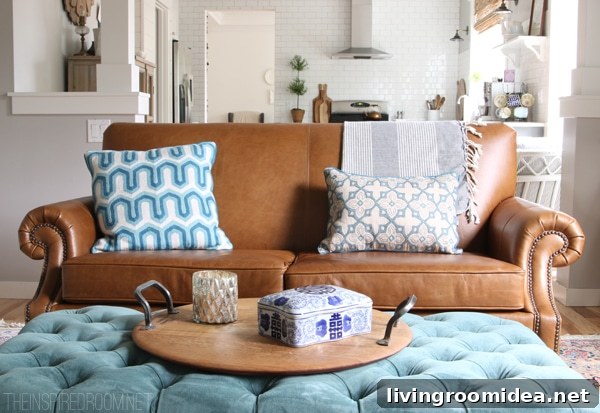
1. Too many small pieces
It may seem logical to fill a small room with small furniture, but too many little pieces often create visual clutter. Instead, remove excess items and consider replacing multiple small pieces with one or two slightly larger, well-proportioned items—one coffee table instead of several end tables, a small-scale sectional instead of several mismatched chairs, or a single cabinet in place of several tiny bookcases.
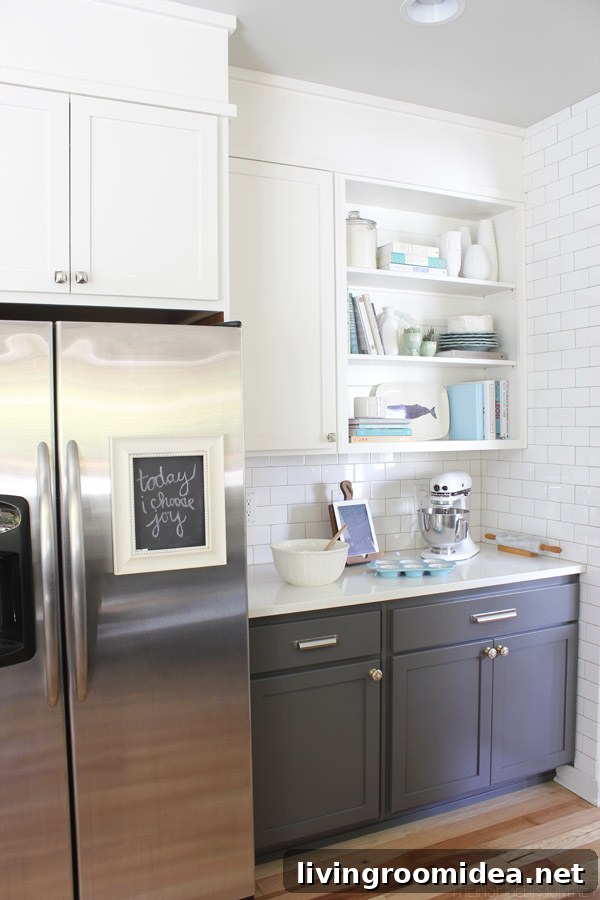
2. Not using vertical space
Floor space is precious in a small room. Look up and use wall space for storage and visual interest. Tall cabinets and floor-to-ceiling kitchen cabinets maximize storage and create a streamlined look. Floating shelves or shelving above cabinets add storage without taking up valuable floor area.
3. Ignoring traffic flow
Furniture that blocks entrances or walkways makes a small room feel awkward and crowded. Plan a layout that allows people to move freely. Start with an empty floor plan and work from architectural features—doors, windows, and narrow passages—so you can place appropriately sized pieces where they won’t impede circulation. Edit and rearrange existing furniture before buying new items to find the most effective arrangement.
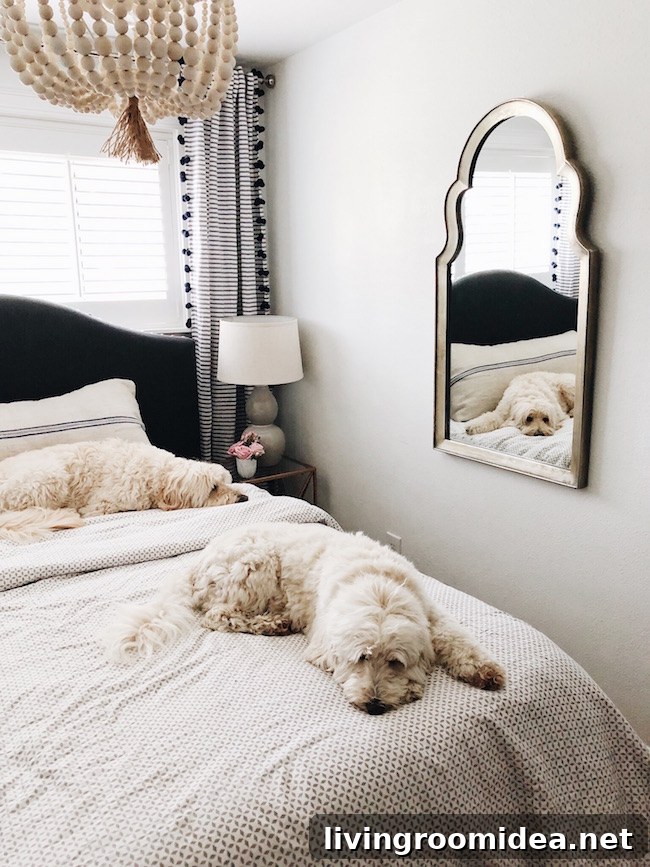
4. Not bringing in enough light
Light makes small rooms feel more welcoming. If natural light is limited, use mirrors to reflect light, add multiple lamps, and choose wall colors thoughtfully. Light neutrals enhance naturally lit rooms, while rooms with little natural light can benefit from layered artificial lighting and contrasting trim to create depth and brightness.
- Use larger mirrors to reflect light into darker areas.
- Place multiple accent lamps around the room.
- Choose lighter wall colors for rooms with natural light.
- For rooms without much natural light, use strong artificial light and contrasting trim or accents.
5. Too much clutter
Clutter has a bigger impact in a small space. Keep floors and horizontal surfaces clear and make tidying a daily habit. Streamlined storage and disciplined editing will keep the room feeling calm and open.
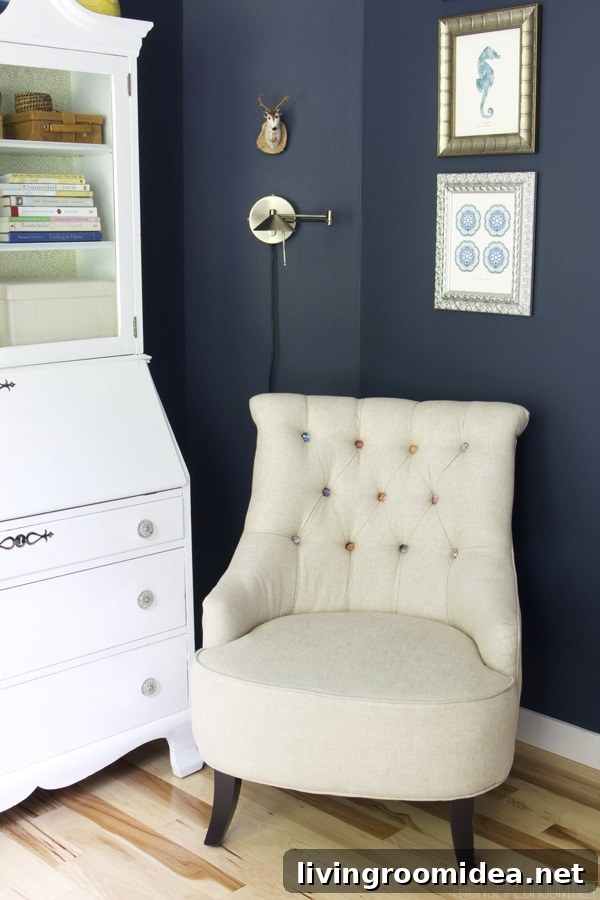
6. Bulky-shaped pieces
In small rooms, the shape of furniture matters as much as comfort. Avoid pieces with oversized arms, bulky backs, or heavy frames that add unnecessary visual weight. Choose streamlined silhouettes—narrow arms, lower profiles, and exposed legs—to preserve space and create a lighter feel.
7. Too few—or too many—storage pieces
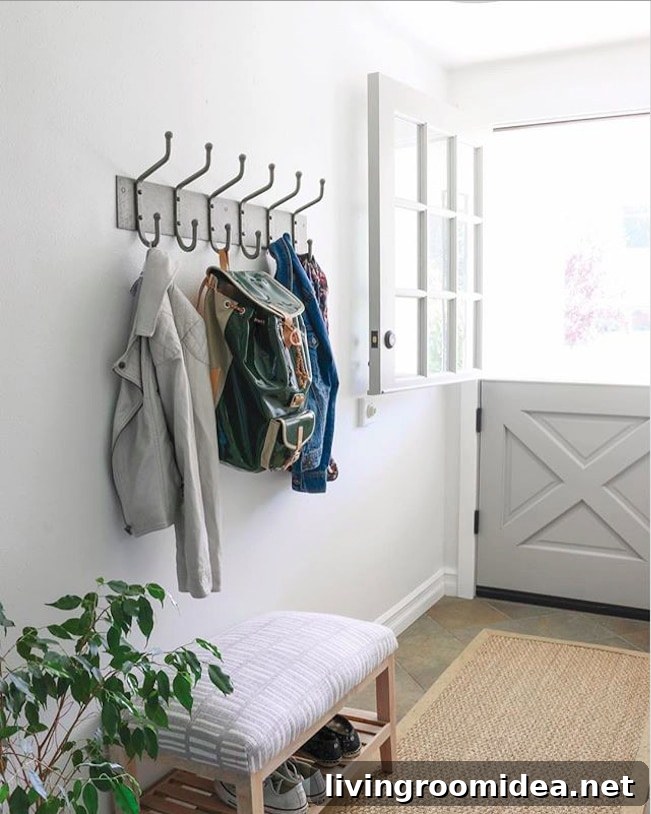
Good storage is essential. The goal is to hide everyday items and use the fewest, best-placed storage pieces. Built-ins are ideal, but freestanding furniture can work if you choose the right sizes and depths. Avoid scattering many small storage units; a single well-sized console or cabinet will look cleaner. Open shelving adds depth but requires careful styling to avoid a cluttered appearance. Look for multipurpose pieces like lidded baskets, ottomans, or benches with storage.
Measure available space and bring dimensions when shopping so you select pieces that fit perfectly without overwhelming the room.
8. Disjointed style elements
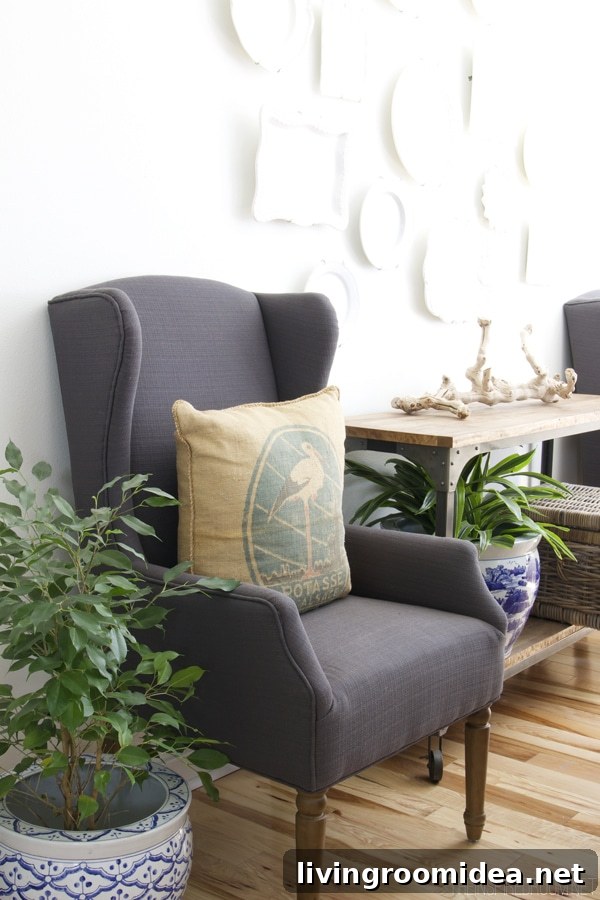
A small room benefits from a cohesive style. You can mix pieces you love, but tie them together with repeating elements—matching pillows, paired lighting, or coordinating fabrics—to create visual unity. Choose a simplified color palette or repeat a neutral trim or accessory color throughout the room. You don’t have to use white to make a room feel large; richer or cozier colors can work well when balanced within a consistent palette.
Limit the number of dominant colors and use harmony—such as three complementary hues or different shades of a single color—to keep the space cohesive and pleasing.
9. Too many visual barriers
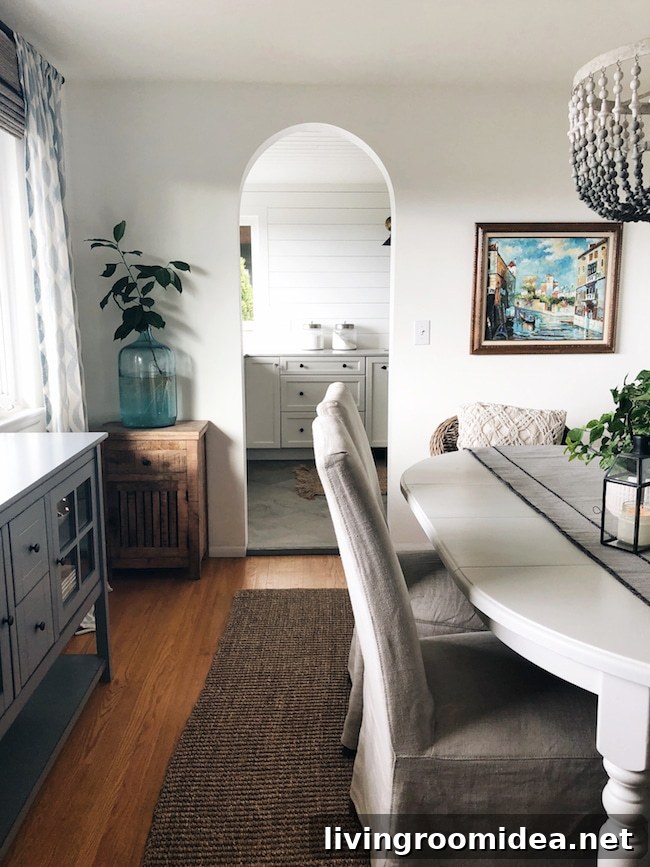
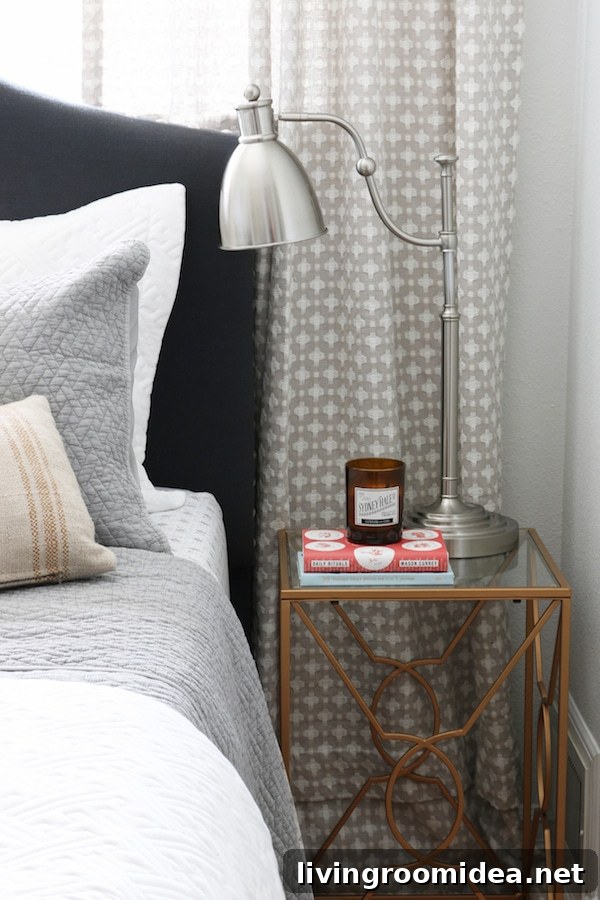
Reduce visual obstacles so the eye can travel around the room. Choose furniture that feels open and airy—glass or acrylic tables, pedestal dining tables, exposed sofa legs, and streamlined lighting. These choices create a sense of openness and flow, even in a compact footprint.
- Use glass or acrylic tables to minimize visual weight.
- Opt for pedestal dining tables instead of four-legged bases.
- Choose coordinated fabrics and simpler silhouettes.
- Select sofas with exposed legs rather than full skirts.
- Choose light, airy fixtures instead of heavy, bulky lighting.
10. Forgetting to emphasize coziness
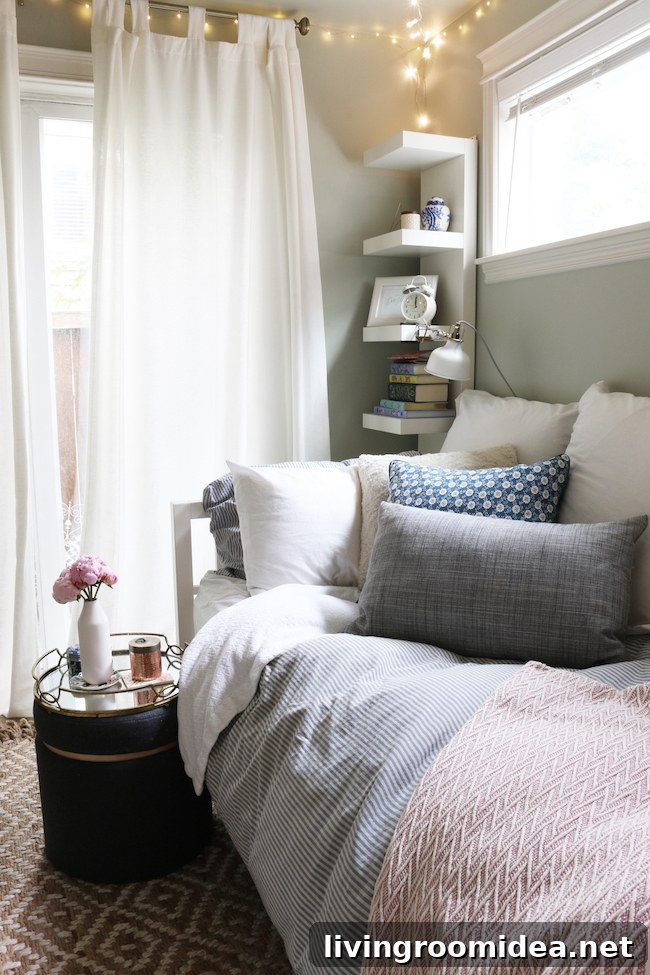
While simplicity is useful, over-simplifying can make a small room feel sterile. Add layers that make the space inviting: throw blankets, pillows, curtains, books, and soft lighting. These accents enhance the room’s warmth and charm without overcrowding it.
A small room can be charming, functional, and cozy when you apply thoughtful planning, the right furniture shapes, and smart storage solutions.