

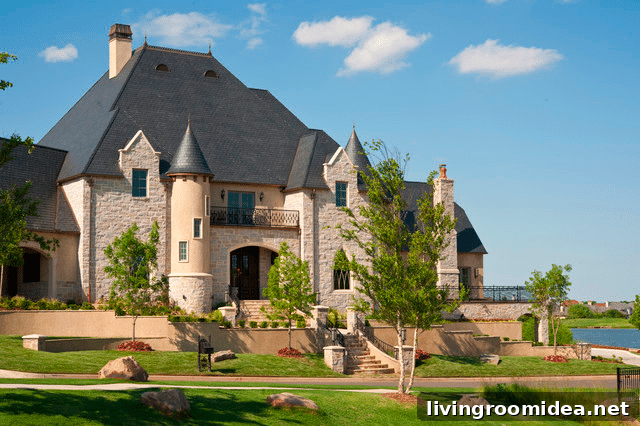
The exterior of a home sets the tone before you even step through the door. Thoughtful design balances curb appeal, practicality and a sense of welcome. Whether you prefer the refined lines of a traditional estate or the relaxed elegance of coastal living, the right exterior details create an inviting atmosphere that reflects your lifestyle.
Architectural Character
Architecture gives a house its personality. Classic elements—symmetry, balanced rooflines, and proportionate windows—lend a timeless, composed look. Materials like stone, brick and natural wood introduce texture and warmth, while thoughtful trim and shutters add depth and definition. Details such as gables, dormers or a covered porch can transform a straightforward façade into something memorable.
Outdoor Living Spaces
An exterior designed for living extends your home into the landscape. Patios, terraces and covered porches become outdoor rooms where you can entertain, relax or dine al fresco. Comfortable seating, layered lighting and durable textiles make these areas comfortable year-round. Integrating cooking areas or a fireplace creates focal points that encourage gathering.
Landscaping and Hardscaping
Well-planned landscaping enhances the architecture and frames the home. Use a mix of evergreen and seasonal planting for color throughout the year. Pathways, low walls and steps define circulation and organize outdoor rooms. Hardscape materials—natural stone, pavers or gravel—should complement the home’s style while providing practical, low-maintenance surfaces.
Lighting and Ambience
Exterior lighting does more than illuminate; it creates mood and improves safety. Layered lighting—accent, task and ambient—highlights architectural features, lights paths and extends usability into the evening. Warm-tone fixtures enhance the home’s texture and make entryways and outdoor seating areas feel inviting after dusk.
Color and Materials
Color choices and material palettes influence the overall impression. Neutral tones paired with natural materials read as timeless and sophisticated. Accent colors on doors, trim or shutters add personality without overwhelming the design. Consider how materials age and how colors look in different light to ensure longevity of the aesthetic.
Scale and Proportion
Proper scale keeps a home feeling grounded and comfortable. Oversized elements can overpower a lot, while undersized details may look insignificant. Proportion between windows, doors and rooflines should feel intentional—each element supporting the whole composition for a cohesive appearance.
Sustainability and Practicality
Durable materials, efficient irrigation and native plantings reduce maintenance and environmental impact. Thoughtful roof orientation and shading can improve energy efficiency, while permeable paving helps manage stormwater. Practical choices keep the exterior beautiful and functional for years to come.
Personal Expression
Your home’s exterior should reflect who you are. Whether through a bold front door color, unique planting choices, or a curated collection of outdoor furnishings, small touches personalize the overall design. Aim for consistency in style so personal elements feel integrated rather than tacked on.
Designing an exterior is about more than fashion—it’s about creating a place that welcomes you, performs well and endures. With attention to architecture, outdoor living, landscape, lighting and materials, you can craft an exterior that feels both beautiful and genuinely livable.