
 This post was sponsored by PODS®
Moving is one of life’s most stressful events. Whether you welcome change or dread it, the process can be intense: finding a new home, negotiating offers, securing financing, packing up an old house, arranging transport and help, and then settling into the new place. Each step brings decisions and pressure.
No two moves are exactly the same. Your season of life, health, children’s ages and school schedules, and local support networks all affect how the move plays out. Buying and selling during a move adds extra complexity, as does relocating to an unfamiliar area without nearby friends or family to help.
You don’t become a moving expert overnight because circumstances change each time. But experience does teach a few valuable lessons. Having just navigated a recent move, I wanted to share tips that helped us. They may not all apply to your situation, so please share your own tips in the comments so others can learn, too.
Below are practical pointers we found useful while house hunting, packing, and planning logistics — plus a few things we learned the hard way. This got long, so I split the content into two parts. I hope these suggestions save you time and stress during your move.
Note: PIN this post so you can find it later and share it with friends. Check out part two for more tips!
Moving could fill a whole series, but here are the main takeaways that mattered most to us.
1. Start your house hunt online.
Searching for a home is both exciting and potentially stressful. Start online to get a feel for what’s available, how long listings stay on the market, recent sales, and neighborhood details. Apps like Redfin can notify you about new listings within your chosen parameters and provide map and street view tools that let you preview properties remotely.
Use the map to note proximity to busy roads, parks, schools, or other amenities. Street view helps you see neighboring homes and the surrounding environment, which can reveal issues not obvious in listing photos — such as a property backing onto commercial development or an undesirable backyard view. Keep in mind Google Street View can be outdated, so a poor curb appearance in the images may have since been improved.
Online research doesn’t replace an in-person visit. If you can’t see a property yourself, ask a trusted friend or your realtor to preview it. Realtors often have additional background information, so let them know which listings interest you.
2. Drive through neighborhoods.
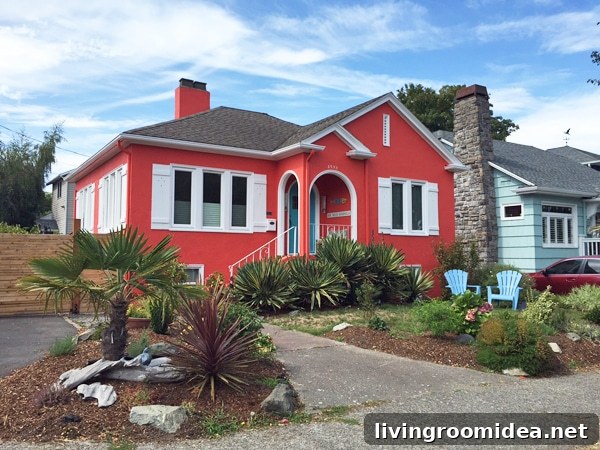
If possible, spend time driving and walking through neighborhoods you’re considering. That first-hand experience gives you better insight into what it would feel like to live there. Notice sidewalks, street trees, parking availability, nearby parks or shopping, speed limits, and typical traffic patterns to work or school. Walking streets will also help you get a sense for community character and whether the area feels like home.
3. Find a great realtor.
Your realtor will be an important partner during the search and purchase process. Choose someone you communicate well with and who knows the local market, property values, and construction issues relevant to the types of homes you’re considering. A good realtor cares about finding the right home for you, not just making a sale.
We had an excellent realtor who guided us through the Seattle market and made the process much easier. If you’re moving to a new city, ask for referrals from people you trust or read local reviews to find someone knowledgeable and responsive.
4. Find a great lender.
Start researching lenders as soon as you know you’ll be moving. Getting pre-approved before making offers speeds up the process and makes your offer stronger. Compare large banks with smaller lenders — smaller lenders can offer a more personal touch and faster communication, which is especially helpful for self-employed buyers or complicated loans. Ask your realtor for recommendations and call multiple lenders to compare terms and service.

5. Prepare ahead to move out.
Moving tasks add up quickly, so planning ahead prevents things from slipping through the cracks. Start packing early — ideally before your home is listed. Use the move as a reason to declutter: be ruthless about donating, selling, or recycling items you no longer need. The less you bring, the faster unpacking will be.
Decide which bulky or awkward items are worth the cost to move. Consider selling large furniture or appliances if it makes sense. Also think about plants — many don’t travel well and might be better given to friends, neighbors, or the new owners.
Arrange a plan for pets so they aren’t stressed by packing and movers. Keep them somewhere safe and quiet on moving day to avoid escapes or trauma. Schedule professional help early: PODS-style containers can be useful when your move-out and move-in dates don’t align, because you can load your belongings and keep them in secure storage until delivery. If hiring local movers or labor, book them ahead of peak moving season to secure your dates.

Other practical tasks to schedule before moving day: forward your mail with the post office, notify utility companies of final service dates, and line up essential local services near your new home such as doctors, veterinarians, and grocery or gas stations. Stop buying perishables a week before moving and use up what you have — invite friends over to help clear the fridge if necessary.

There’s a lot more to cover, so I’ll share additional tips in part two. For now, what are your best moving or packing tips? Please share them in the comments so we can all learn from each other.
Thanks again to PODS for partnering with us on this move.
Click HERE to see PART TWO of these moving tips.