
Finding Peace & Quiet
There are times I need to withdraw even when I’m at home. My house can get very noisy, and I value quiet—so I find ways to step away.
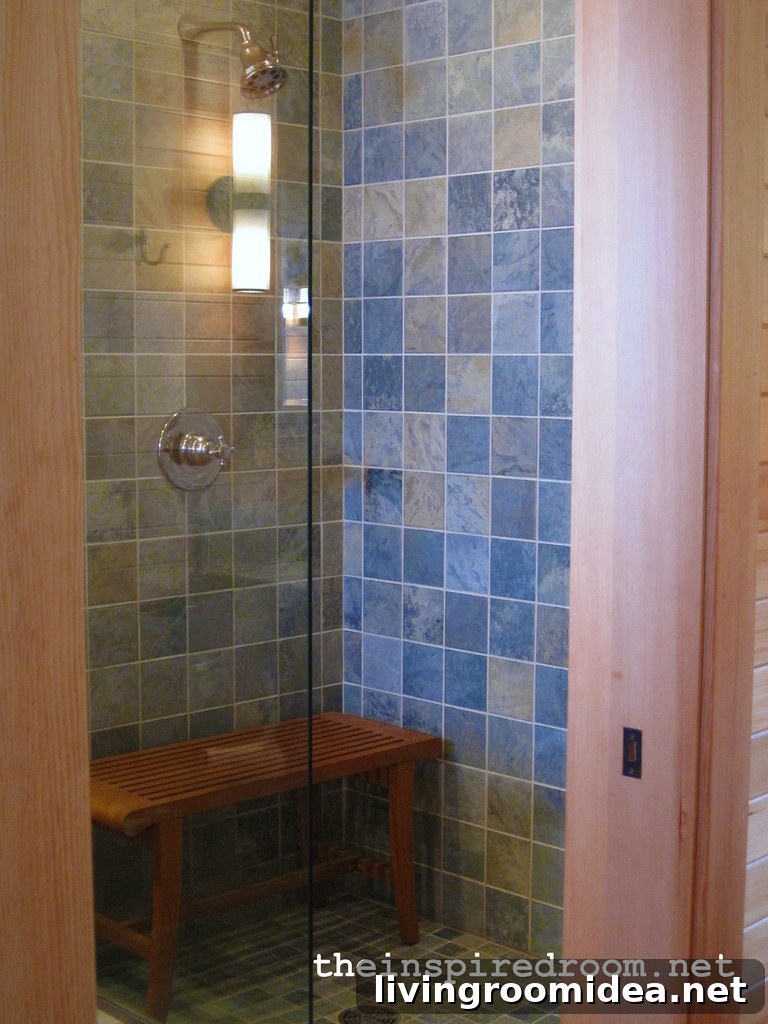
For me, the shower became a refuge. When my children were little, I would close myself in the bathroom just to get a few moments alone. It wasn’t perfectly quiet then—there would be pounding on the door and tiny voices calling, “Mommy! Are you in there? Come out, Momma!” Now that my kids are older and more independent, I can escape to the shower and listen only to the steady rhythm of water. It feels like bliss.
Although I spend a lot of time with other people (and I love my family), I still crave genuine solitude—more than the mere absence of noise. Solitude is a chance to breathe, reflect, and recharge.
Finding quiet doesn’t require extreme measures. Simple adjustments—locking a door for a short time, stepping into another room, or creating a small routine such as a few minutes of uninterrupted silence—can provide the space needed to center yourself. Even brief pockets of solitude can restore patience and clarity.
When seeking solitude at home, consider small practical steps: set clear expectations with family members about when you need a time-out, choose a place where you aren’t easily interrupted, and use predictable routines so everyone knows when you’ll be unavailable. Physical signals like a closed door, a sign, or wearing headphones (even if you’re not listening to anything) can help train others to respect that boundary.
Beyond practical tips, solitude offers emotional and spiritual benefits. It allows us to process thoughts without interruption, to notice the subtleties of our feelings, and to reconnect with what matters. It also teaches children how to handle brief periods alone and models healthy boundaries.
Striving for pockets of quiet doesn’t mean avoiding relationships or isolating yourself. It’s about balance—honoring both connection and the need for personal space. When you return from solitude, you’re often more present, more patient, and better able to engage with the people you love.
If you’re searching for ways to weave solitude into a busy life, start small. Identify a few minutes each day when you can be alone, make that time predictable, and protect it consistently. Over time, those moments add up and become a renewing practice.
Quiet isn’t merely the absence of sound; it’s a space for clarity, rest, and renewal. Whether it’s the shower, a corner of a room, or a brief walk, finding even small places of solitude can transform how you feel and how you relate to others.
Today at (in)courage I’m sharing some helpful tips and insight into our need for solitude and how to find it.