
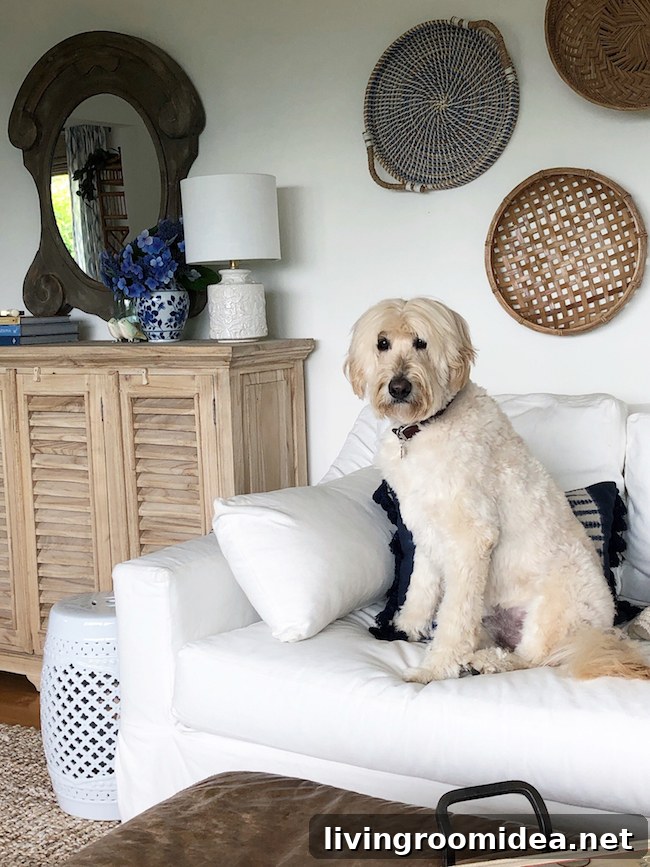
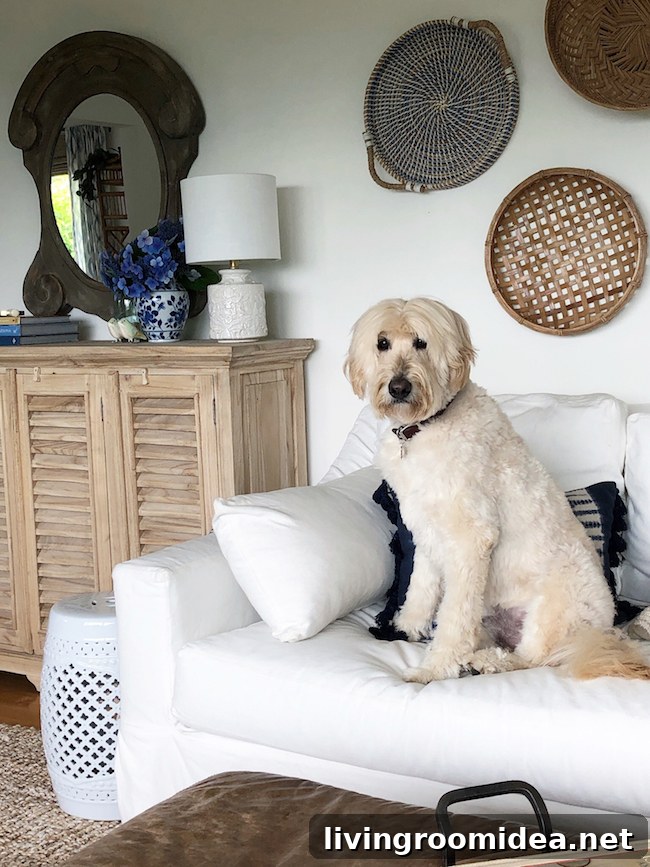
IIf you struggle to find enough storage in a small home like I do, here are practical small-space tips and tricks to help you make the most of what you have.
This post is in partnership with World Market
A question that comes up every season
Where do you keep decorative items that are fun for a season but that you don’t want out year-round?
And how do you prevent limited closets and storage areas from becoming overwhelmed by clutter?
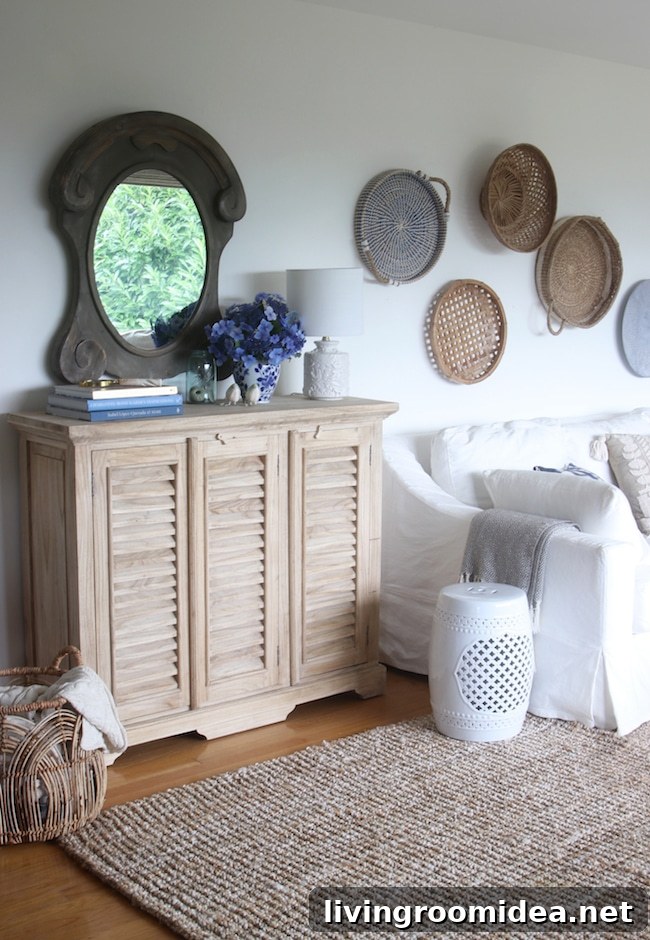
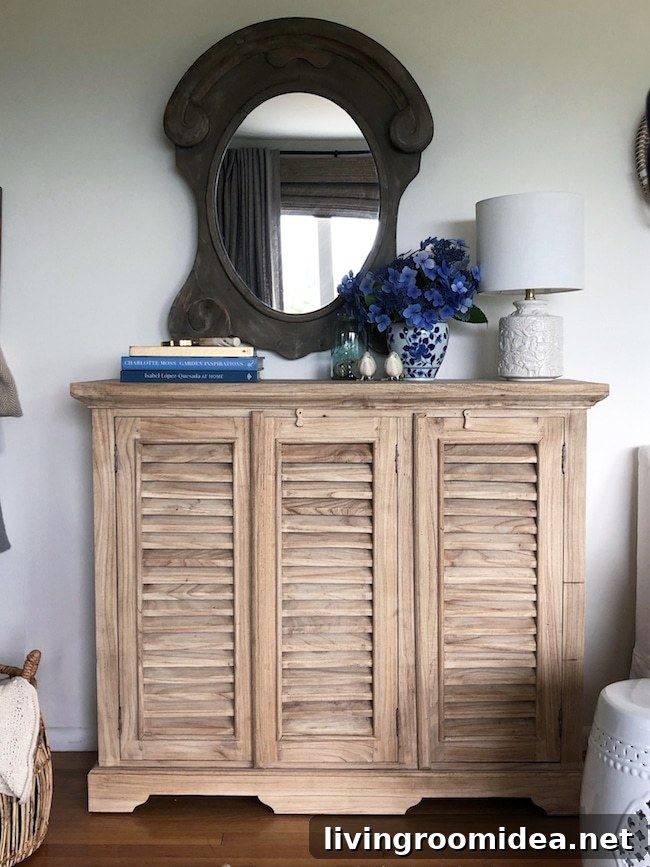
More style with more storage is my guiding idea when furnishing rooms. When I spotted this coastal-style cabinet at World Market I immediately loved its look and versatility. It’s compact enough to tuck into many spots around the house and useful enough to serve more than one purpose.
The cabinet’s size and style make it a smart addition to a small space. Because it can do double duty—adding style while providing storage—it became an obvious choice for my home.
Note: World Market often runs furniture sales—check local listings for current offers and promotions.
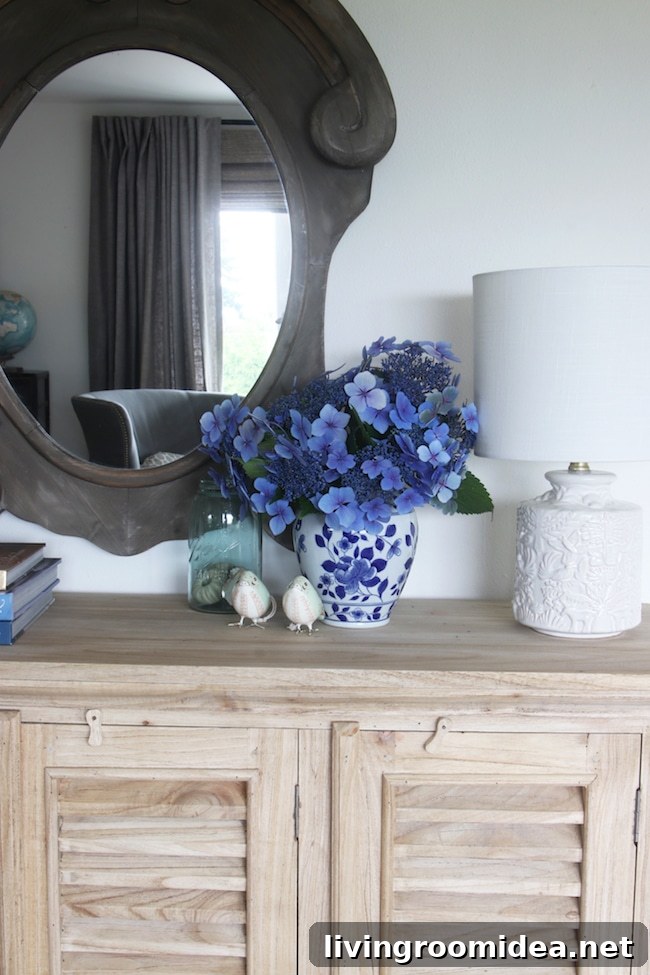
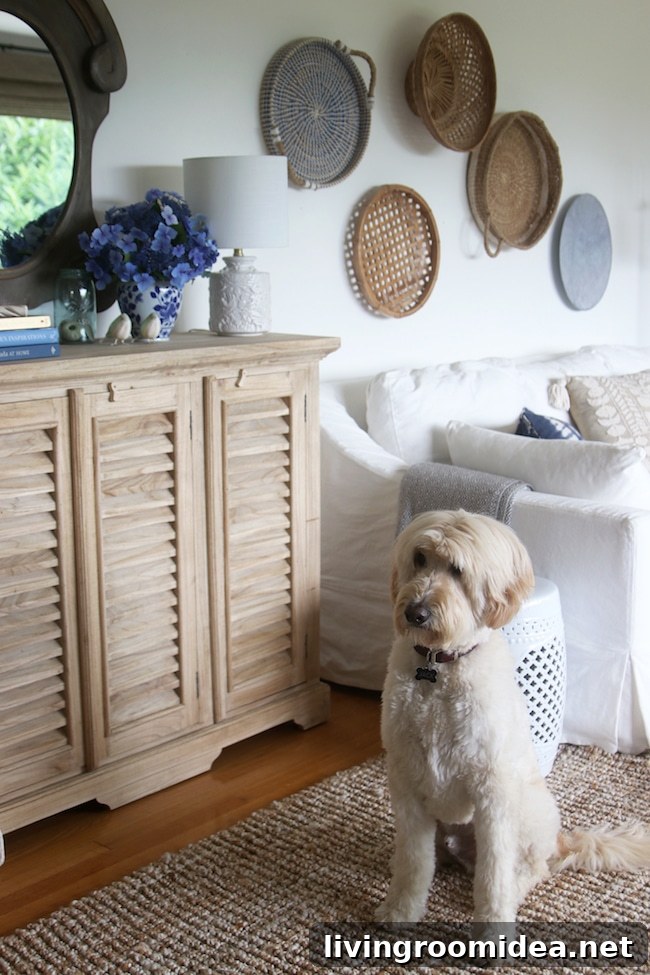
Some people choose to simplify or embrace minimalism because they don’t have room for extras and want to avoid clutter entirely. I understand that impulse, and I also try to keep things simple.
At the same time, I believe in making room for the things I love. I write about simplifying and the mindset behind it in my book, and I try to balance a tidy home with the joy of seasonal decorating.
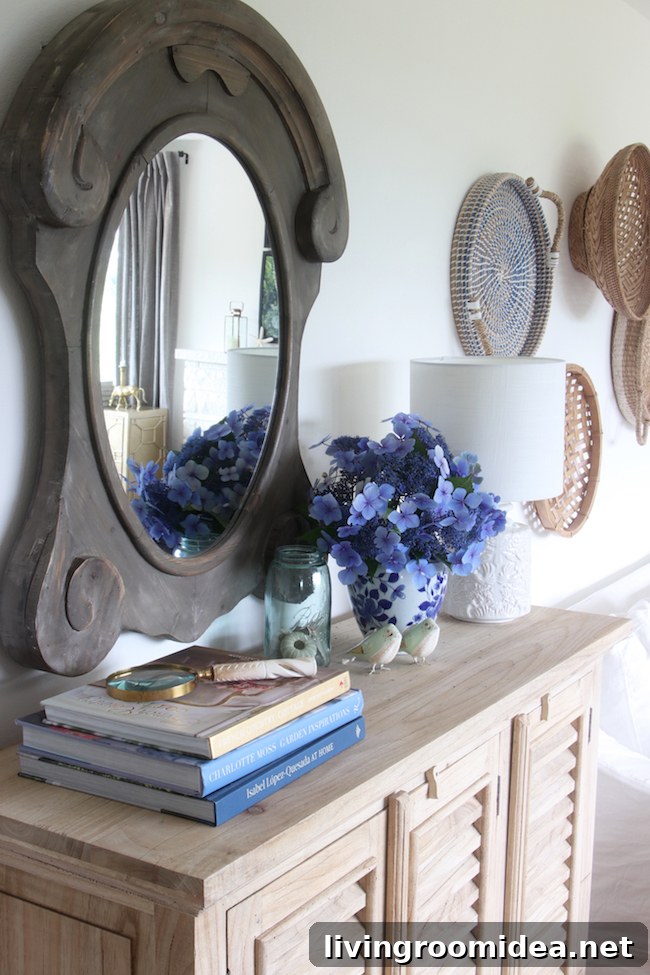
I don’t keep a large collection of season-specific decor, but I enjoy swapping small accents as the seasons change. The trick is storing those items where they are accessible—if you bury them in the garage, attic, or the back of a closet, you’re unlikely to use them.
When seasonal items are hard to find or retrieve, they quickly become clutter. That’s why I aim to store items where I can easily reach them and enjoy them often.
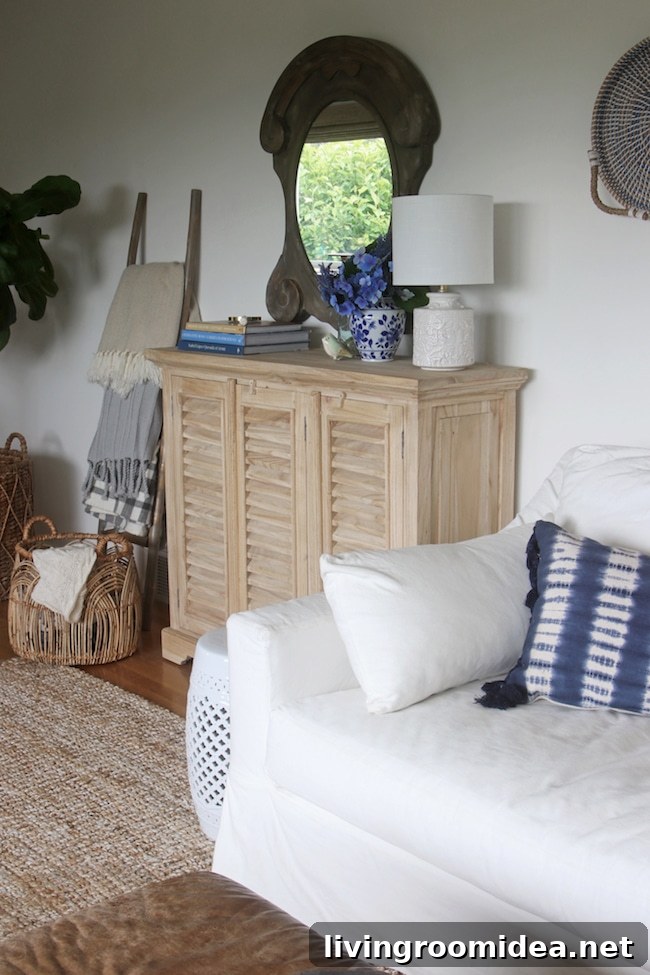
My small-space solution for organizing decorative and seasonal accessories is to use baskets, small cabinets, dressers, and nightstands throughout the home. These pieces offer stylish storage that’s both functional and easy to access.
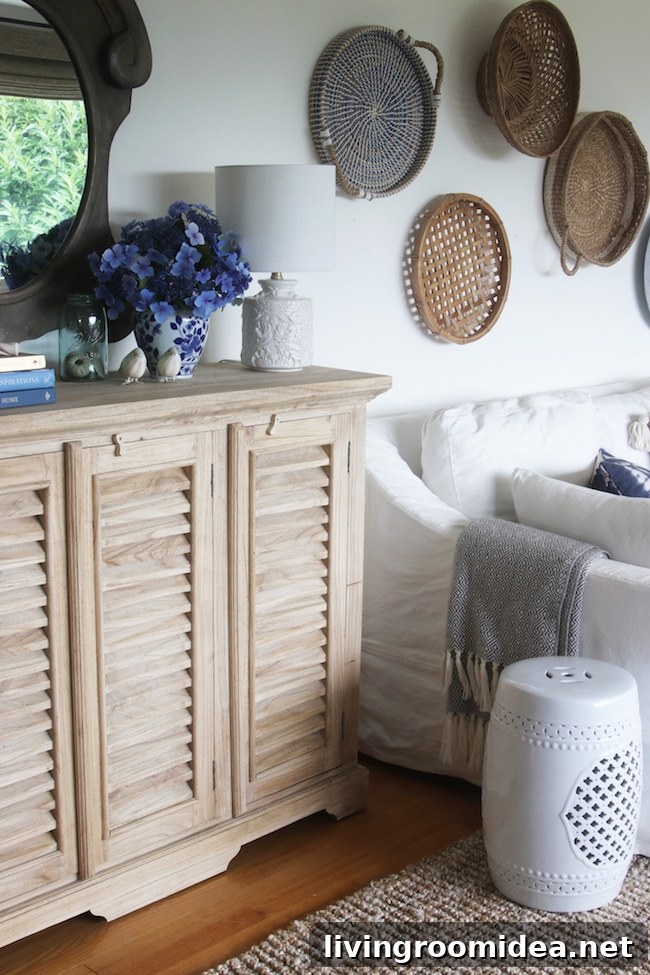
If a cabinet occupies floor space in any room, it should serve at least two purposes. First, it should add style and provide a useful surface—holding a lamp, a plant, or acting as an end table. Second, it should have a specific storage purpose so it doesn’t become a catchall for random items.
Give each cabinet a defined role—gift wrap storage, table linens, media, or craft supplies—and stick to that purpose. A clear rule prevents the space from sliding into clutter.
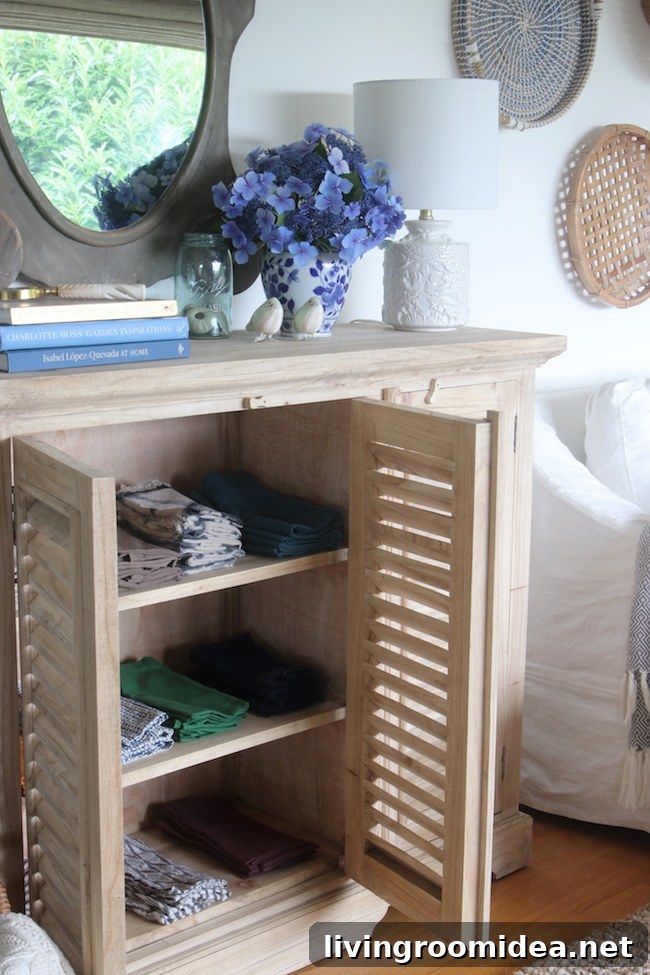
I love setting the table for gatherings, which means I collect napkins, placemats, dishes, and small accessories. If those items aren’t stored somewhere convenient, I won’t use them. That’s why accessible storage matters.
My new cabinet is now my dedicated cloth napkin cabinet. Because the napkins are easy to reach, I’m more likely to use them—and I’m tempted to add more to my collection now that they’re neatly stored.
I dream of having stacks of pressed cloth napkins ready whenever I need them—though I admit I rarely iron, so that might remain a dream!
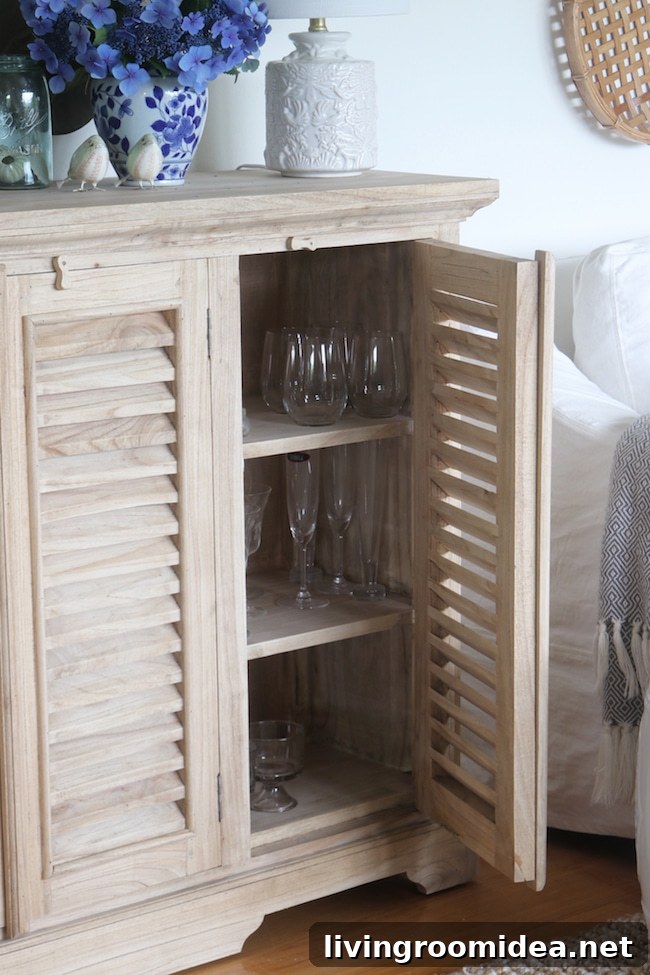
Previously, I stored napkins in a different dresser. When that piece moved to the guest room it no longer made sense to keep table linens there—asking guests for access was awkward. Now the dresser holds guest sheets and towels, which fits its purpose better.
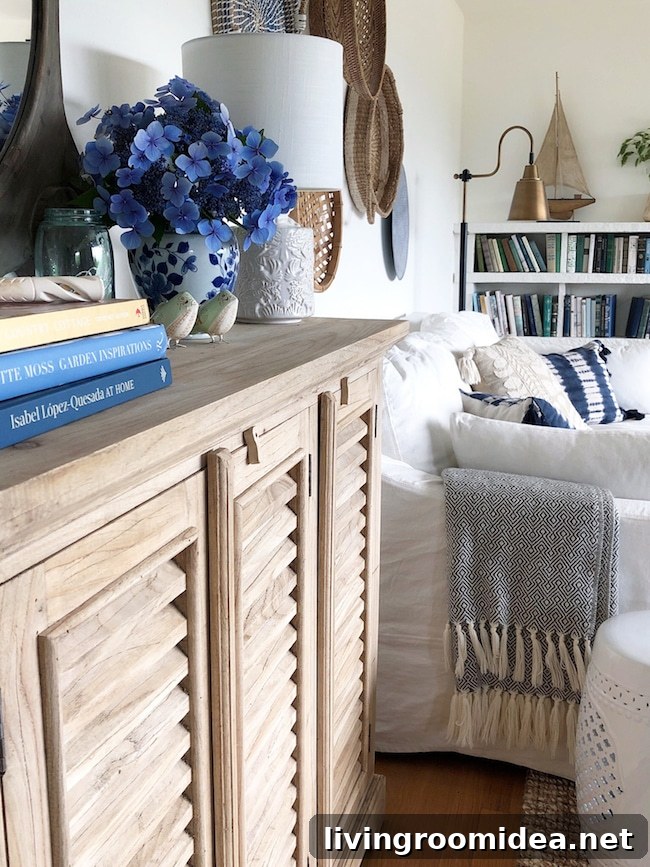
I’ve repurposed cabinets in multiple homes and rooms. That flexibility is a major benefit for small spaces: you can move storage pieces to suit changing needs, mix styles, and bring them along when you move.
Where do you store your seasonal items?
A few small-space tips: use furniture that offers both function and style, assign a clear purpose to each storage piece, and keep frequently used seasonal items within easy reach so you’ll actually use them.

Furniture pieces I recommend (on sale):
My gray glass-door dining/media cabinet
My laptop table
My daughter’s wood desk
Courtney’s drop-leaf small-space dining table
My white-and-wood macramé stool with tassels
The shutter cabinet featured in this post

Shop sale furniture and look for pieces that combine storage and style to make small spaces work harder for you.