
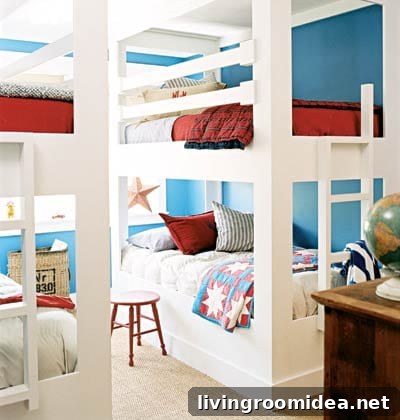
Do your kids (or grandkids) share a bedroom with a sibling or for sleepovers? One of my favorite memories is standing by my daughters’ bedroom door after bedtime, listening to them chat about their day. Their whispered conversations, laughter and late-night storytelling created quiet moments of connection I still cherish. Those small rituals—saying goodnight, hearing them trade secrets—formed bonds that have lasted into adulthood.
They didn’t always enjoy sharing a space, and we had our share of disagreements—one daughter liked things tidy while the other was messier—but overall those shared years were valuable. Living together taught them to share, cooperate and be aware of someone else’s needs. Those lessons in patience and flexibility were as important as any toy or lesson plan.
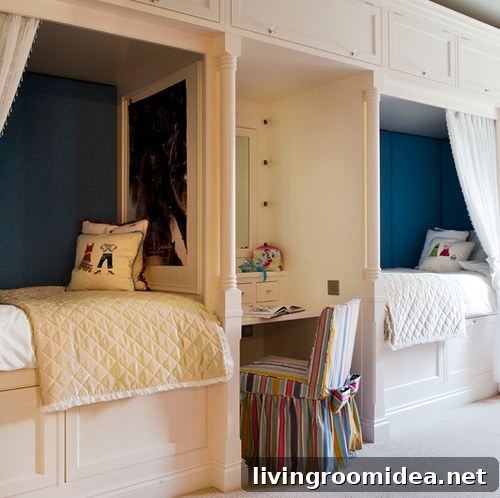
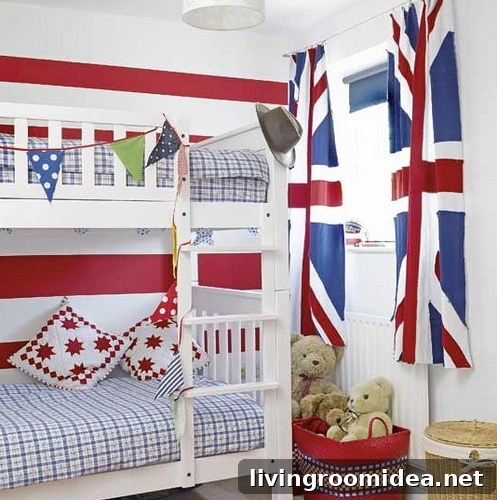
Over the years our kids have shared rooms in many different configurations. Right now my 9-year-old son is temporarily sharing a room with his 18-year-old sister because he generously gave his room to a friend staying with us. He doesn’t mind at all—he loves being together—and I enjoy hearing their late-night conversations. My daughter might prefer a tidier room, but with college on the horizon she’s savoring these moments with her little brother.
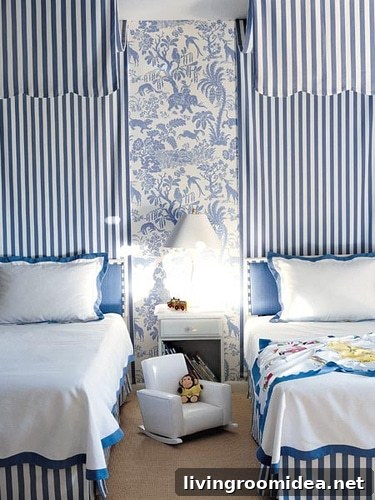
Even when every child had their own bedroom, we kept extra beds for sleepovers. Twin beds, trundles and bunk beds are practical and charming—whether at home or in a vacation house, having options for overnight guests makes hosting easier. A room designed for more than one sleeper can be both functional and cozy.
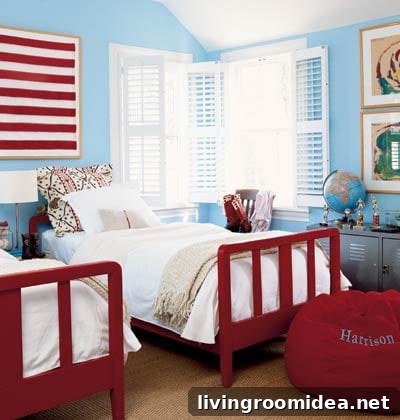
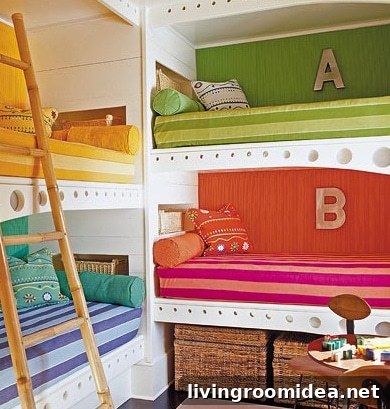
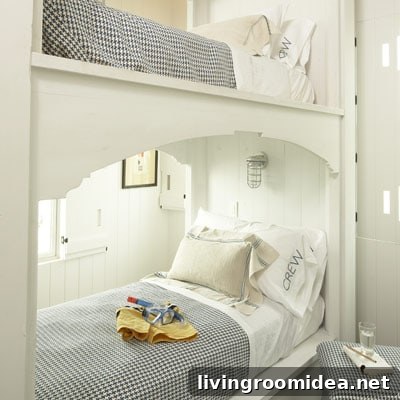
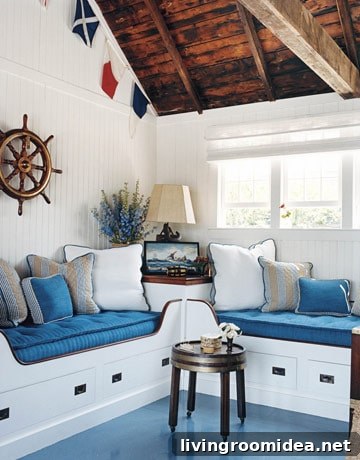
Some built-in beds look elaborate, but many projects are achievable for a handy DIYer. Built-ins, bunk beds and trundles can be adapted to fit hallways, alcoves or compact rooms. You don’t need a large bedroom to sleep more than one child—creative planning and smart storage make small spaces work hard.
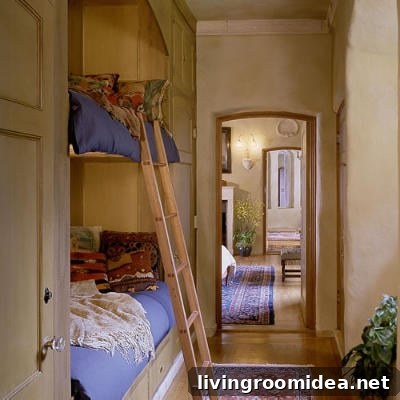
If space is tight, keep toys and playthings in a separate room or dedicated bins under the bed. Separating storage from sleeping areas reduces clutter and helps bedrooms feel calm. Even when we had multiple bedrooms, we often used one room for sleeping and another as a play space—less mess at bedtime made everyone happier.
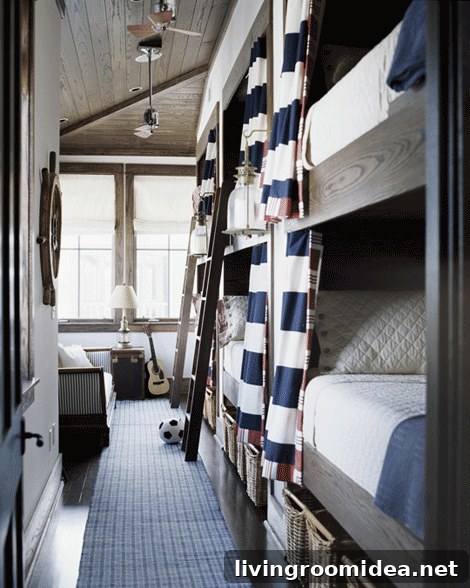
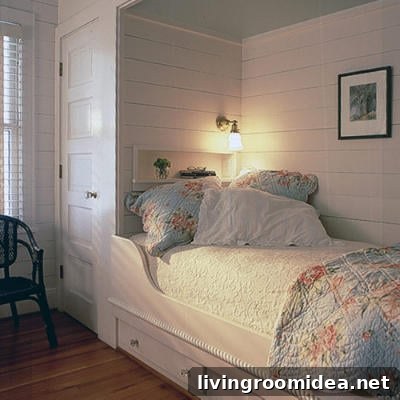
Built-in twin beds using closet walls as headboards and drawers underneath are a smart use of space. These setups maximize storage while keeping the room organized. Whether you choose customized built-ins or simple freestanding beds, aim for solutions that balance comfort, storage and easy maintenance.

Sharing a room can be a practical choice for large families, small homes or memorable sleepovers. There are pros and cons, but with thoughtful design and clear expectations it can foster closeness, cooperation and lasting memories. Have fun planning a room that suits your children’s needs and personalities.
Coordinate bedding for a cohesive look—use matching sets in different colors or the same pattern for each child. Painting bed frames the same color also unifies the space.
Provide individual reading lights and personal storage such as drawers or closet space so each child has a private spot for belongings.
Give every child a bulletin board or display area to showcase their own artwork, photos and schoolwork while keeping the room organized.
Let children express their personalities without creating visual conflict. Matching frames, coordinated colors or harmonized accessories allow individuality within a balanced design.
Agree on simple rules—lights-out times, respect for personal space and shared chores help prevent conflicts and keep the room peaceful.
Share your tips, memories and thoughts about children sharing rooms in the comments.