
Treasure Hunt Ideas
Looking for fresh, creative ideas for a fun treasure hunt? Want simple, memorable activities for family time at home or around the neighborhood this summer? Why not plan a pirate-themed treasure hunt or pick another theme your kids love. Our family tried it recently and it was a hit.
My husband enjoys crafting clever clues and turning an ordinary afternoon into an adventure. A treasure hunt works especially well for families with children of different ages because you can tailor clues and hiding spots to challenge older kids while keeping things easy and visible for younger ones. It’s an affordable activity that creates lasting memories without needing a big budget.
This particular hunt was a pirate adventure for our son. With a little planning, a handful of inexpensive props from the dollar store and some imagination, we had everything we needed. The key is to plan clues that lead from one spot to the next and to use the environment—indoors and outdoors—to make the search interesting.
For younger children, hide items in plain sight and use simple pictorial clues or rhymes. For older kids, create riddles or multi-step challenges that direct them to clever hiding places. You can vary difficulty so everyone stays engaged: mix straightforward finds with spots that require thinking, measuring or teamwork.
Try incorporating simple navigation and problem-solving skills into the hunt. Have kids measure distances with a tape measure to find a buried prize, use a compass to follow directions from a landmark, or count steps from a tree or fence. Scatter clues around the yard or house so they have to search, solve, and move. The activity encourages cooperation, creativity and outdoor play, and it turns a regular day into a special event your family will remember.
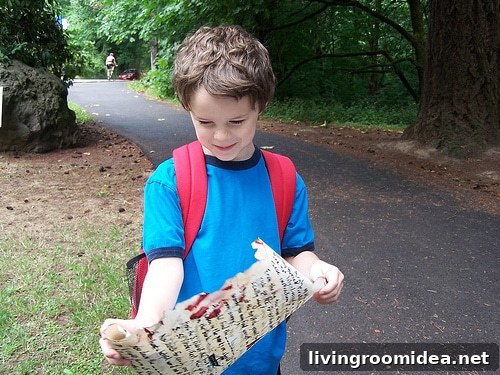
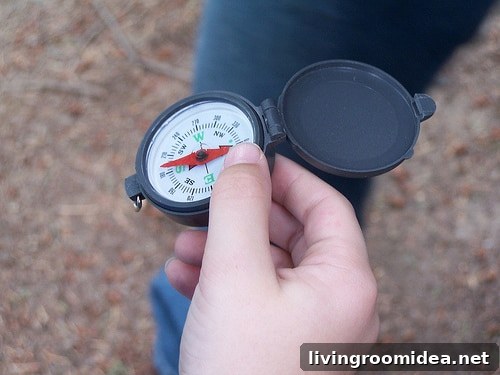
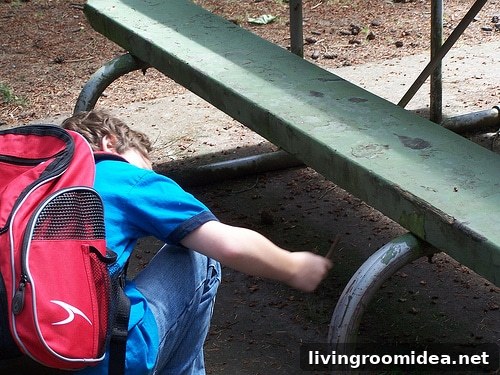
To make your hunt more immersive, add a few small props like costume pieces, a faux map, a treasure chest (or decorated box) and a few themed trinkets. Use creative clues: short poems, picture hints, or simple puzzles. Encourage clues that require collaboration—tasks where one child reads a riddle and another measures or counts steps—so the whole family gets involved.
Outdoor hunts can be especially fun. Hide clues by garden fixtures, tuck a note under a porch step, or attach a hint to a tree branch. For indoor or rainy-day hunts, use rooms as “islands” and furniture as landmarks. You can also set up stations with small activities—solve a puzzle, find a shape, or complete a quick task—to earn the next clue. This keeps energy up and adds variety to the experience.
Safety and fairness matter: be mindful of hiding spots near hazards and make sure clues are age-appropriate. If several children are participating, consider creating parallel clue paths or teaming older kids with younger ones so everyone has a chance to contribute and enjoy the search.
At the end of the hunt, celebrate with a small prize or a themed snack. The reward can be simple—a handful of chocolate coins, a favorite treat, or a certificate that grants a fun privilege. The celebration is part of the memory and reinforces the teamwork and excitement of the event.
Treasure hunts are a flexible way to spend quality time together. They foster creativity, encourage physical activity and give children the thrill of solving mysteries. Whether you choose pirates, explorers, detectives, or a nature-based theme, planning a hunt takes a little effort and loads of imagination—and it pays off with laughter and shared memories that last long after the treasures are found.