
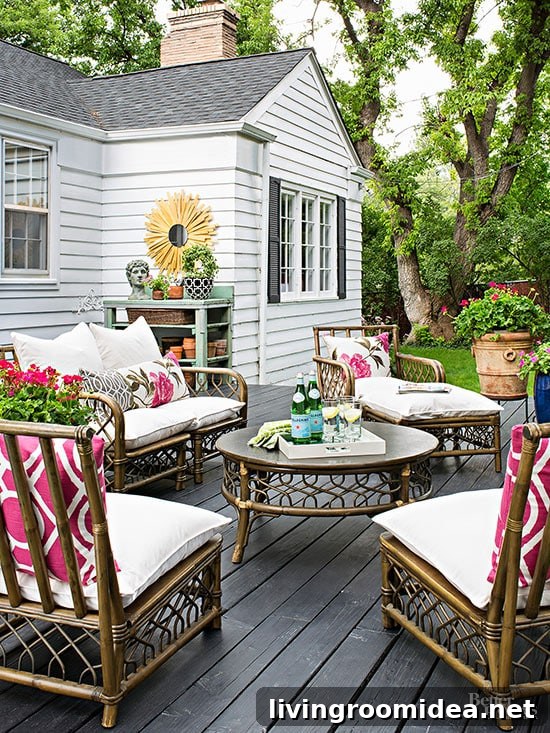
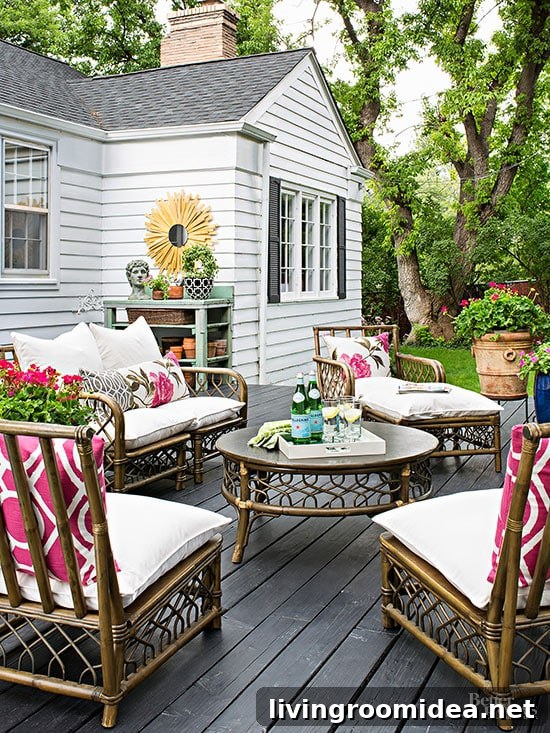
 via BHG and Simple Details Blog
As we work through renovating our side yard and plan an interior remodel, one lesson keeps standing out: there’s a single mindset that makes the difference between a stressful, drawn-out project and one that actually goes well. If you don’t have this, you probably shouldn’t start renovating yet.
Flexibility is essential for a successful remodel.
It’s great when everything unfolds exactly as planned, and that’s a worthy goal. But expecting every detail to go perfectly sets you up for stress. Preparing ahead for the inevitable surprises and being willing to adapt will make the whole process smoother and far more enjoyable.
Flexibility reduces stress.
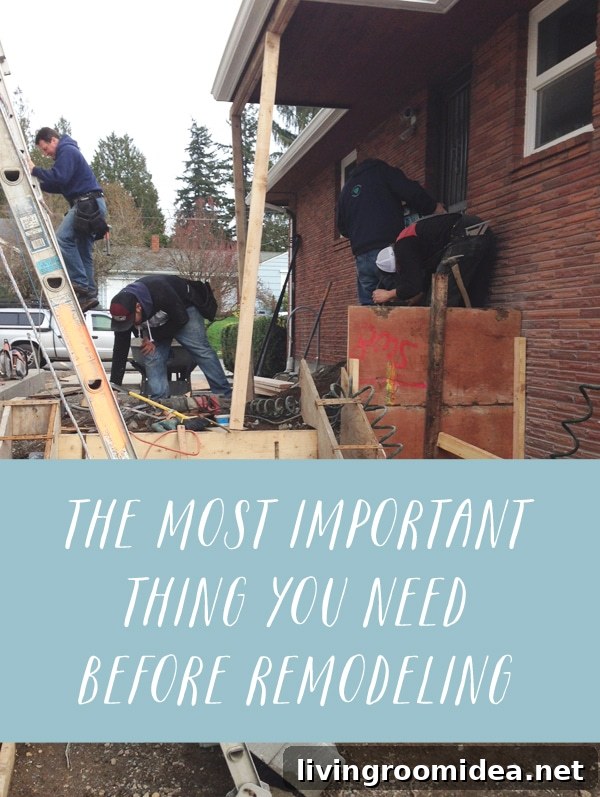
For example, we were told last week that concrete would be poured—then it wasn’t. No contractor error, just weather. If we’d planned a big event for next week, that delay would have caused a lot of frustration. During renovations you’ll face inconveniences: exposed yards without fences, contractors working near windows or inside the house, temporary mess and materials stacked outdoors. These projects often bring chaos, mistakes and scheduling changes. Being able to go with the flow keeps your stress levels down and helps you feel more in control.
Flexibility opens the door to better decisions.
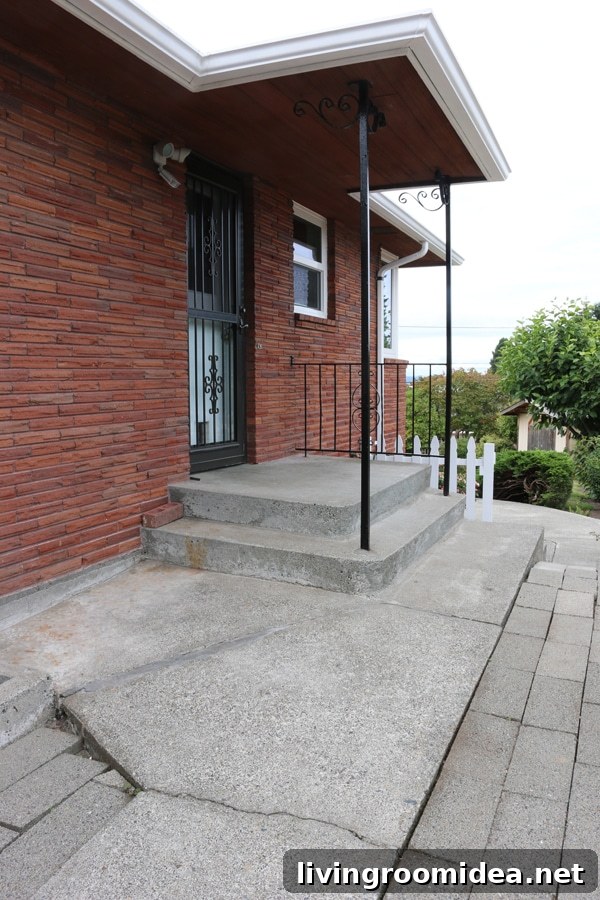
Once work began, we realized the porch we’d planned to keep wouldn’t look right next to the new patio and steps. Leaving it as-is would have left us disappointed with the final result. Because we stayed open to changing our initial plan, we chose to redo the porch so it would flow visually with the new concrete and the future Dutch door we’ve been dreaming about. Embracing flexibility allowed us to make the decision that improved the overall outcome.
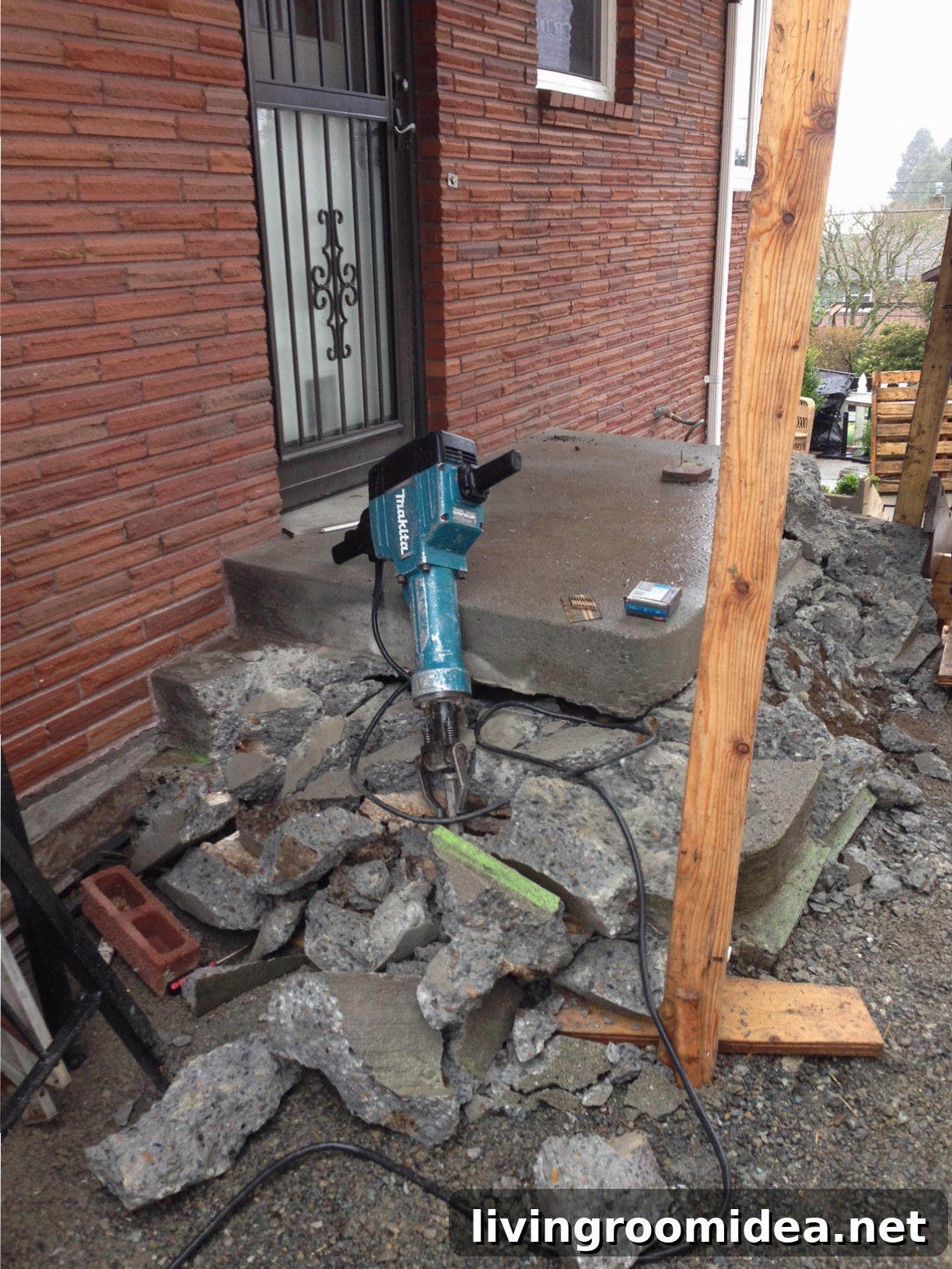
Flexibility lets you fix mistakes before they create bigger problems.
Initially we hesitated to redo the whole porch to save money, but that delay ended up costing us more. If we’d been willing to adjust the plan and budget sooner, we could have avoided additional expense. Being flexible sometimes means swallowing pride, adjusting the budget, and correcting a course so you don’t compound issues and regret them later.
Flexibility helps you navigate decisions without breaking down.
Remodeling throws surprises at you. You may change your mind about scope, disagree with a partner, or discover hidden problems the contractor didn’t expect. Flexibility helps you make decisions calmly, collaborate effectively, and stay sane through the process.
Flexibility can save money and inspire creative solutions.
Being flexible doesn’t mean spending more—it often means spending smarter. Grouping projects can reduce labor costs, and choosing solutions that fit your current budget lets you complete meaningful work now while saving other items for later. For our side porch, choosing less expensive concrete surfaces instead of costly stone allowed us to stay on budget and postpone additional upgrades until we’re ready. Flexibility lets you prioritize and pace projects in a way that suits your family’s needs.
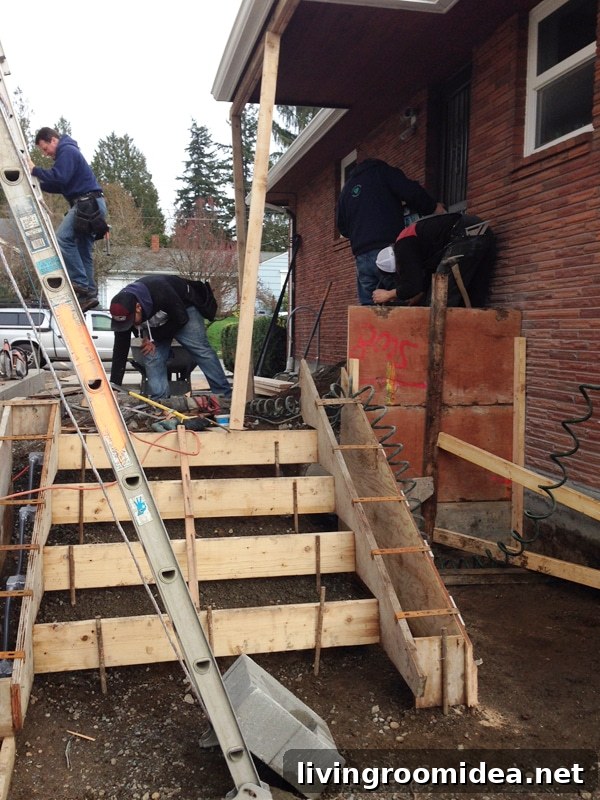
Wanting everything finished immediately is tempting, but patience paired with flexibility produces better results. Being content with incremental progress prevents overspending and keeps the project moving forward without unnecessary stress. In our case it meant focusing on the side porch this year, starting outside before moving inside, and being willing to accept practical surfaces for now so we can do higher-end finishes later.
Renovating—inside or out—can be stressful and costly, but the more flexible you are, the better the outcome for your project, your budget, and your peace of mind.