OWhen we decided to remodel our kitchen, I knew this was not a project to approach casually. Without a designer or architect guiding the choices and with a limited budget, I had to make thoughtful decisions from the start. This remodel wasn’t a quick fix and it wasn’t inexpensive, so I treated it as a one-shot opportunity to get the room right and keep costs under control.
That pressure felt heavy at times, especially because many friends were curious to see the finished space. Now that the kitchen is complete, I can breathe easier and reflect on what worked. I want to share the practical lessons I used during the design process — helpful ideas whether you’re planning a full remodel or a smaller update.
Since the project turned out as I hoped, here are several tips I relied on. I’ll share more details in future posts, but these core principles guided my choices and kept the remodel focused and intentional.
1. Allow enough time for research — don’t rush into a full remodel.
Unless you have a professional team and a flexible budget, give yourself ample planning time. The best outcomes come from exploring ideas, comparing options, and allowing room to change your mind before committing to purchases or construction. Rushing can lead to costly mistakes or design choices you later regret.
2. Keep the existing footprint when possible.
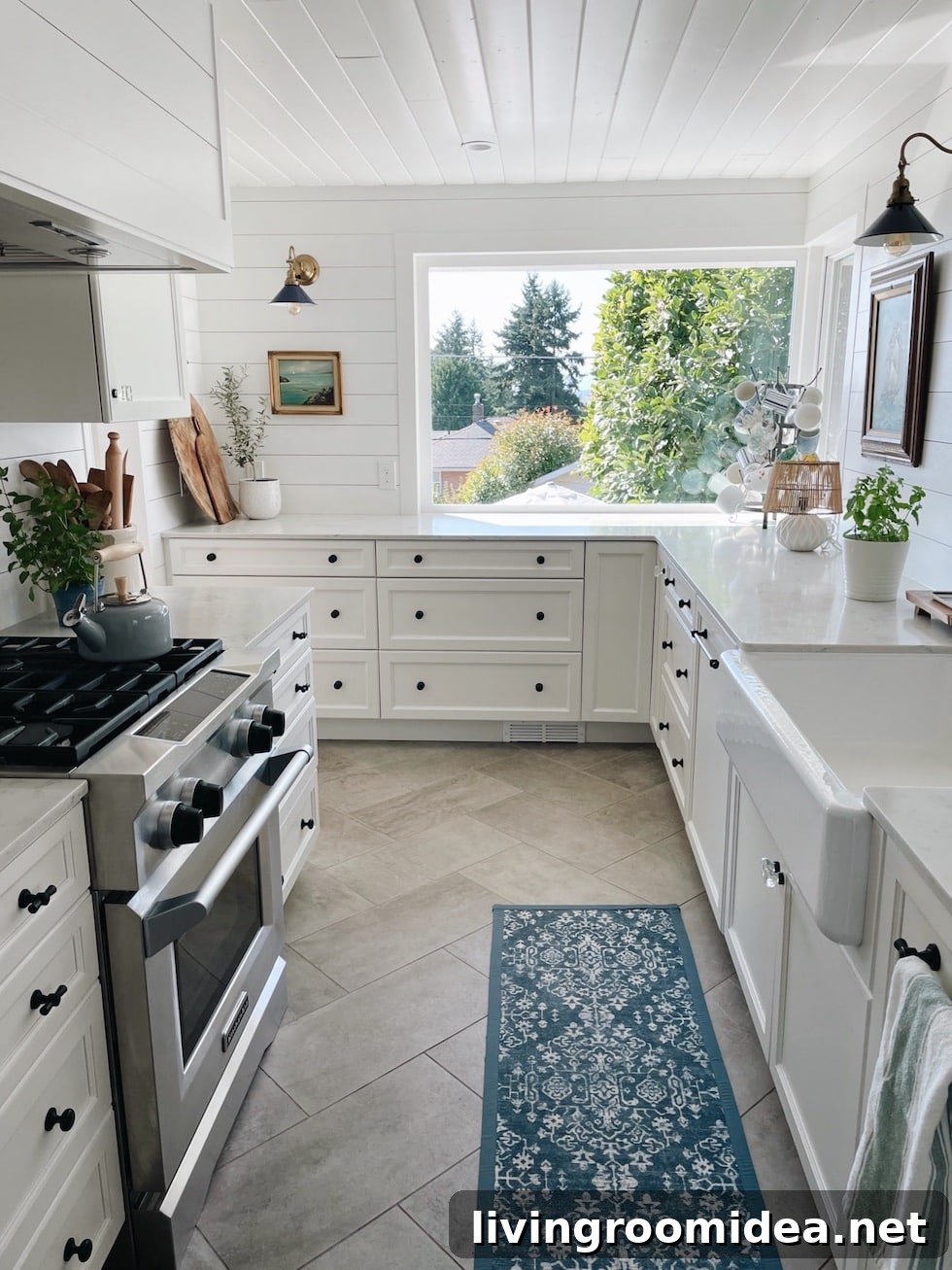
If your budget is limited, consider leaving major elements like plumbing, walls, appliances, and windows in place. Preserving the existing footprint reduces demolition and rework costs, letting you spend more on the design features that will have the most visible impact.
3. Start with a non-negotiable feature.
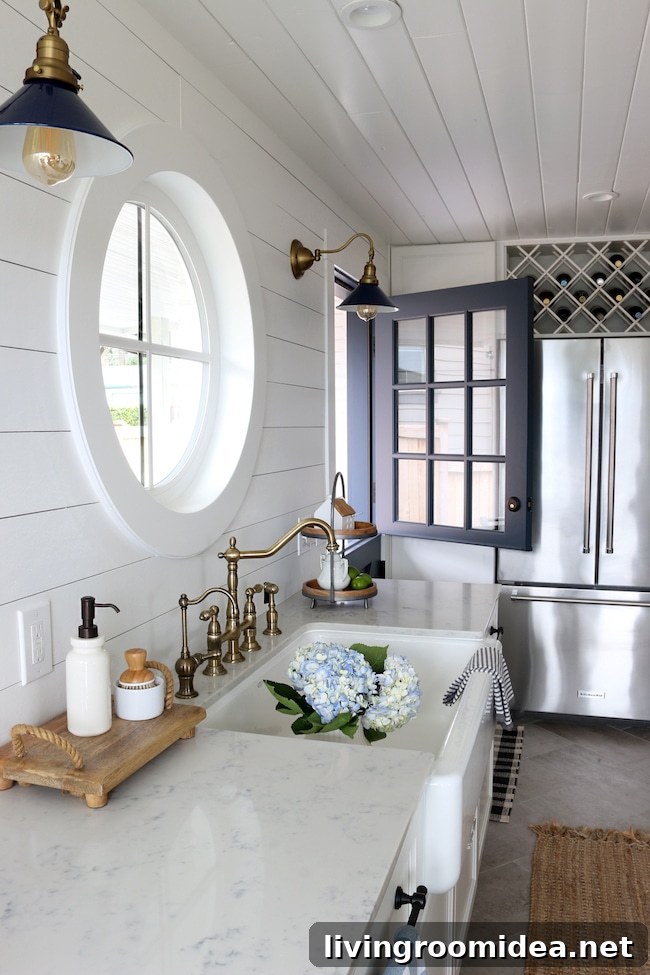
Identify the one element you want above all else and make it your starting point. In a small kitchen, you can’t include every idea you like, so deciding on a single non-negotiable feature simplifies the rest of the design and the budget. For me, that was a dark navy Dutch door — it became the anchor for every other choice.
4. Design focal points as a cohesive whole.
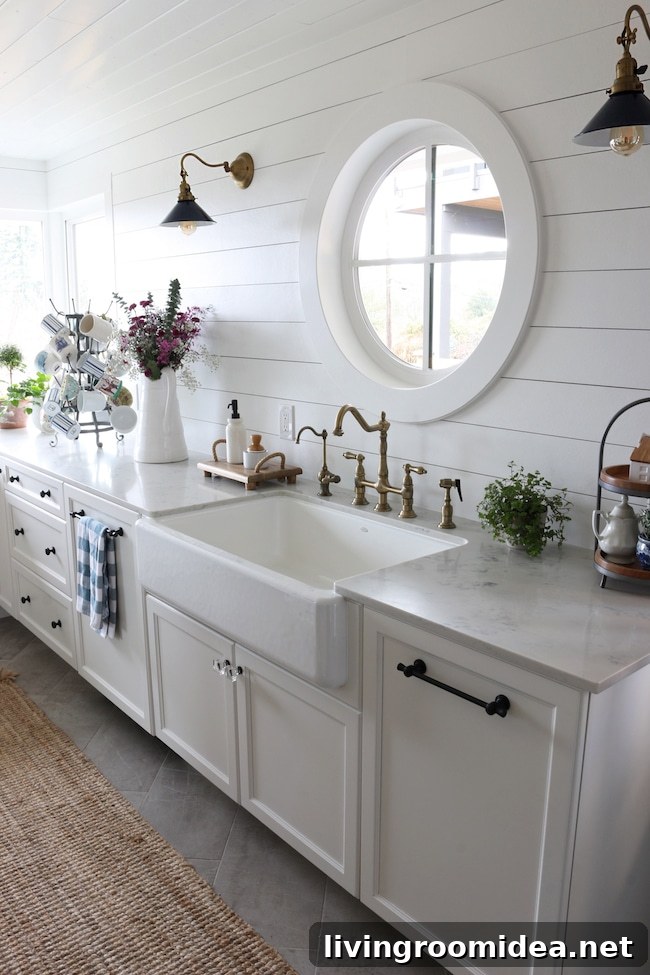
Think of focal points as collections of elements that must work together: sink, faucet, window, lighting, hardware, and colors all contribute to a single visual statement. Avoid choosing each item in isolation; instead, consider how neighboring pieces support or compete with your primary focal area.
In my kitchen, a new round window replaced the original small window and became a bold visual centerpiece. Because the shape itself already makes a strong statement, I kept the trim white to avoid adding competing contrast. That restraint allowed other important elements — like the large back window view and the dark navy Dutch door — to coexist without clashing.
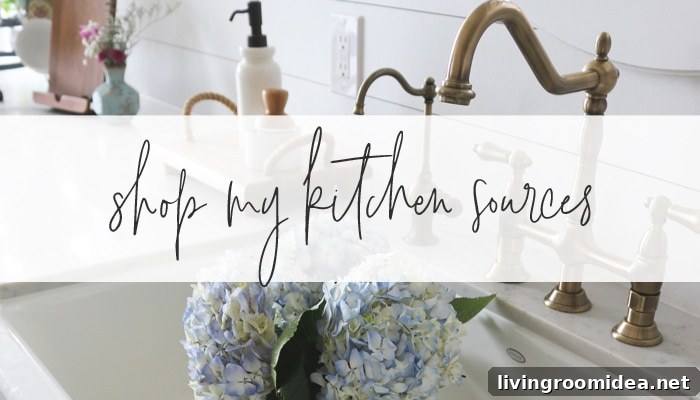
To finish the focal composition, I chose antique brass finishes for faucets and lights to introduce warmth and continuity of material. Dark lamp shades and hardware helped balance the look and reinforced the contrast introduced by the dark door.
Are you remodeling or updating a kitchen this year? What decisions feel most challenging to you?
Related Posts:
Click here for My Kitchen Reveal & Tour and Click here for my Kitchen Source List