
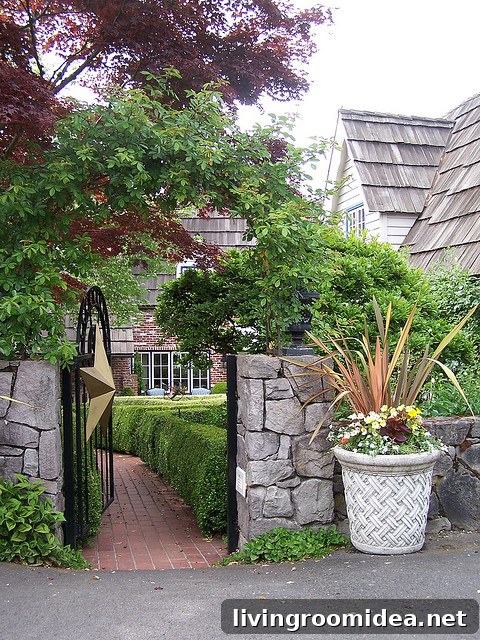
(I’d take this house, wouldn’t you?)
I started this blog feeling unsure and a little intimidated. Back then I worried that my small budget, limited time, and basic skills would make my posts unappealing compared with those who could afford to remodel or hire professionals. I certainly wasn’t one of those people. I had to work with what I already owned, make do, and improvise.
Over the years I’ve learned there are many readers who feel the same way: we love beautiful homes, but our own spaces are rarely perfect. We dream, but we also get realistic. We become creative problem-solvers and find ways to make our homes feel like us without overspending.
Practical advice that helps you solve problems and move forward with creating a lovely home on a budget is more valuable than many of us realize.
Looking back at earlier posts can be a little embarrassing—my photos were tiny and my posts were amateurish at first—but the core principles I shared from the beginning still hold true. My taste and skills have evolved, but the timeless advice remains useful regardless of fads.
For fun, I reviewed old posts and pulled together a few that sum up simple, timeless advice for creating the home you want without a big budget.
4 Steps to Creating the Home You Want:
1. Keep it simple.
Simplifying your approach is the fastest path to the look you want. My early posts recommend using fewer, larger, and bolder accessories to create impact. Swap out many small trinkets for a few statement pieces—this instantly feels cleaner and more intentional.
I’ve always favored practical decorating solutions that work for real life. Simple, functional accessories that suit your daily routine will always be more useful than excessive ornamentation. When in doubt, remove clutter and choose pieces that make a clear visual statement.
{I miss my old kitchen. And my toile.}
2. Don’t be afraid of change.
Homes and lives evolve, and your style can too. You don’t need to reinvent everything at once. Small, thoughtful changes can shift a space to better reflect who you are without draining your budget. If you’re unsure what your style is, take time to explore the elements you love and let your vision emerge gradually.
Changing style on a budget often means reworking what you already own, adding a few key pieces, and learning to mix different influences in a way that feels cohesive. Patience and intentional choices prevent costly mistakes.
{Evolving from an old look}
3. Be patient.
Allow your home to evolve slowly. When you move into a new space or decide to refresh a room, resist the urge to rush and buy impulsively. Living in the space for a while helps you understand what you truly need and what will stand the test of time. Taking your time fosters contentment and reduces wasteful purchases.
{Creative solutions}
4. It doesn’t have to be perfect.
Perfection is unnecessary and often impractical. Many magazines show homes remodeled from the studs out, but most of us live with quirks, odd layouts, and less-than-ideal features. The goal is to make your home comfortable and beautiful within your means.
Focus on creative fixes that conceal flaws and improve appearance without major renovation. Small changes—new curtains, a fresh coat of paint, added architectural detail using affordable methods—can transform a space more than you might expect. Being resourceful and inventive often yields the biggest rewards when cash is limited.
These four simple principles—keep it simple, embrace change, be patient, and accept imperfection—have guided my decorating choices for years. They’re practical, adaptable, and budget-friendly, and they still work whether you’re starting from scratch or updating a lived-in home.
Thanks for sticking with me through the early days and beyond. I appreciate the readers who’ve followed along while I’ve learned and shared what really works in creating a home that feels like yours.