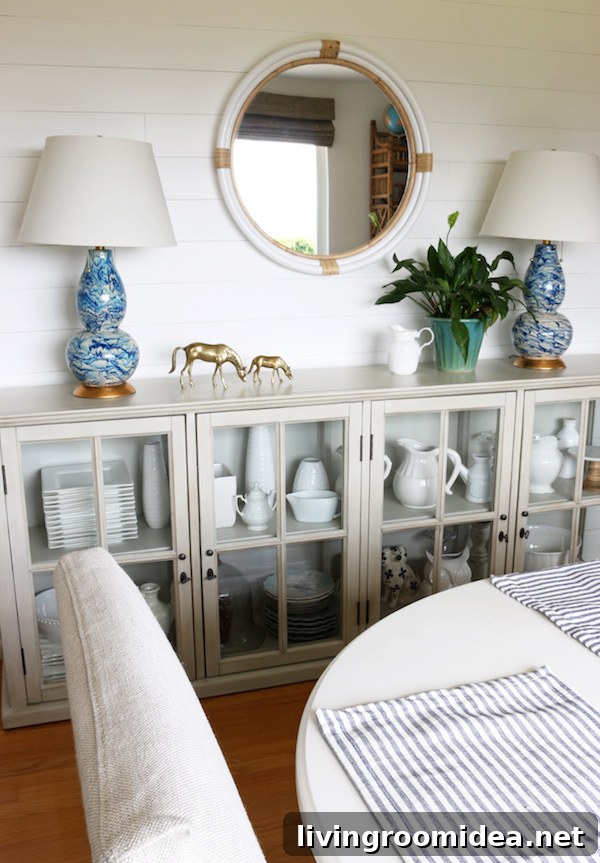
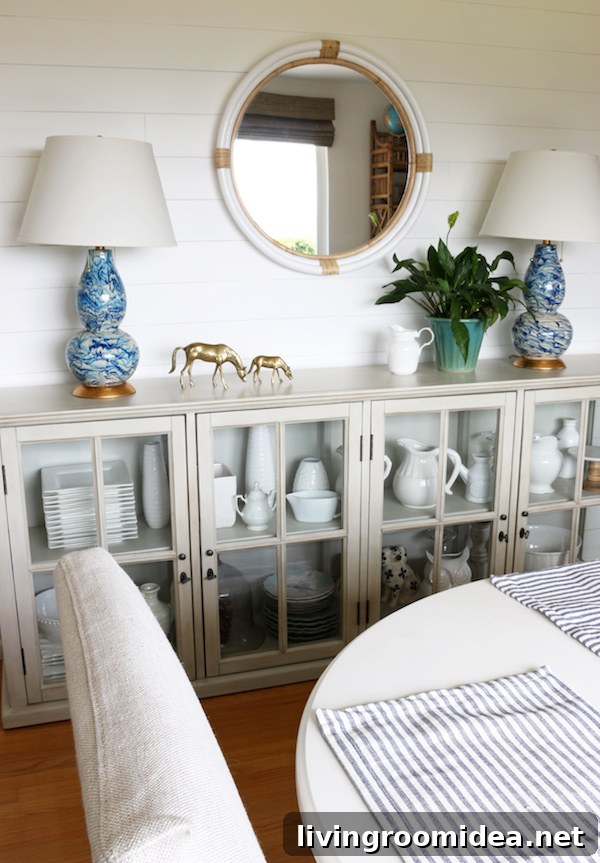
We’ve had a whirlwind of projects around the house this summer, and I’m loving how everything is coming together. With each update the space feels more like our home, but this time the change is especially meaningful thanks to a new planked wall in the dining room. That single change has added warmth, character, and personality to the main living areas.
I’ve always been drawn to planked walls—shiplap or painted paneling has been part of almost every house I’ve lived in, both as a child and as an adult. They bring a subtle architectural detail that instantly makes a room feel curated and cozy. After missing that look in our current place, we decided to reintroduce it here, starting with one wall where it would make the most impact.
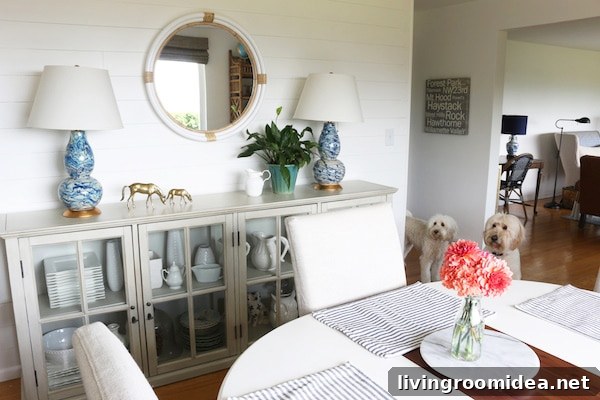
We began with the dining room because it’s a space we use every day and it felt like the best place to add visual interest. When our contractor came to paint, I realized instead of having him patch and fill the doorbell area, it would be much more charming to cover the imperfection with shiplap. That small decision quickly became the focal point of the room.
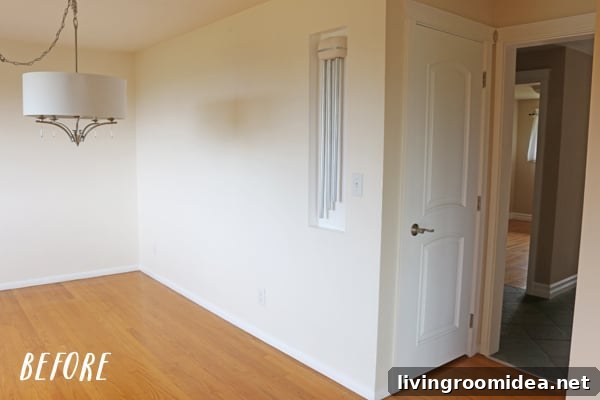 Remember what this area looked like before we moved in, above?
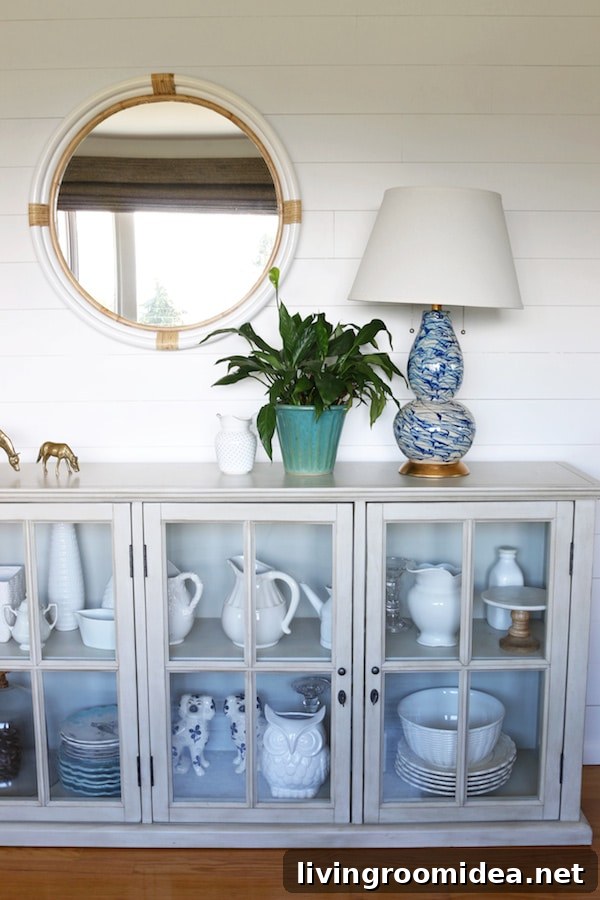
The new shiplap has completely changed the vibe of the dining room. Painted white, it creates a fresh, clean backdrop that complements the big windows and natural light. The neutral canvas also allows the warm textures and colorful accents we love to stand out. With a few other rooms in the house already painted in more saturated tones, the white shiplap gives a nice balance and flow through the home.
For this installation we chose a different approach than we used in our previous house. In our last home we added thick tongue-and-groove planks for a textured, crafted look. This house feels older and more traditional, so we wanted the wall to look gently imperfect, as if it had always been there. To achieve that, we used shorter and randomly varied planks without a groove and staggered them to create a more aged, authentic appearance. We also allowed some paint to seep slightly between the seams to enhance the “painted over time” effect.
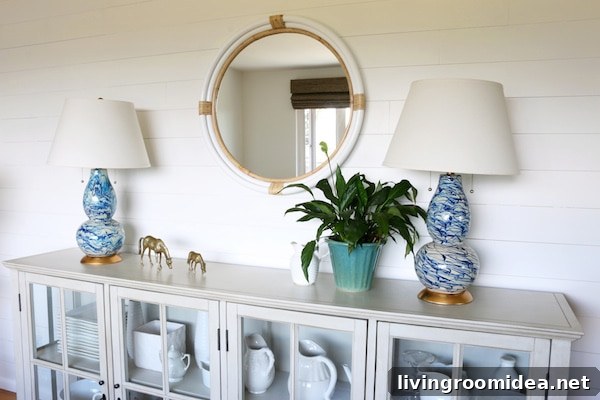
For the material we used baseboard trim molding from Home Depot, which made the project affordable and accessible. Our contractor installed the pieces with adhesive and a nail gun, which sped up the process and ensured a secure finish. The result feels natural and integrated with the room’s existing architecture.
The impact has been immediate — the dining room now reads as more purposeful and inviting. Adding the planked wall was a simple but effective way to introduce architectural interest without a major renovation. It’s been a great first step toward the larger vision I have for this home, which includes additional planking and eventually an archway to the kitchen to enhance flow and character.
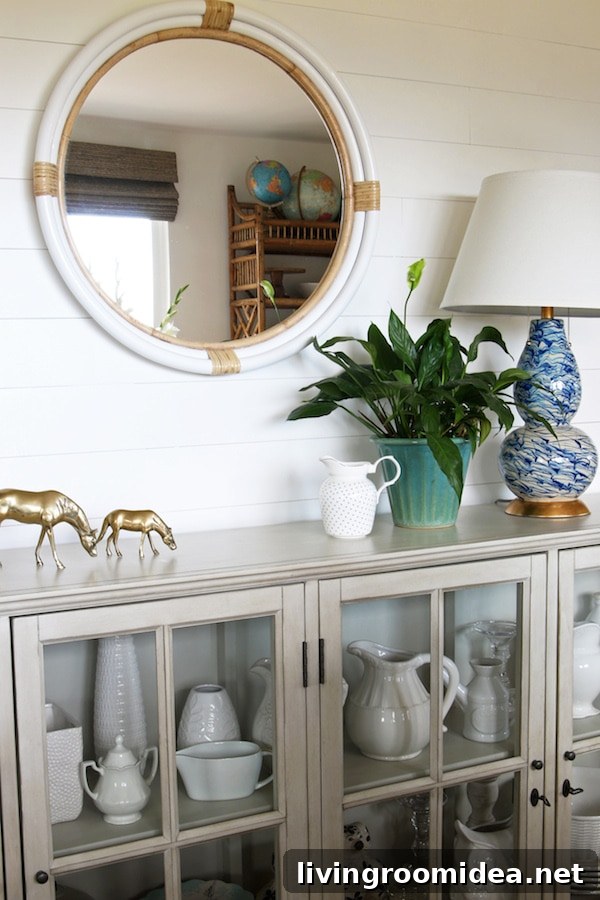
I’m excited to continue updating the dining room — we’re waiting on a new statement light fixture and a few finishing touches like window shades and the final chair placement. Those elements will build on the shiplap backdrop and complete the look. We’ve already installed new chairs and shades, so more photos and details will follow as we finish the space.
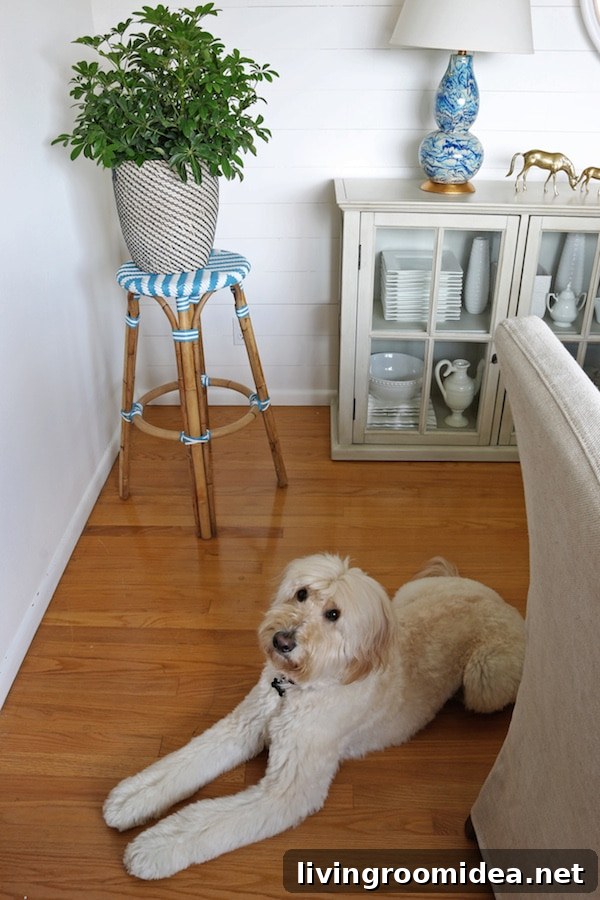
UPDATE: I’ve since written a follow-up post with practical tips about shiplap walls, including what materials to use and answers to frequently asked questions. If you’re considering a similar project, that follow-up covers tools, installation methods, and finishes that help achieve different looks from pristine to aged.
Room sources
Lamps
Bamboo shades
Mirror
Glass cabinet
Stool – HomeGoods
Rattan shelf – thrifted
Brass horses – thrifted
Teal pot – Ross