
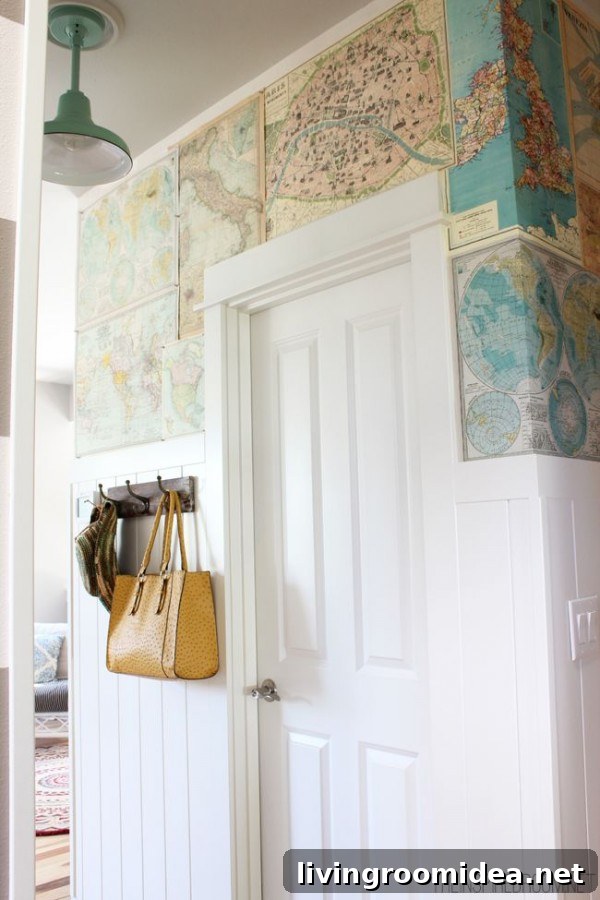
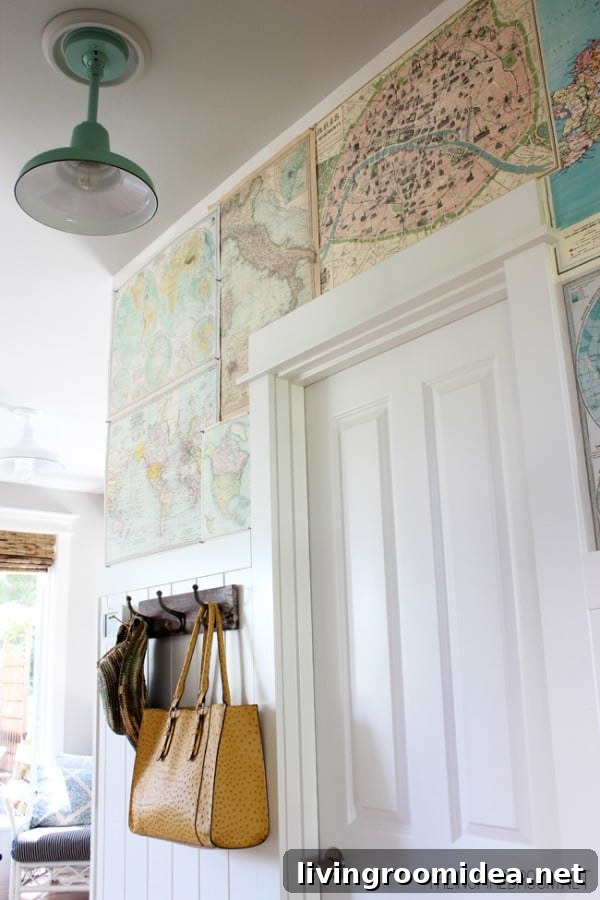
Does your home have a clear sense of visual flow? Earlier we discussed using paint to link rooms, but creating a cohesive, restful space includes more than color. To make a room feel calm and connected, simplify and pare down accessories so your eye has places to rest. Aim for balance: introduce visual interest with artwork and select accessories, but avoid filling every surface with competing vignettes that make the space feel busy.
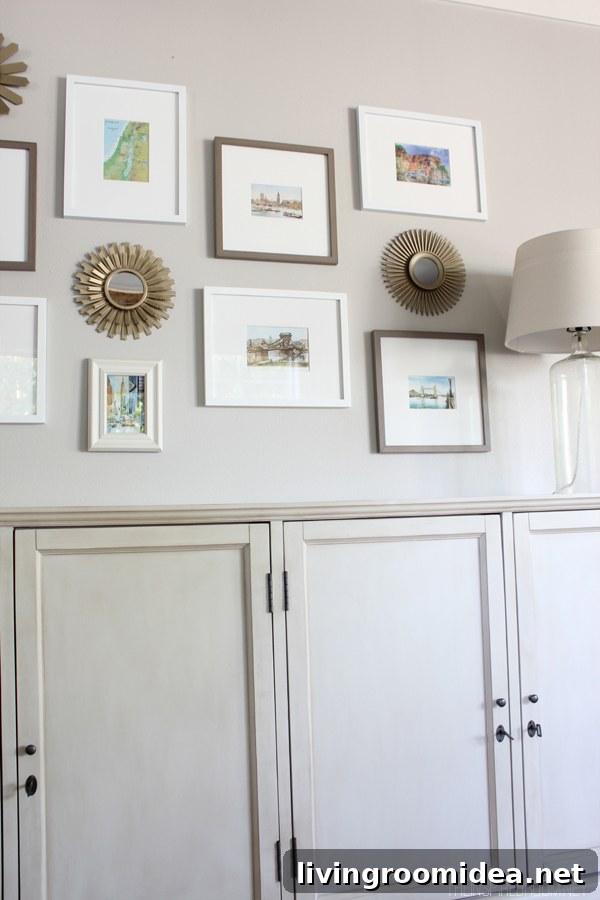
When I feel at peace in my home, I can step back and look across rooms and sense that everything works together. That doesn’t mean the space must be neutral or without personality. I enjoy pops of color, playful patterns and unique pieces in appropriate places. Some areas can be more expressive while others quietly support the overall atmosphere.
Entering a room where every surface and wall demands attention can be overwhelming; it’s hard to know where to focus. The effect is similar to walking into a lively party if you prefer quiet conversation.
Of course, what one person finds cluttered another may love. Personal taste matters: if your decor makes you happy, it’s right for your home. The goal is to make choices that feel intentional and true to you.
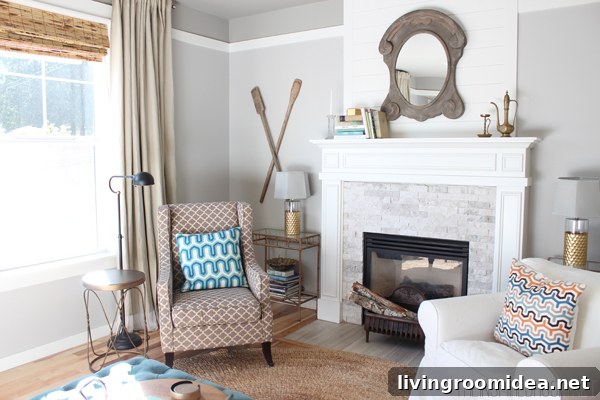
Creating a cohesive, intentional home takes time. Styling and arranging often require gradual adjustments to restore the right flow between rooms. Unlike quick makeover shows, a well-loved home evolves over months or years as you live in it and refine what works.
For me, decorating is an ongoing process to enjoy rather than a race to finish. Patience lets a space develop character and balance, and it gives you opportunities to test and tweak until everything feels harmonious.
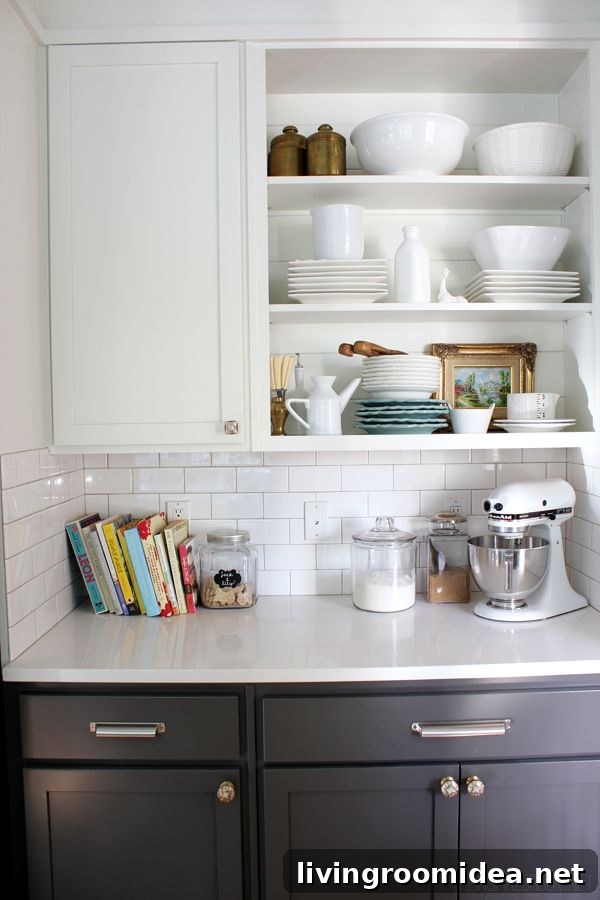
Do you enjoy the slow process of decorating over time?
Read the Creating Visual Flow post, part one!