
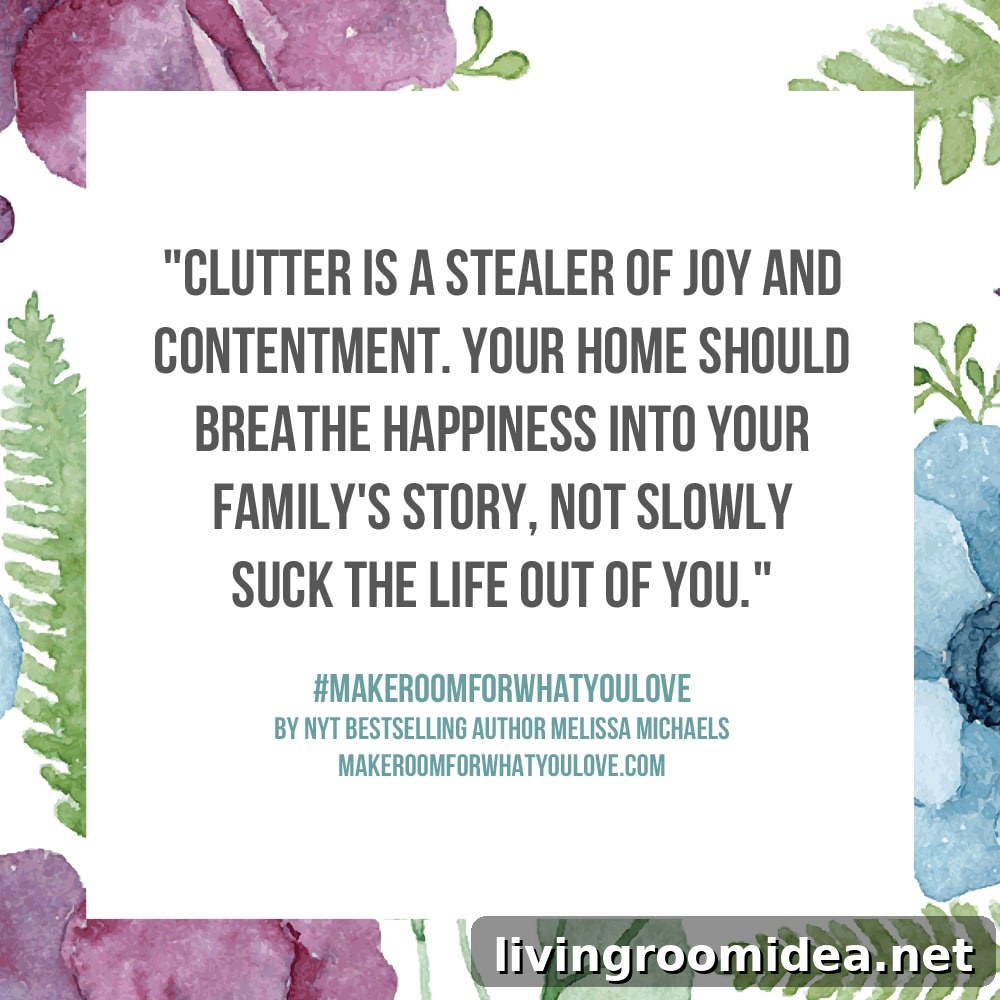
“Many of our decisions to add things we think we need in our home or will enjoy in life create extra clutter and stress. It has become second nature in our culture to believe a new purchase will improve our lives, when often it only makes them more complicated.”
–Make Room for What You Love, Melissa Michaels
Clutter has a way of draining our energy and peace. We buy items we don’t truly need, accumulate more belongings, and bring home extra furniture, toys, and clothes. Before long we wonder why we feel disorganized and overwhelmed.
When I noticed my own habit of inviting too many things into my life, I chose to change. I began paying closer attention to what I kept in my home so I could slow the pace and reduce chaos. By becoming more intentional about purchases and possessions, I started to pare down and simplify.
Ask yourself: what everyday actions add unnecessary complexity to my life? Which small decisions, if changed, would make daily routines easier or eliminate dreaded tasks?
Successful decluttering begins with clearer decision-making.
Here are five steps to start simplifying your life and home:
1. Avoid temptation
Limit trips to stores or places that prompt impulse purchases. Combine errands and consolidate shopping lists so you make fewer visits. Reducing the number of times you walk into shops naturally cuts down on impulse buys and the follow-up decisions those items require.
2. Simplify your daily options and choices.
If you’re busy or surrounded by clutter, too many choices are part of the problem. Reduce wardrobe overwhelm by focusing on a small set of outfits you love and accessorize to vary your look. Instead of multiple dinnerware sets, choose a neutral everyday set and add interest with seasonal plates or glassware. Favor versatile items with multiple uses over many single-purpose pieces.
3. Commit to making the simplest decision as often as possible.
Avoid rationalizing choices that create more work or storage demands. If you rarely use a gadget like a food processor, let it go. Don’t hold onto “maybe someday” items—borrow when needed or rely on neighbors and family. The initial discomfort of letting go fades quickly if the item wasn’t part of your routine.
4. Make a daily to-do list and set home goals.
Clarify what matters by listing daily tasks and broader home goals. A clear plan keeps you focused, reduces indecision, and helps you avoid acquiring things that distract from your priorities. Finishing purposeful tasks prevents clutter from accumulating as a side effect of an unfocused routine.
5. When in doubt, throw it out.
During large decluttering projects you won’t have time to analyze every item. If you’re unsure, decide no. Don’t dwell on who might want it or how much you paid—if it’s not serving you now, donate or discard it. Speed and consistency are essential when your aim is to clear space and simplify.
This article is adapted with permission from the book Make Room for What You Love (Harvest House Publishers 2016) by New York Times bestselling author Melissa Michaels. The book offers practical strategies and tips to simplify and create space in your life and home for what you truly love.
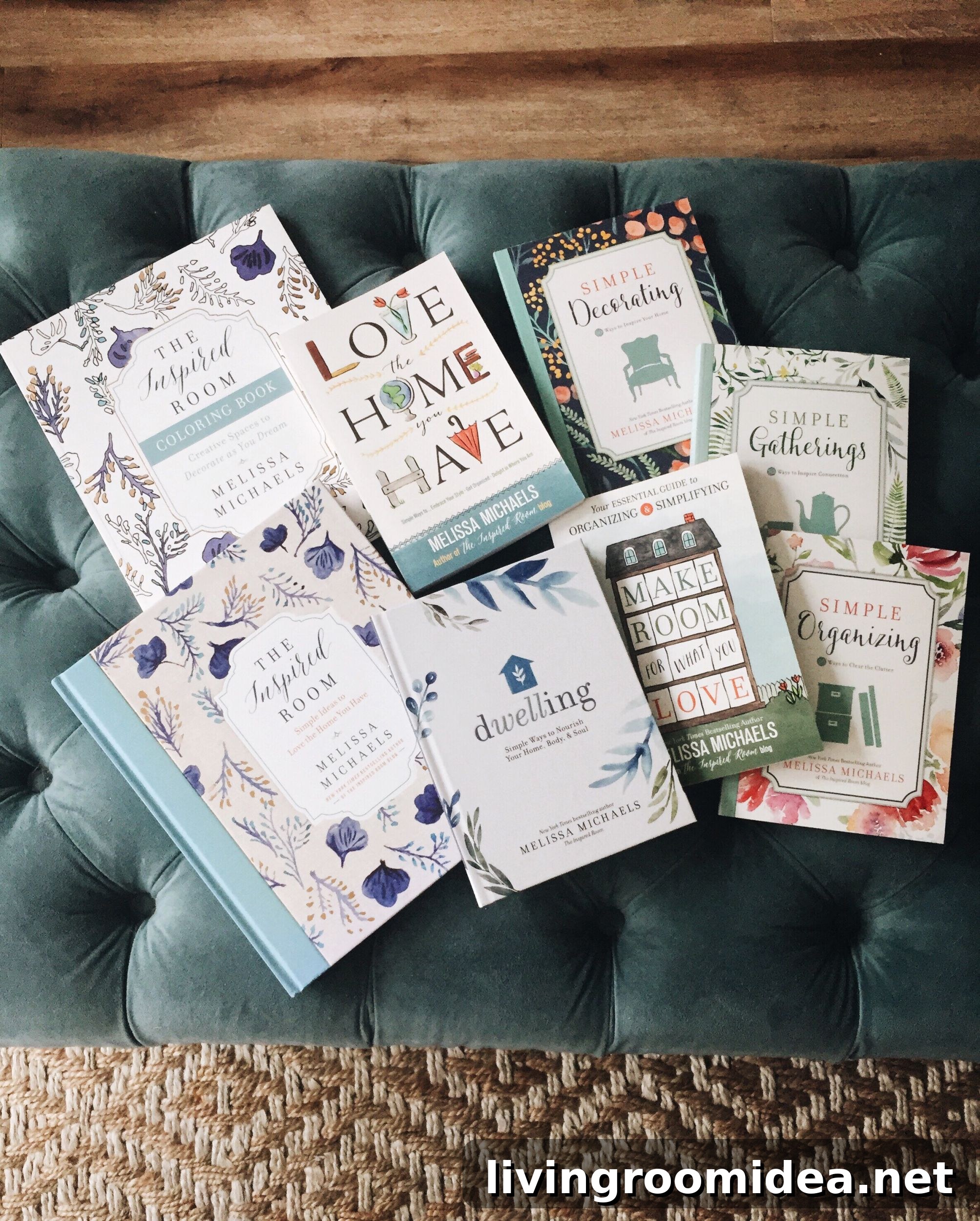
Find more decorating, homemaking, and organization inspiration in my bestselling books!