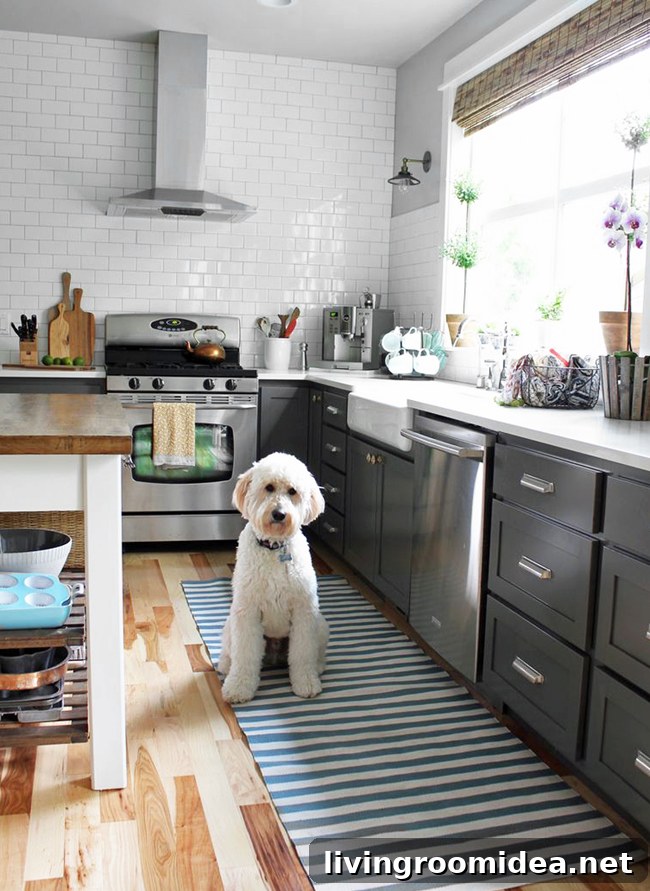

After my recent post about elements I love in a kitchen, many readers asked how to design a kitchen you’ll love forever when you’re on a tight budget and working with a problematic space. How do you turn great ideas into a practical, affordable plan when you can’t do everything you want right away?
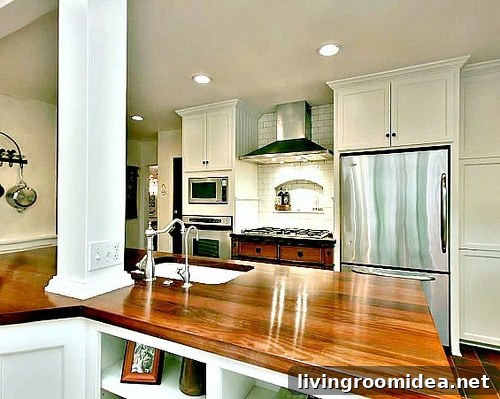
I’m sharing more tips based on my experience remodeling my previous kitchen. This wasn’t a high-end renovation; it was a budget-conscious remodel with lessons worth sharing. The result wasn’t perfect, but it was a big improvement and taught us a lot about practical, beautiful choices on a budget.
If you’re new here, details about my current kitchen remodel are in the reveal post. While styles differ between my two kitchens, you’ll notice recurring themes and ideas that appear in both.
Please forgive the older photos below; we no longer live in that house, and these are the images I have from that project.
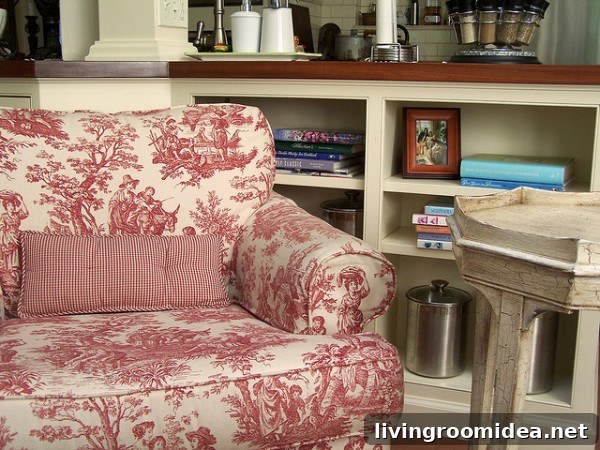
My last house was a true fixer-upper: lots of charm and a lot of work. With roughly 4,700 square feet to renovate, it took time before I could see past the mess to imagine the home’s potential. Potential can be expensive and time-consuming, so a careful plan is essential.
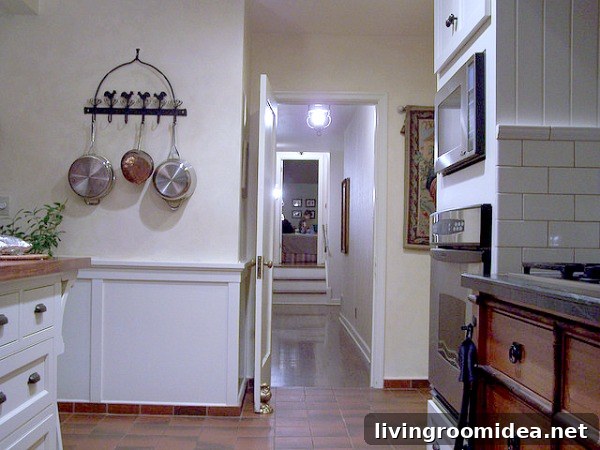
The kitchen had been redone in the 1980s but poorly maintained: appliances and tile were failing, the oven didn’t work, and the dishwasher smelled so bad we removed it and temporarily sealed the opening. We even cooked on an electric skillet in the basement bathroom for two years while planning the remodel. It was far from glamorous, but it forced us to prioritize and plan carefully.
7 Tips I Learned through the Kitchen Remodel
1. Take your time.
It’s tempting to gut a terrible kitchen immediately, but patience pays off when you’re on a budget. Set up a temporary kitchen elsewhere in the house—just a sink and an electric skillet can suffice—so you can live with the imperfections while making thoughtful decisions. Rushing often leads to costly mistakes.
2. Get lots of advice from skilled people.
Pinterest and blogs are great for inspiration, but practical decisions need input from experienced professionals who have been in your kitchen. We interviewed about ten contractors before moving forward. Most of our initial ideas changed after hearing professionals’ advice—good ideas must also be the right ideas for your space.
3. Keep existing plumbing, electrical layout, and cabinets if possible.
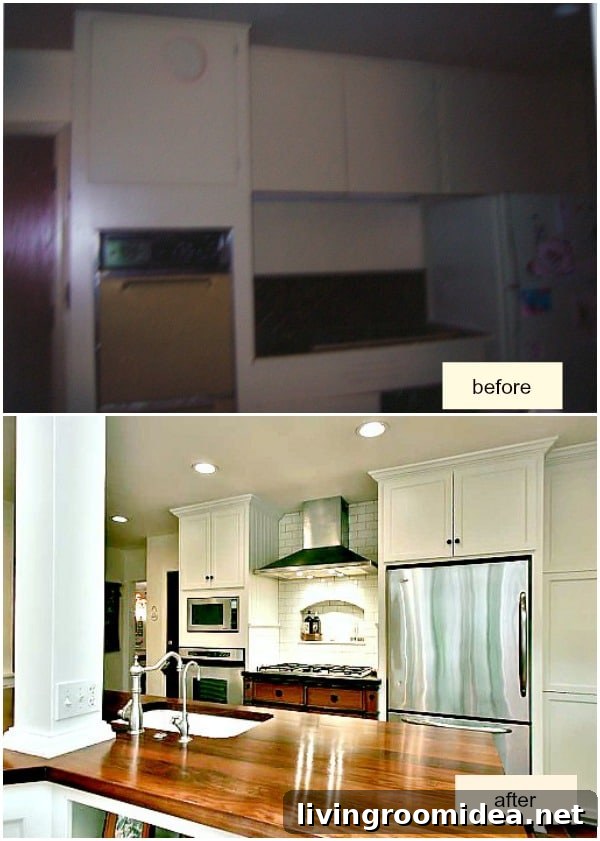
When you’re on a tight budget, retaining as much of the current layout and cabinetry as makes sense can save a lot. Many contractors suggested a full gut, which carried price tags of $60,000–$80,000. The right contractor, however, helped us achieve the look we wanted by working with the existing layout, ordering new doors and drawers for the original boxes, and postponing floor replacement to a later date.
Once we accepted what could stay, we focused our budget on the charming details that mattered most.
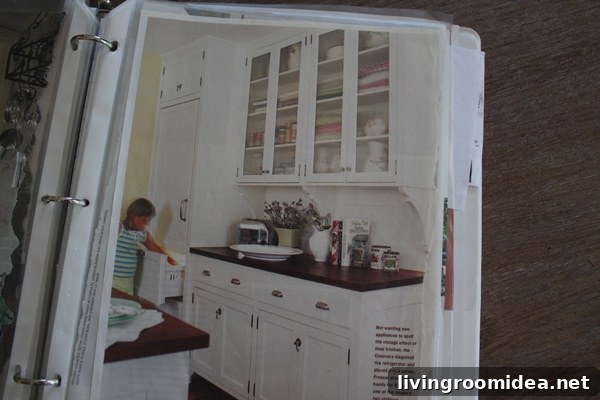
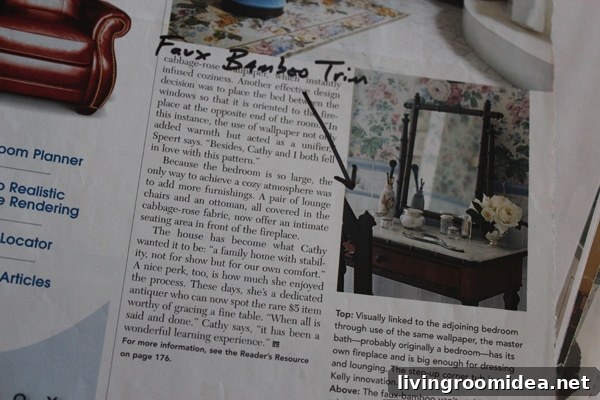
4. Search magazine photos for inspiration.
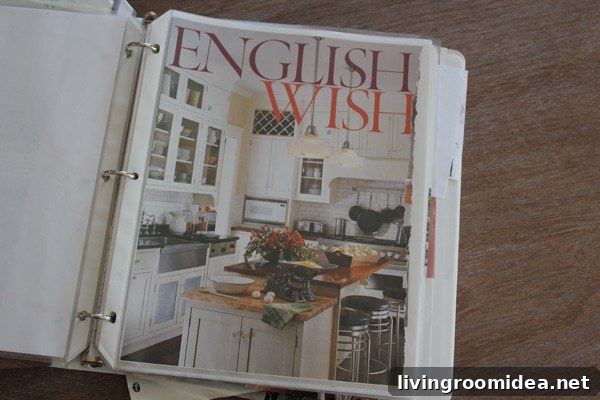
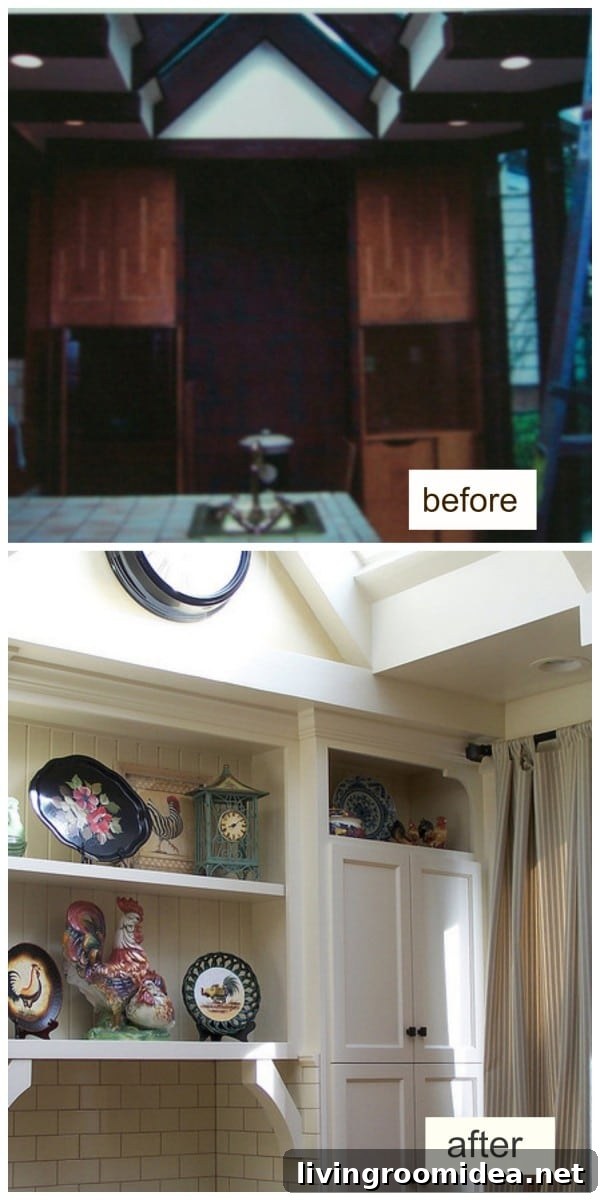
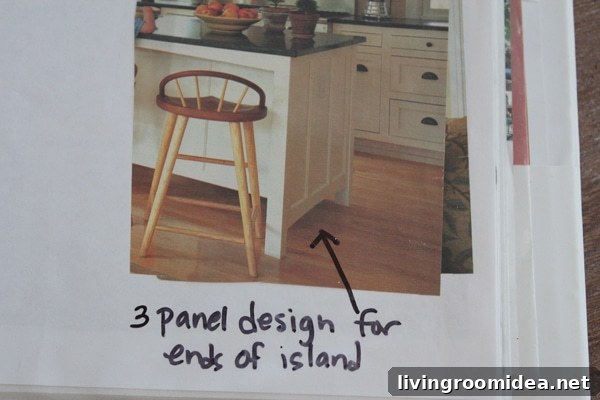
Before Pinterest dominated, I collected magazine clippings and kept a physical inspiration notebook. Tear out photos of specific elements you love—cabinets, brackets, molding—and use them to communicate with your contractor. We showed pictures of cabinet styles and brackets, and the contractor reproduced similar details that fit our budget.
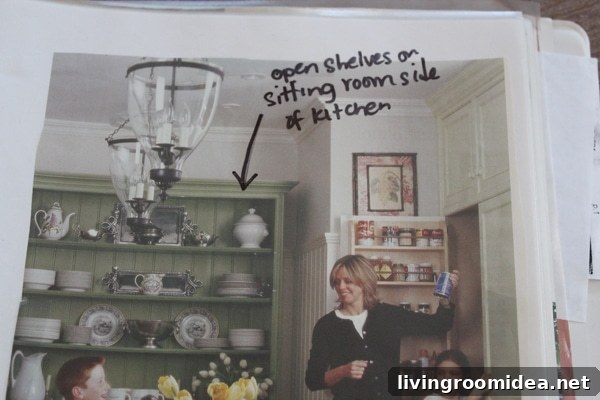
Above is an inspiration photo for the back of open shelving; below is how ours turned out.
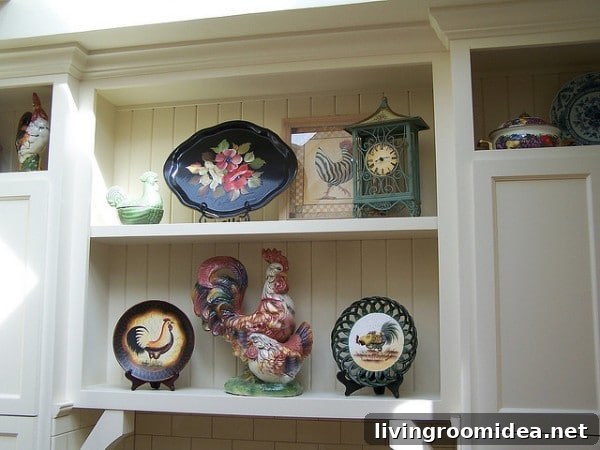
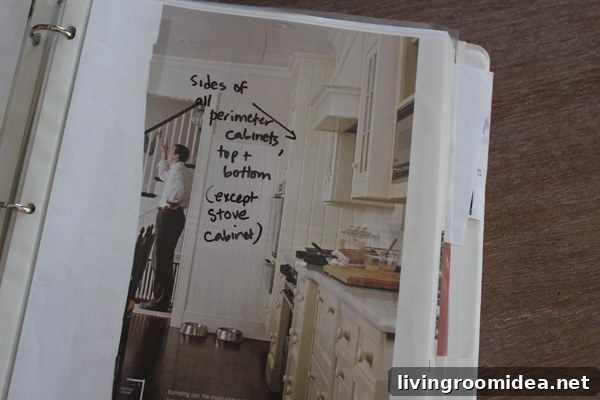
5. Create a project design notebook.
We organized a three-ring notebook specifically for the kitchen. Put photos, notes, and sketches in plastic sleeves. During the renovation we left the notebook on-site so the contractor could reference it whenever a question came up. Mark up photos to indicate where a detail should go; it reduced miscommunication and inspired cost-saving solutions.
For example, after seeing our photos the contractor suggested recessing the fridge slightly into the garage to achieve a built-in look without buying a counter-depth model—an affordable fix we wouldn’t have considered without the notebook.
6. Sketch elements you love.
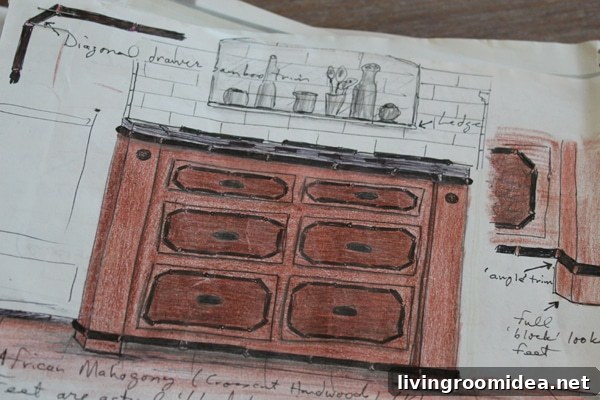
Sometimes a magazine photo won’t translate directly to your kitchen. Sketch how a detail could be adapted to your space and discuss it with your contractor. We designed a bamboo stove cabinet inspired by furniture details; our contractor executed it based on our drawings.
7. Be flexible.
Flexibility was essential to staying on budget. We postponed buying appliances and allowed the overall plan to guide those choices. Instead of a costly professional range, we chose a high-quality cooktop installed in a custom cabinet and saved on redesign costs by fitting a good oven and microwave into the existing cabinet openings. We also found a great scratch-and-dent refrigerator that met our needs for a fraction of the price.
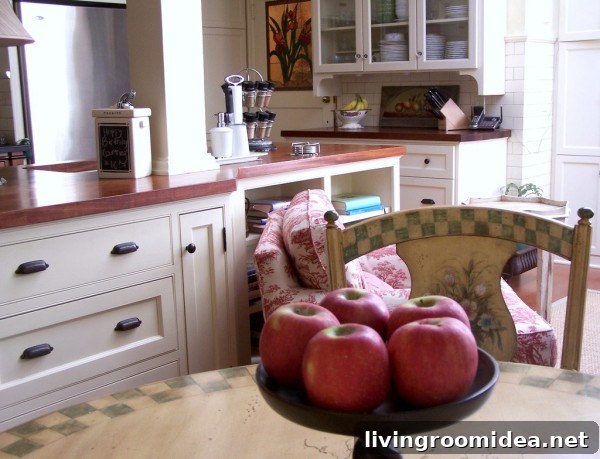
We used inspiration photos for details like glass-front upper cabinets with brackets, island paneling, crown molding, and inset sink cabinetry. Most of the original cabinet boxes remained; we updated doors, drawers, side panels, shelving, brackets, and bookcases to create a cohesive, furniture-like look with white cabinets and wood counters.
Keeping a well-organized project notebook, consulting experienced professionals, using magazine inspiration, drawing your own adaptations, and staying flexible helped us transform a tired kitchen into a charming, functional space without breaking the bank.
I’ll share more soon about the new kitchen remodel, including sketches, floor plans, and how everything came together.