HHello! Have you seen the HGTV 2015 Dream Home? I came across it recently and couldn’t stop studying the photos. There’s so much to admire and many design lessons we can adapt to our own homes. Most of us won’t recreate the house exactly, but we can borrow ideas, details, and the overall feeling to improve our spaces. Here are practical takeaways and inspiration points you can use, whether you own your home or rent.

1. Built-ins
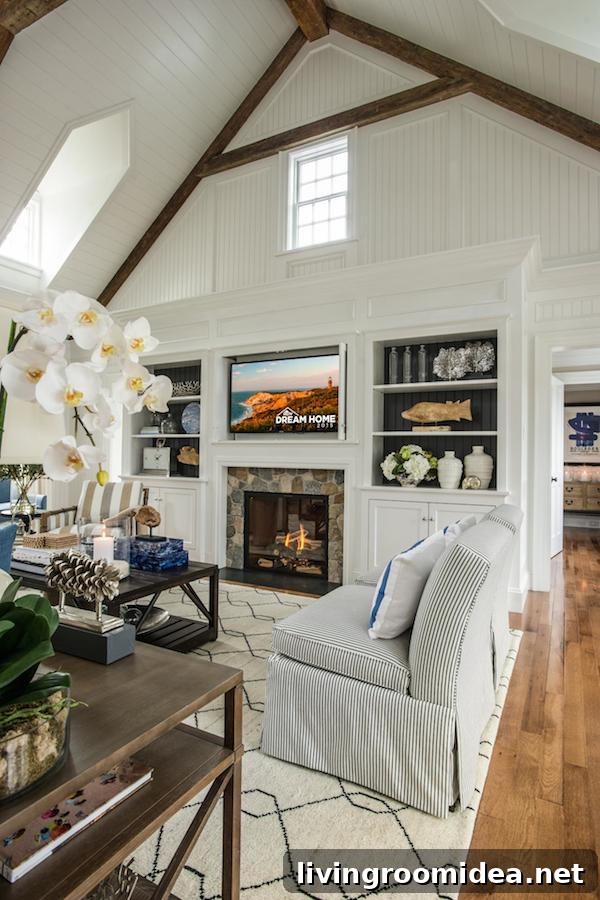
Built-ins add character and permanence. If you plan to stay in a home long-term they can be a great investment, but even renters or those who move often can mimic the look. Use freestanding furniture placed snugly against walls or paint the backs of bookcases in a darker color to create depth and drama like the Dream Home’s shelves.
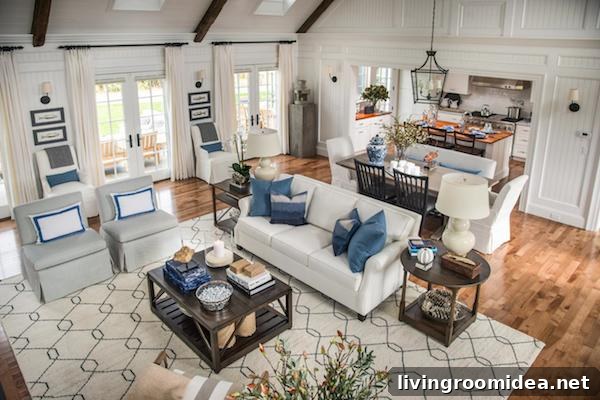
2. Divide large rooms into zones
Large, open rooms can feel awkward if treated as one big area. Break the space into zones for seating, dining, and conversation. Multiple seating areas make the room functional and inviting. Even in a single large room, rugs and furniture grouping help define each purpose.
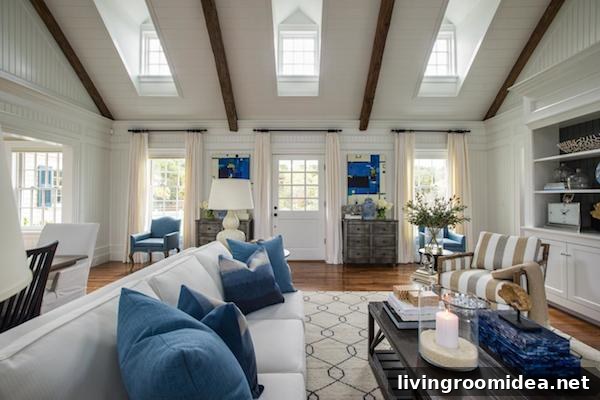
3. Repeat design elements
Repetition creates cohesion. In this home, blue fabrics and artwork, matching dressers, pairs of chairs, and repeated window treatments unify the space. Look for a few elements—color, shape, or material—to repeat throughout your rooms.
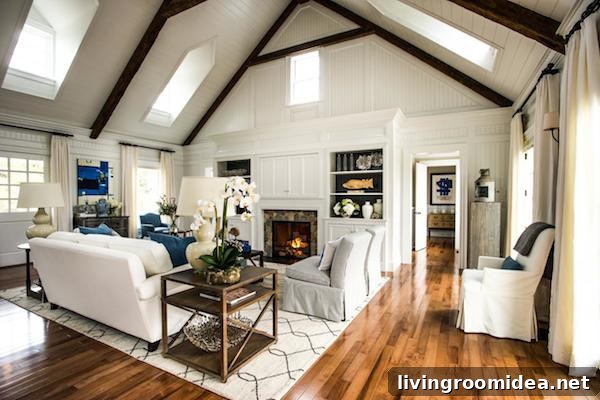
4. Choose classic pieces
Timeless furniture and fabrics keep a home feeling fresh over years. Invest in classic silhouettes and neutral bases, then update with accessories so your space can evolve without looking dated.
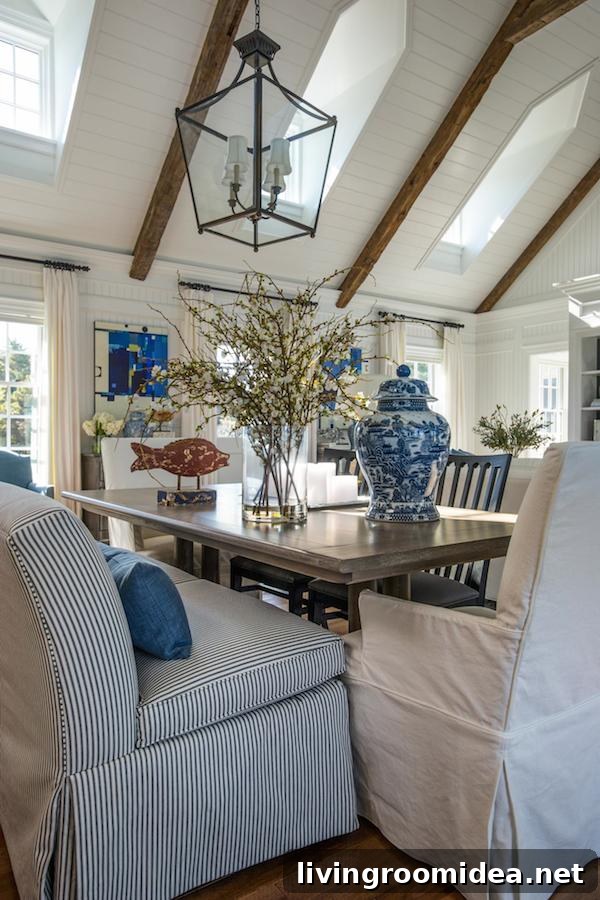
5. Statement lighting
Large rooms need lighting with presence. Choose fixtures that make a statement without overwhelming the room. The Dream Home’s lantern is substantial yet airy thanks to glass elements—perfect for balance in a big space.
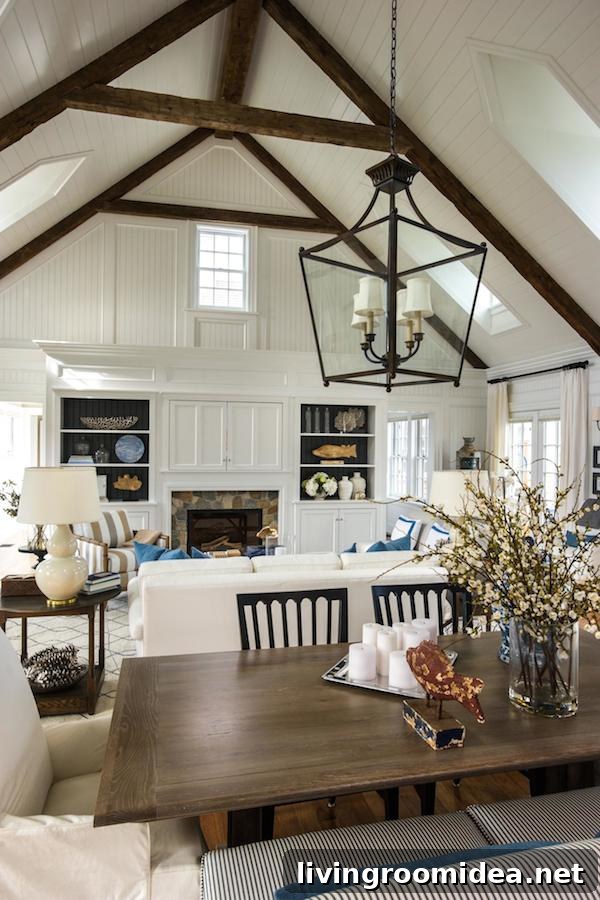
6. Add architectural detail
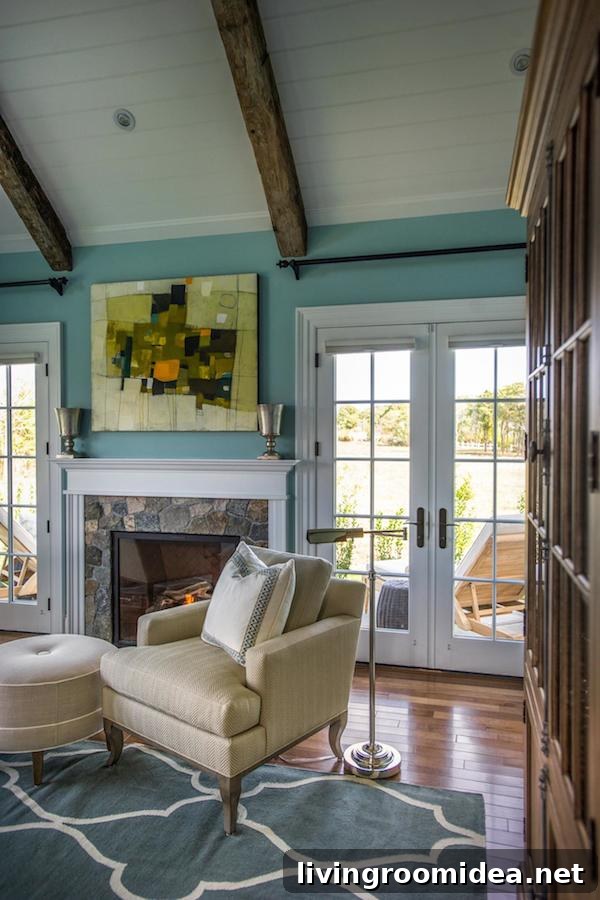
Small architectural touches change a room’s personality. Beadboard, crown molding, exposed beams, or trimmed windows add texture and interest. Renters can bring in molding, peel-and-stick trim, or freestanding columns to suggest permanent detail.
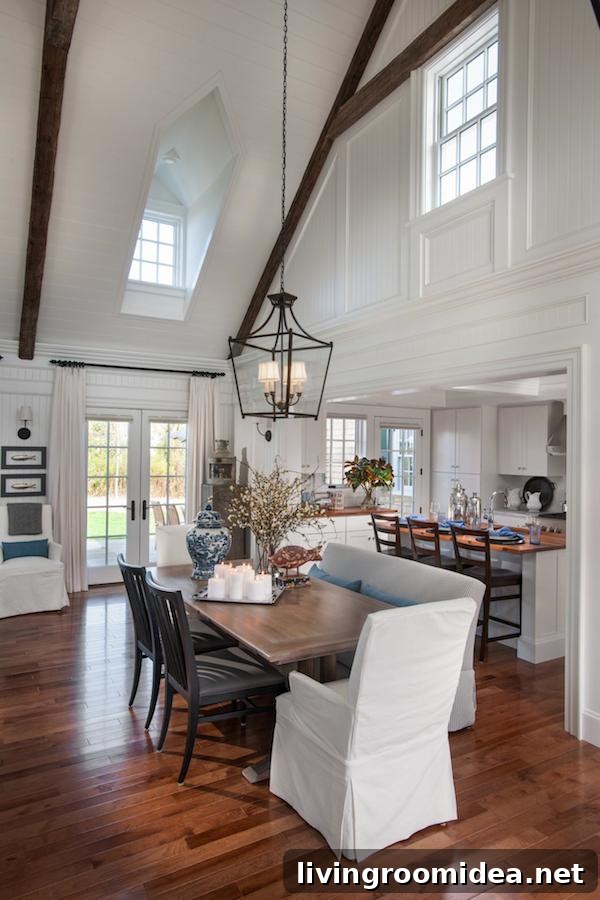
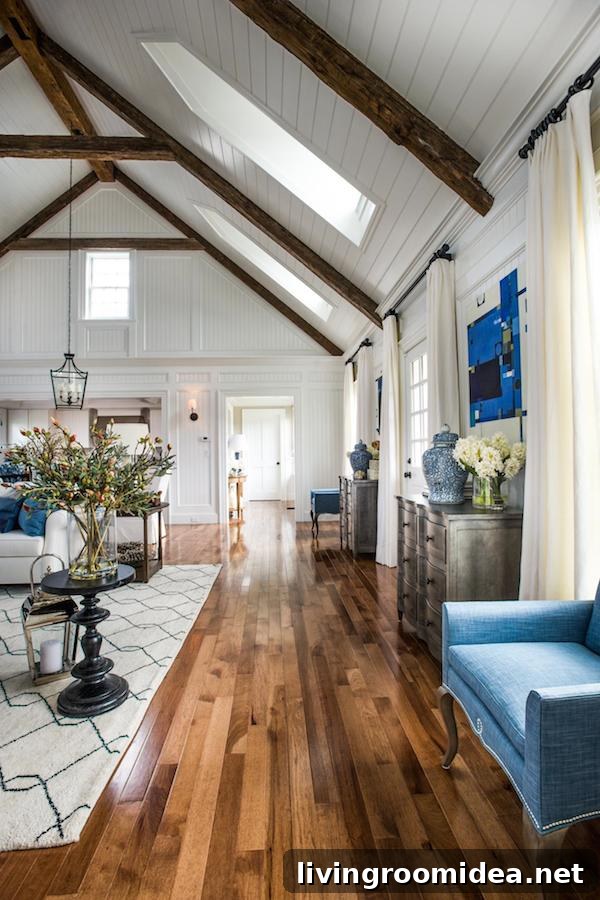
7. Warm wood accents
White spaces feel fresh, but warm wood grounds a room and adds coziness. Flooring, beams, or furniture in warm tones contrast beautifully with white walls and bring balance to an open plan.
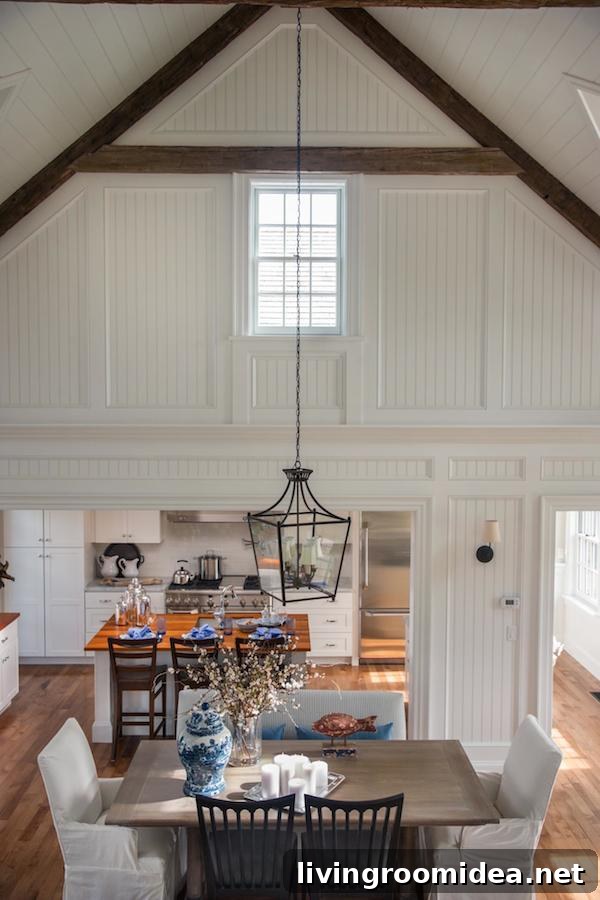
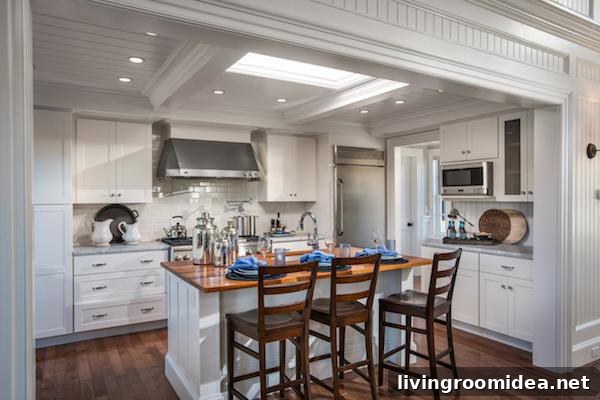
8. Keep the kitchen cozy
A kitchen that’s in proportion to its surroundings feels comfortable and efficient. A well-sized island and compact layout support multiple cooks without overwhelming the adjoining living areas, maintaining connection while preserving intimacy.
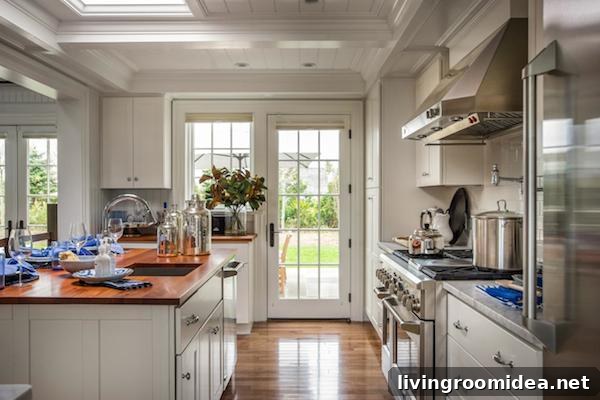
9. Maximize natural light
Windows and skylights transform rooms. If you’re remodeling, prioritize daylight. If not, use mirrors, light paint colors, and translucent window treatments to amplify existing light.
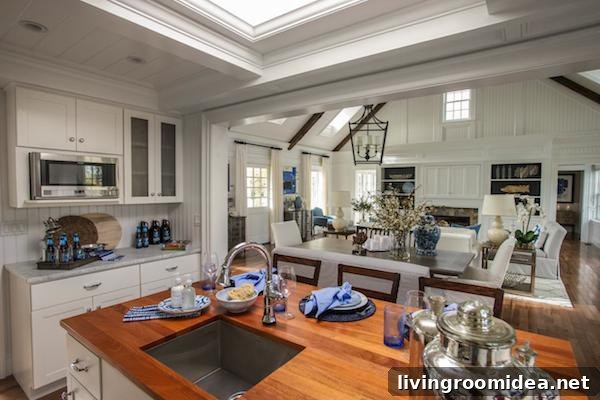
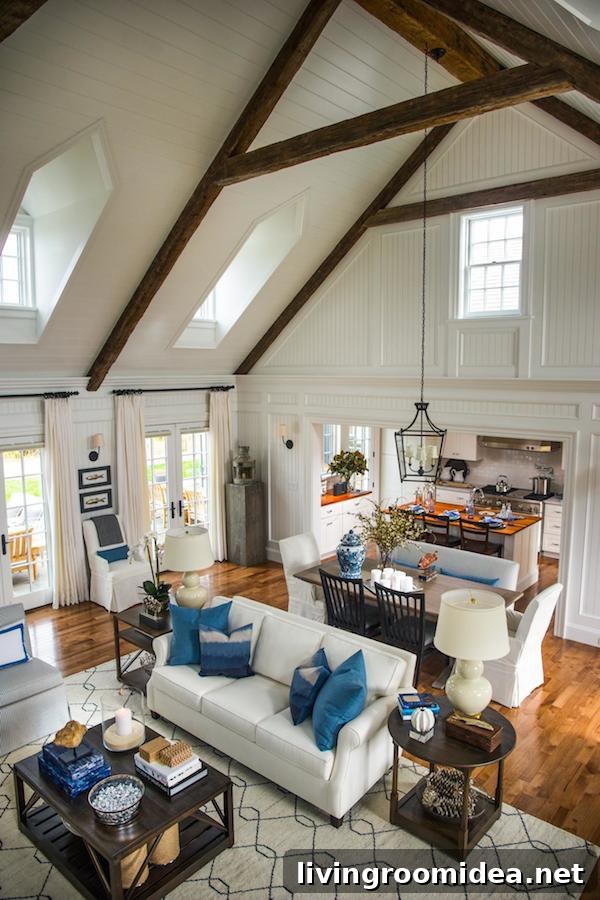
10. Use rugs to define areas
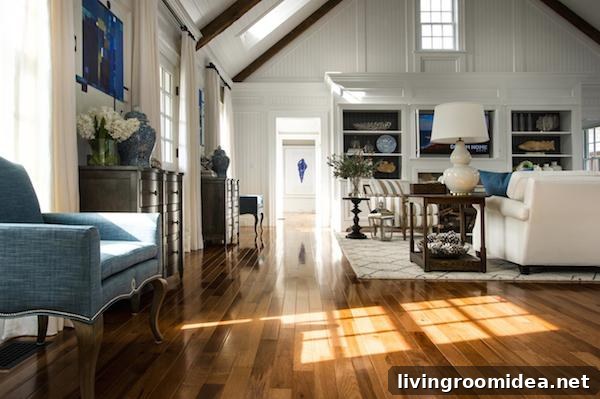
A large area rug anchors a seating group and makes a conversation area feel intentional and warm. Rugs add pattern, color, and comfort underfoot.
11. Create color flow
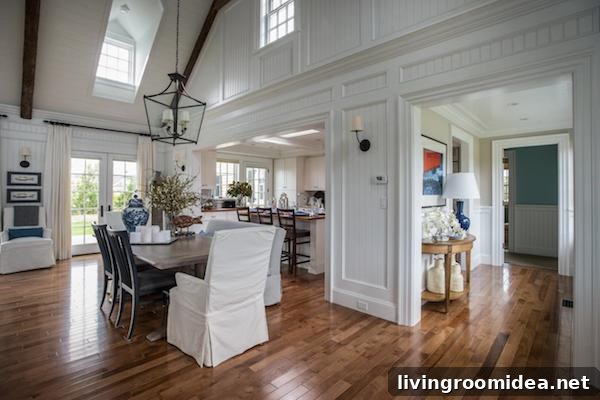
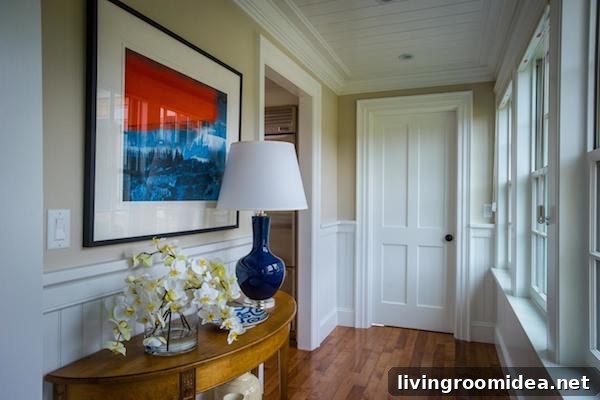
Carry color through adjoining rooms to guide the eye and create harmony. Small pops of a recurring hue invite you from one space to the next and make the home feel cohesive.
12. Layer shades of a color
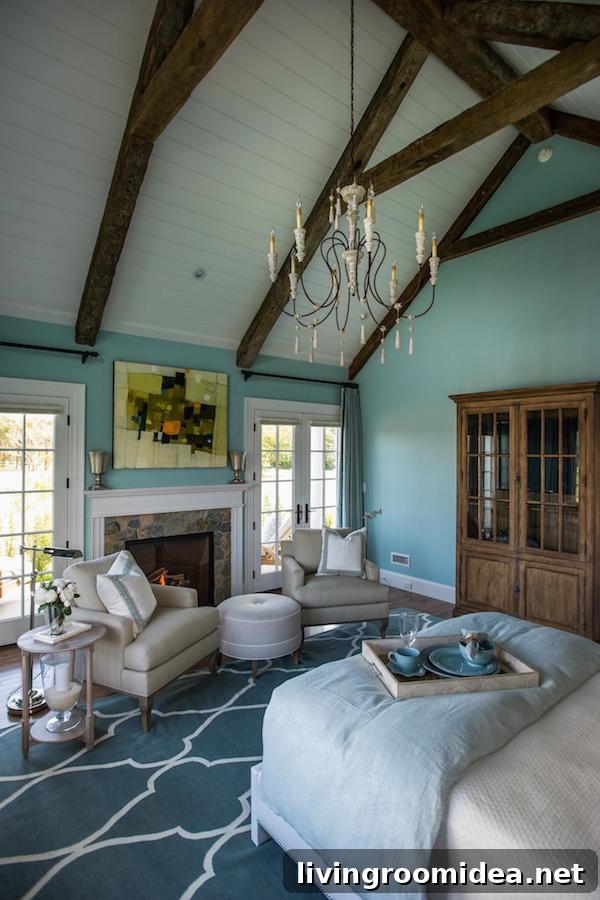
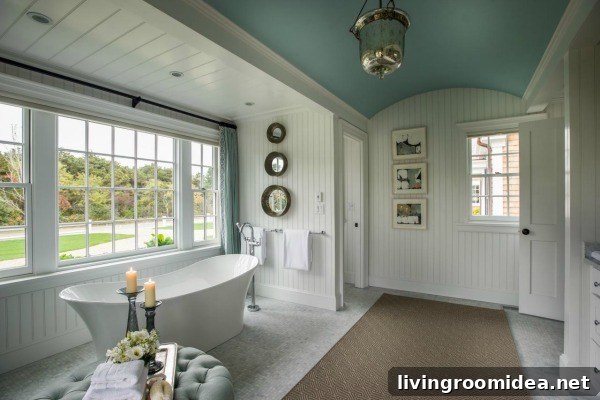
Using multiple shades of the same color—teal, navy, sky blue—adds richness and interest. Apply color selectively on ceilings, rugs, textiles, or accessories to achieve the look you love without overwhelming the space.
13. Frame outdoor views
Make the exterior part of your interior experience. Even modest yards can be dressed up so they’re pleasant to look at from inside. Well-placed plants, tidy landscaping, and outdoor seating create scenes that enhance interior spaces.
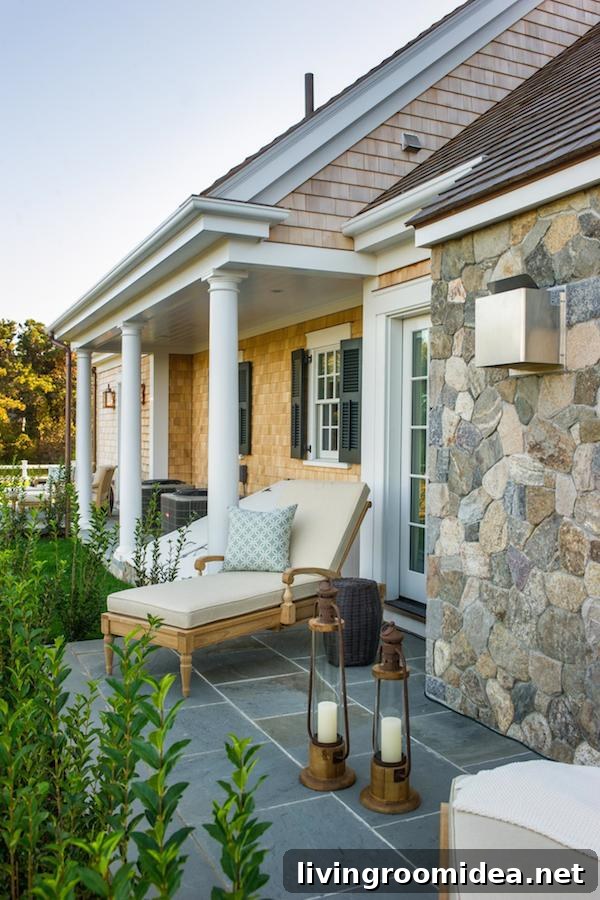
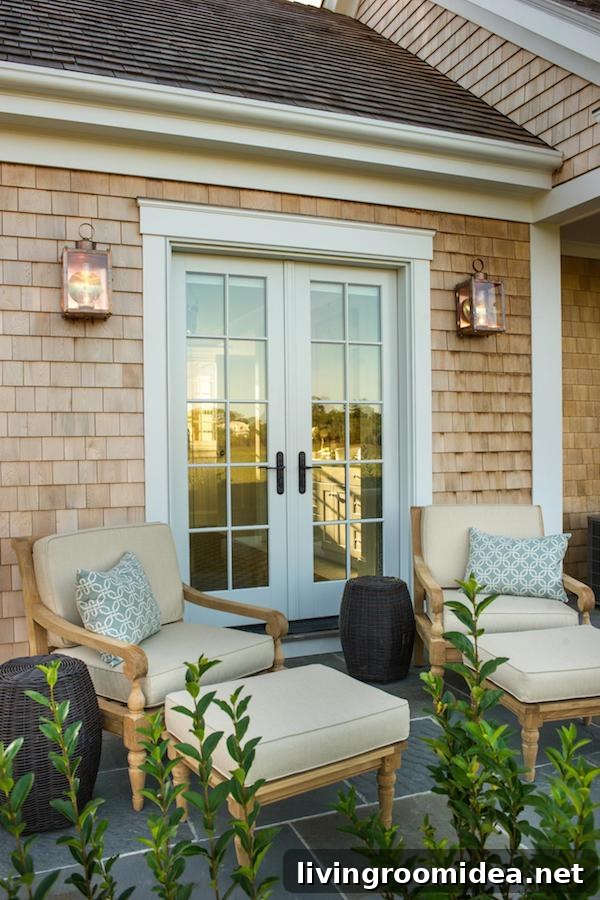
14. Make small outdoor rooms inviting
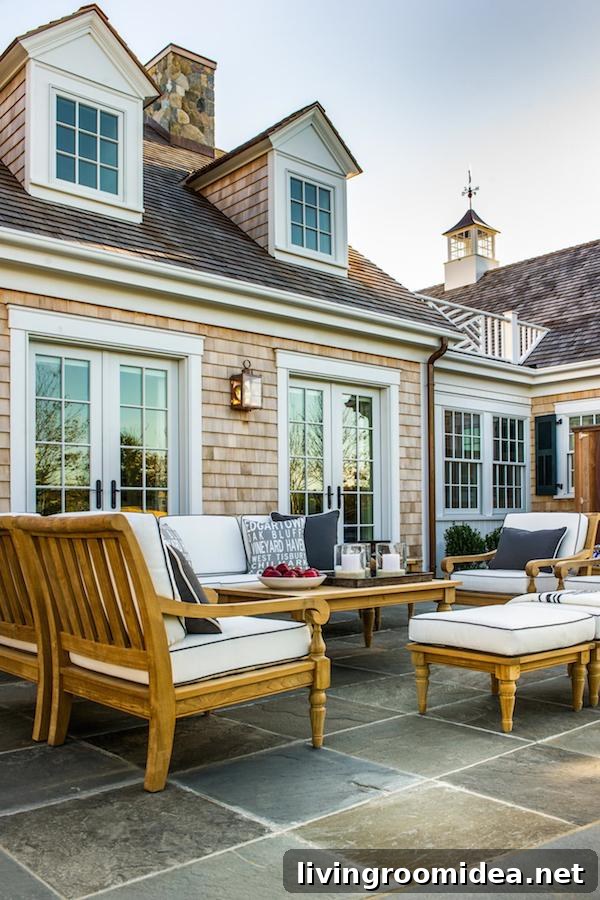
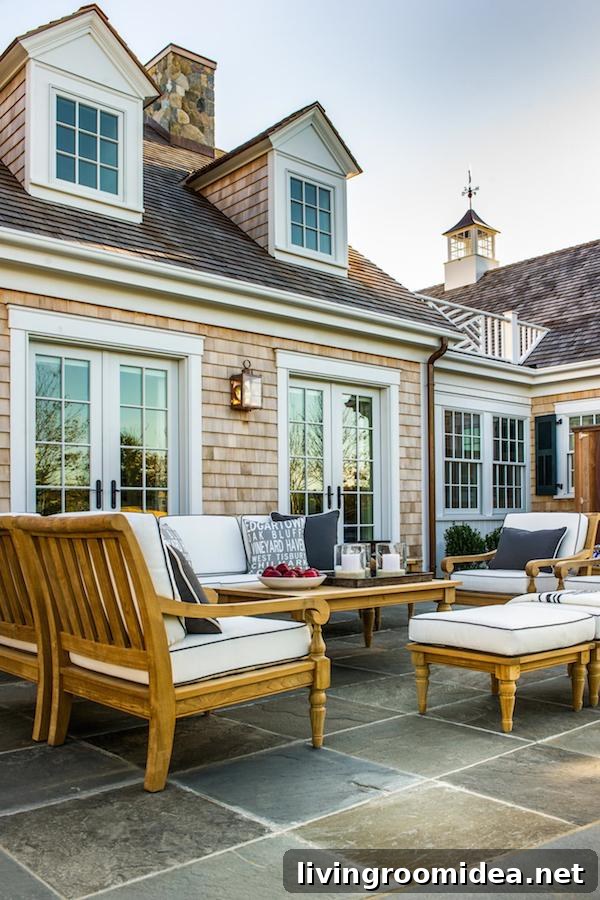
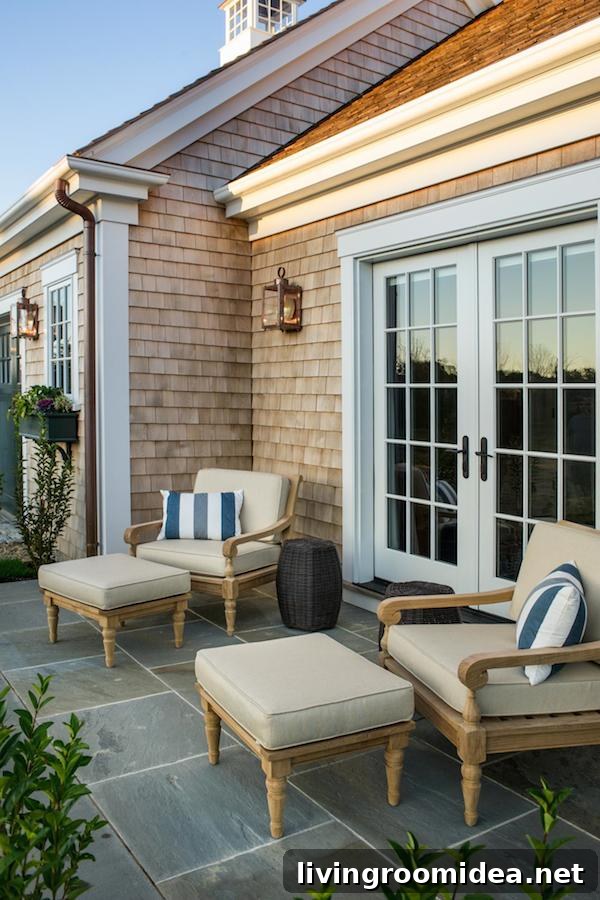
Even small patios benefit from the same attention you give interior rooms: comfortable seating, small tables, lanterns, and cushions turn an outdoor corner into a favorite spot.
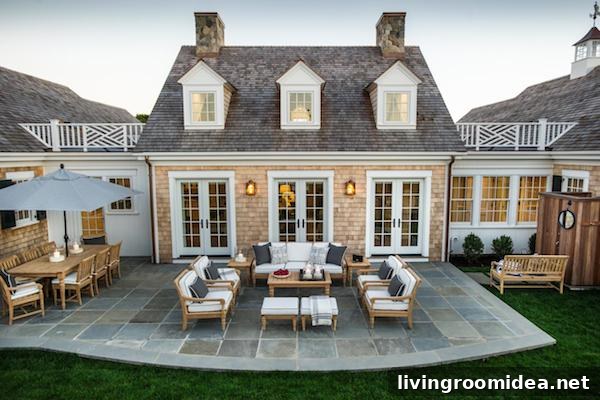
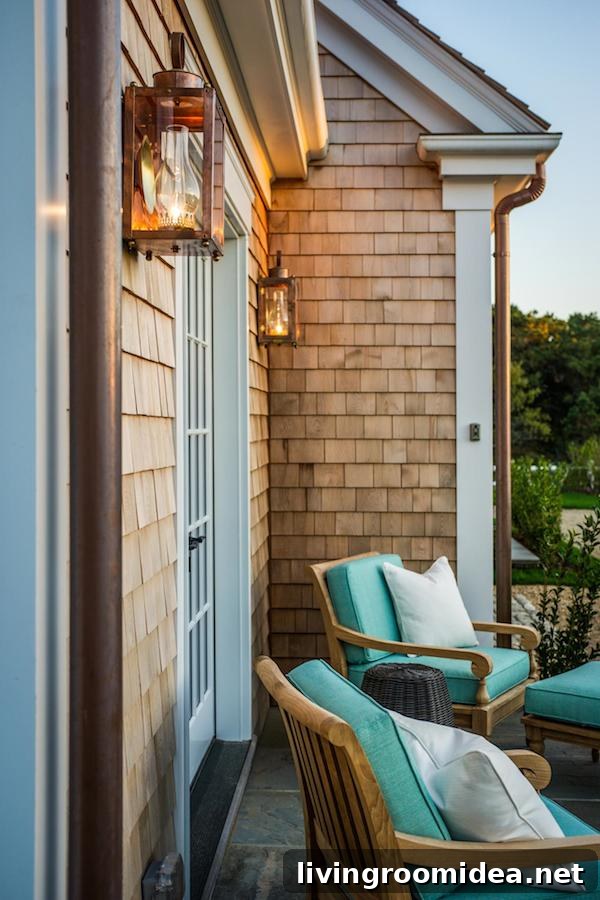
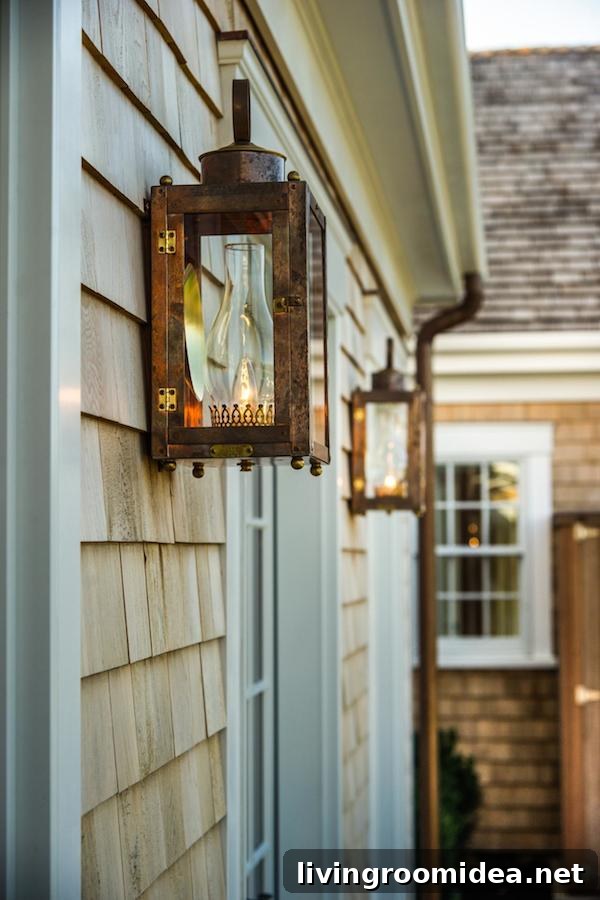
15. Choose unique outdoor lighting
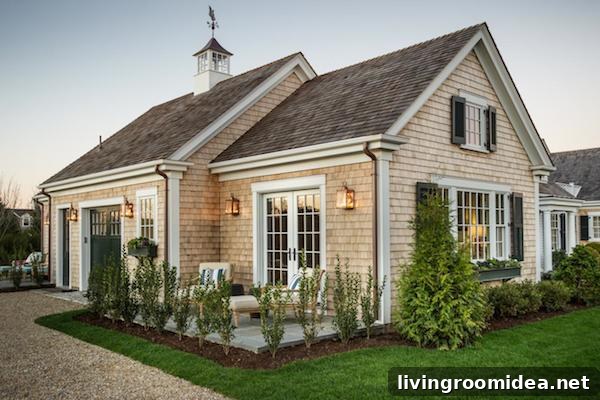
Outdoor lanterns and fixtures add personality. Look for vintage pieces you can refurbish or install fixtures with warm metal tones to elevate your home’s exterior.
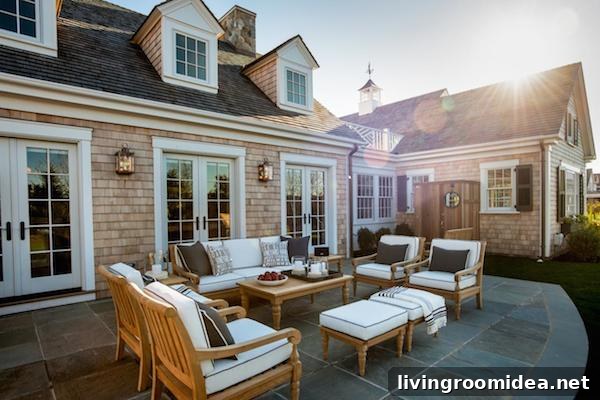
16. Add playful surprises
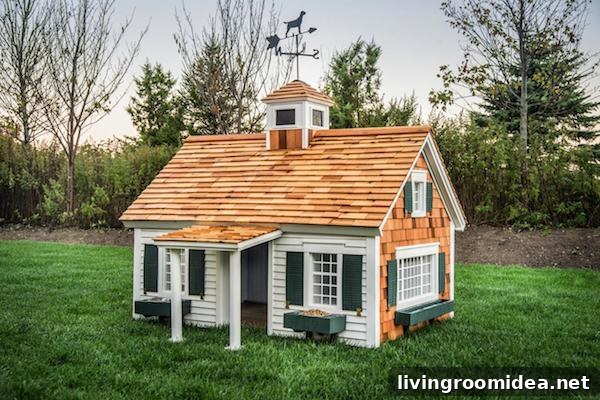
Small, unexpected features—an outdoor shower, a charming dog house, or a whimsical shed—make a property memorable and fun. Even modest yards can host delightful details.
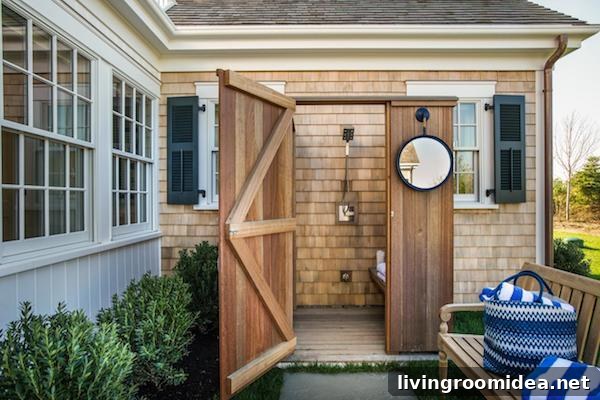
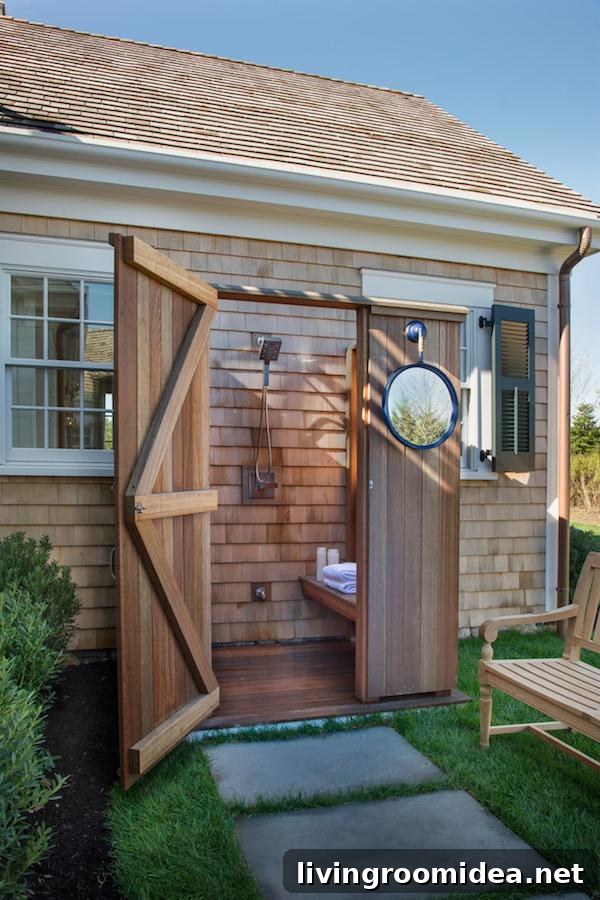
17. Boost curb appeal
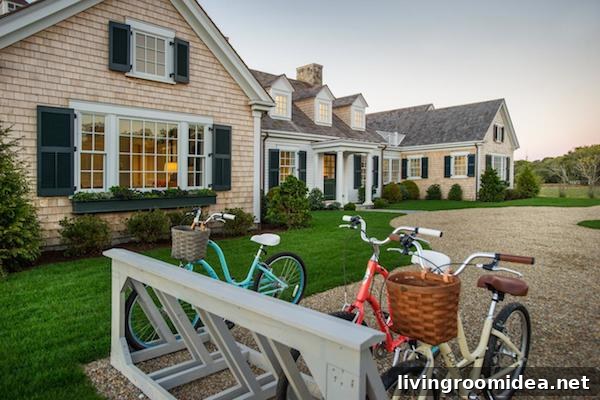
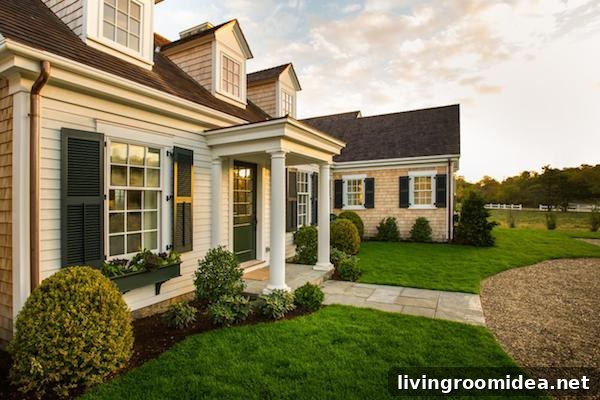
Curb appeal doesn’t require a huge budget. Tidy landscaping, window boxes, shutters, and thoughtful details like a bike rack or a welcoming front entrance make a strong first impression and increase enjoyment of your home.
That covers the main takeaways I noticed—there are many more subtle moments of design throughout the Dream Home that are worth studying. Which ideas would you add to this list? Which spaces stood out to you?