
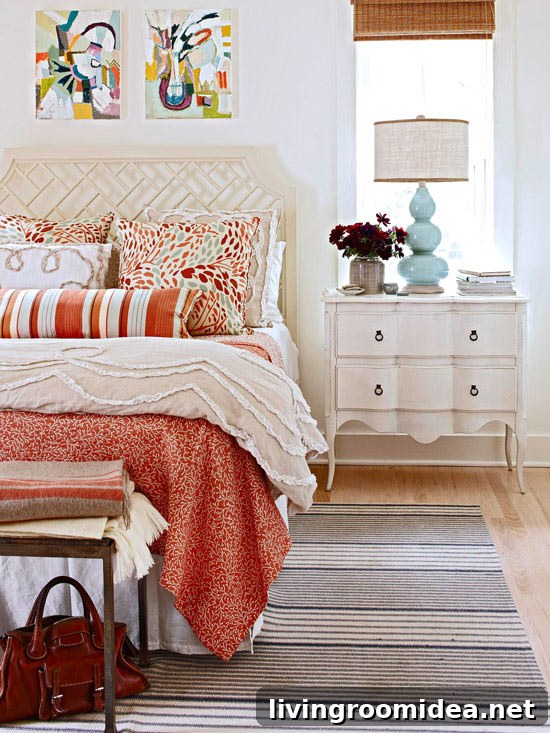
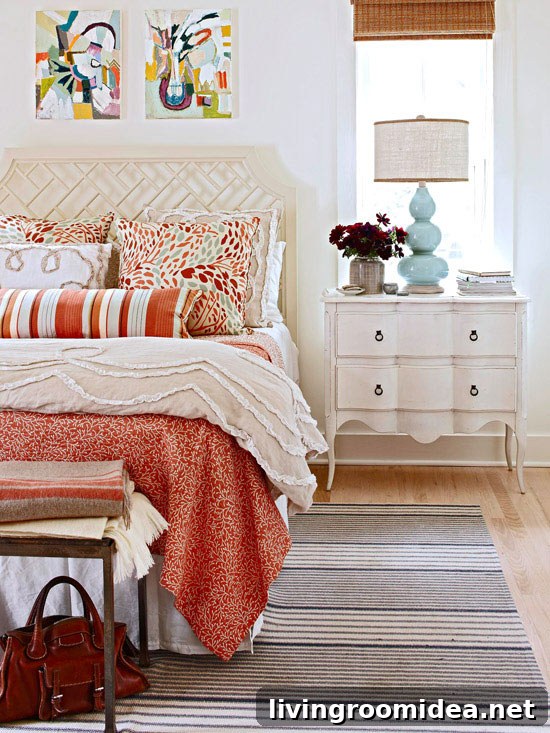
Colorful bedroom via BHG
Do you enjoy layered patterns in a room? When mixed thoughtfully, patterns bring warmth and personality that solid colors alone often can’t achieve. Neutral rooms have their place, but color and pattern inject a creative energy that many of us crave. A home without pattern or color can feel flat—layering patterns makes a space feel lived-in and lively.
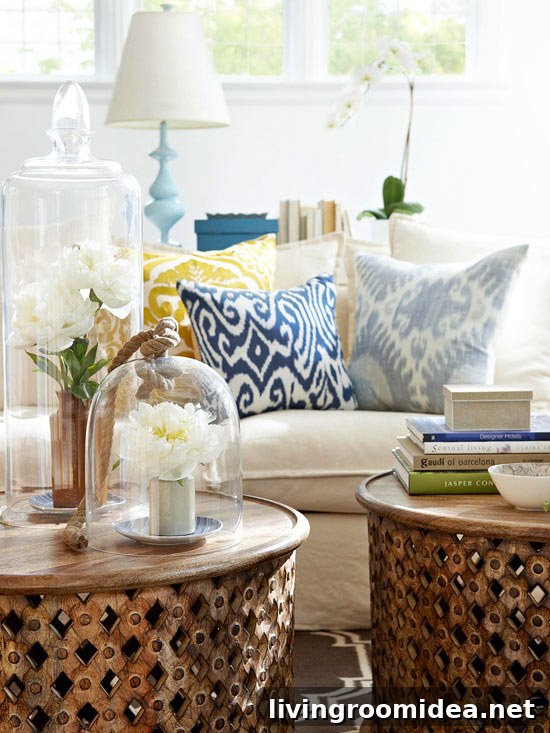
Mixed patterned pillows via BHG
Mixing patterns is an art and takes a bit of practice—unless you naturally have an eye for it. Designer Sarah Richardson describes a laissez-faire approach to patterns: she likes to jumble them and not overthink the result. Developing that eye comes from experimentation and a willingness to try combinations you might not initially consider. Over time you’ll learn what feels balanced and what feels overwhelming.
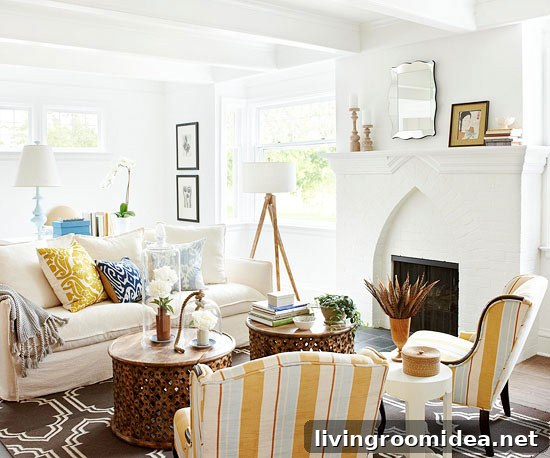
Decorating mixing patterns via BHG
A reliable starting point is a neutral foundation—solid white works well—then introduce one color repeated in two scales: one large-scale pattern and one small-scale pattern. This simple formula rarely fails. From there, you can gradually add more colors and scales for a more complex, layered look. For example, pairing stripes with a bold geometric can be striking and cohesive when the color palette unifies the patterns.
Some designers seem to toss everything together and call it fabulous, while others create a carefully curated mix that never feels chaotic. The difference is often in restraint and balance: a lively mix should still allow pieces to breathe so nothing competes too aggressively for attention. The goal is harmony rather than overwhelm.
There’s also a personal side to mixing patterns. I swing between more daring and more restrained choices—sometimes I want playful, bold color; other times I prefer tasteful calm. Both approaches can coexist in a home. Your style should reflect what you enjoy living with, even as you appreciate other aesthetics.
To visualize pattern combinations before committing, lay potential pieces out together—fabric swatches, pillows, or furniture—on the floor or a table. It may feel awkward to arrange items in a store, but seeing the grouping helps you gauge how they interact. The aim isn’t perfection or exact matching; it’s creating a pleasing relationship among pieces.
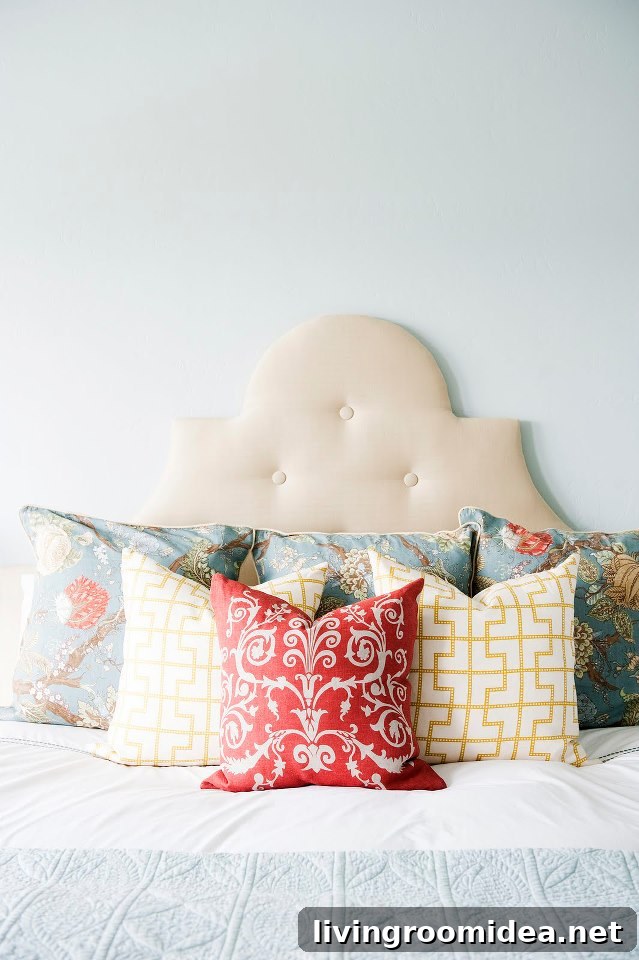
Bedroom via 6th Street Design School
If carrying fabric samples isn’t practical, photograph your rooms and key textiles with your phone. Keep close-ups of rugs, pillows, and upholstery so you can compare them with new finds before you buy. This simple step can prevent mismatches and impulse purchases that don’t quite fit the room.
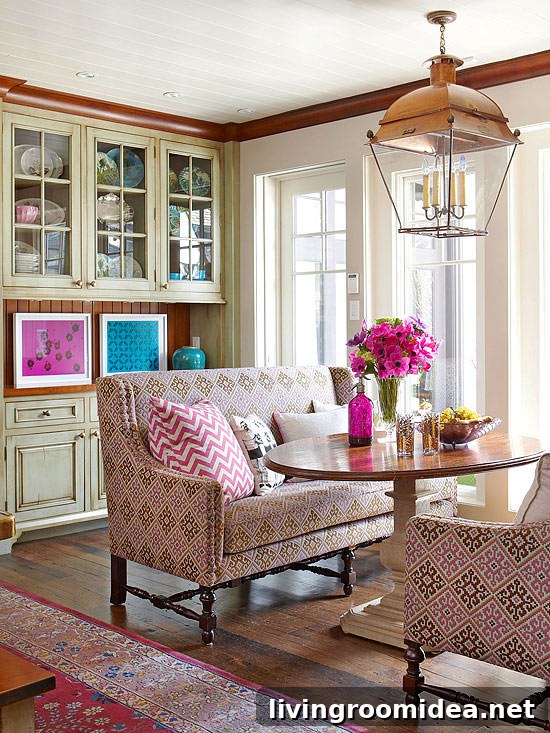
Mix and match patterns and colors via BHG
Mixing patterns is easier when starting fresh with items purchased to work together. The greater challenge—and the more rewarding result—comes from bringing together heirlooms and collected pieces over time. Combining a colorful Persian rug, vintage crocheted blankets, an antique sofa, and found throw pillows creates a unique, layered look that tells a story. That kind of soulful, curated mix takes patience and an eye for balance, but the outcome is often one-of-a-kind.
Ultimately, mixing patterns is about personal taste and experimentation. Try different scales, repeat colors across patterns, and give each element space to shine. With practice, you’ll develop a confident approach that lets you mix boldly yet harmoniously.
How do you feel about mixing patterns in decorating?
